Banana VS Tuna Poke
A detailed nutritional comparison
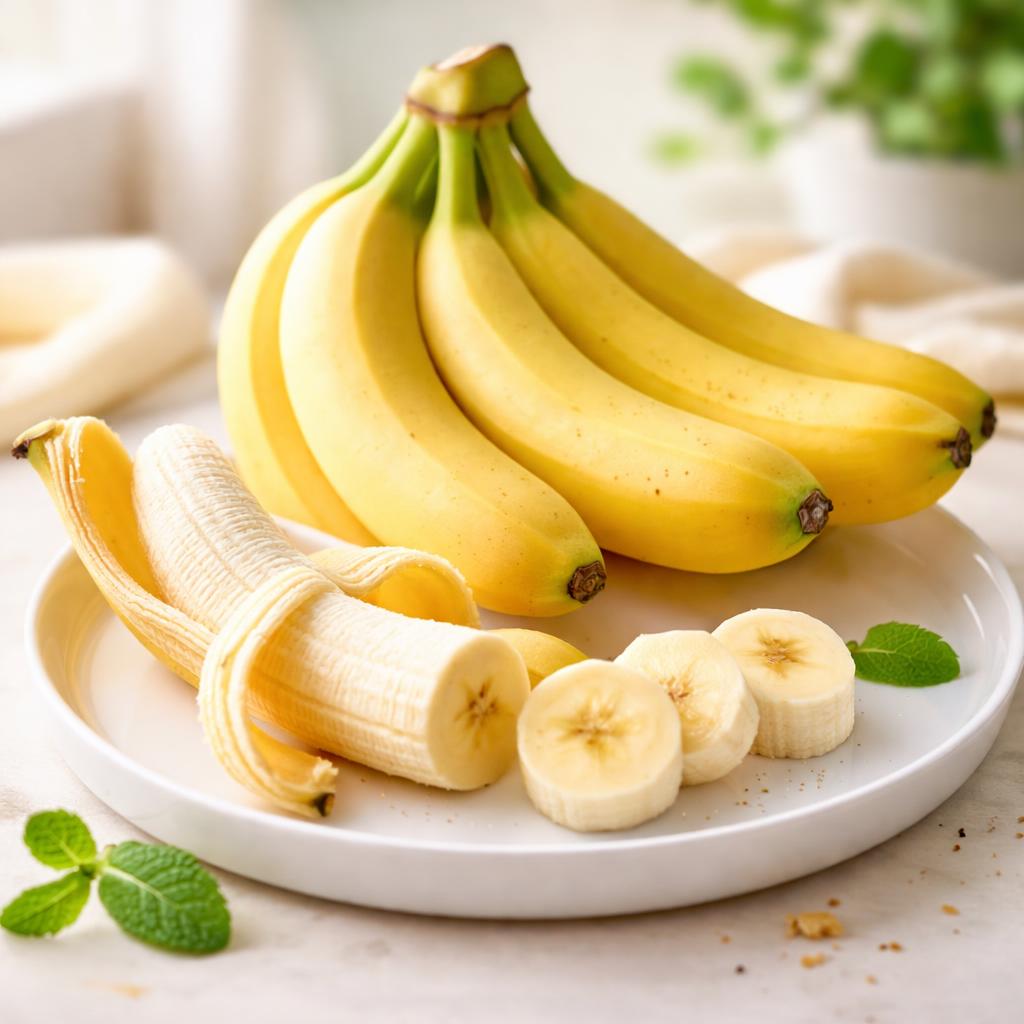
Banana
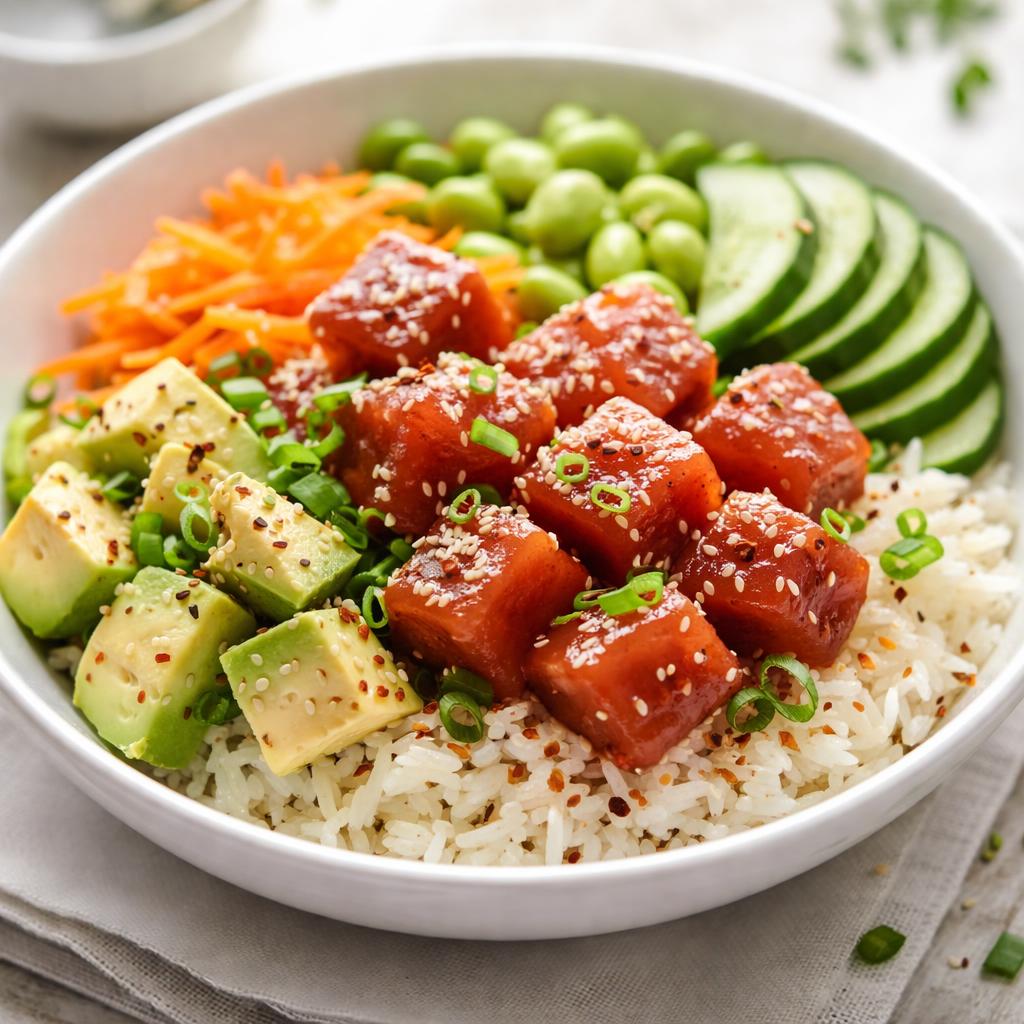
Tuna Poke
🎯 Quick Verdict
Banana and tuna poke are drastically different in nutritional profiles. Banana is high in fiber and carbohydrates, with a natural sweetness and lower calorie count. Tuna poke excels in protein and omega-3 fats, making it ideal for fitness and heart-health-focused diets. Both have unique health benefits and are suited for specific dietary purposes.

Smart Nutrition Tracking with SnapCalorie

📊 Nutritional Comparison
Macronutrients
| Nutrient | Food 1 | Food 2 | Winner |
|---|---|---|---|
| Calories | 105 | 200 | ✓ |
| Protein | 1.3g | 20g | ✓ |
| Carbs | 27g | 10g | ✓ |
| Fat | 0.3g | 8g | ✓ |
| Fiber | 3g | 0g | ✓ |
Vitamins & Minerals
| Nutrient | Food 1 | Food 2 | Winner |
|---|---|---|---|
| Vitamin C | 10.3mg | 0.4mg | ✓ |
| Vitamin B6 | 0.4mg | 0.2mg | ✓ |
| Potassium | 422mg | 250mg | ✓ |
| Omega-3s | 0g | 1g | ✓ |
🏆 Category Winners
Protein
Tuna poke provides significantly more protein with 20g per serving compared to banana's 1.3g.
Fiber
Banana has 3g of fiber, while tuna poke contains none.
Calories
Banana contains only 105 calories versus 200 calories in a typical serving of tuna poke.
Vitamins
Banana is richer in vitamin C, potassium, and vitamin B6, contributing to greater micronutrient density.
🥗 Diet Compatibility
Keto
Food 1: Not Compatible
Food 2: Compatible
Tuna poke is low-carb, fitting ketogenic macros while banana is high in carbohydrates.
Vegan
Food 1: Compatible
Food 2: Not Compatible
Banana is plant-based while tuna poke contains fish and is not vegan.
Gluten Free
Food 1: Compatible
Food 2: Compatible
Both are naturally gluten-free.
Paleo
Food 1: Compatible
Food 2: Compatible
Both foods meet paleo dietary guidelines as whole-food options.
Low-Carb
Food 1: Not Compatible
Food 2: Compatible
Tuna poke is low in carbohydrates (10g per serving), unlike banana, which contains 27g.
💪 Health Benefits Comparison
Food 1 Benefits
- Rich in potassium for heart and muscle function
- Containing vitamin C to boost the immune system
- Provides natural fiber for digestion and satiety
- Natural energy source due to carbohydrate content
Food 2 Benefits
- High-quality protein supports muscle repair and growth
- Contains omega-3 fatty acids for heart and brain health
- Low in carbs, ideal for blood sugar management
- Rich in selenium and trace minerals for overall metabolic health
✅ The Bottom Line
Banana is a nutrient-dense, lower-calorie choice ideal for quick energy and fiber intake. Tuna poke provides superior protein and healthy fats, making it better for muscle repair, heart health, and lower carbohydrate diets. Consider your dietary goals when prioritizing one over the other.
Choose Food 1 for: Quick energy, fiber-rich diets, snacking
Choose Food 2 for: Muscle building, heart health, low-carb diets


