Banana VS Spinach Smoothie
A detailed nutritional comparison
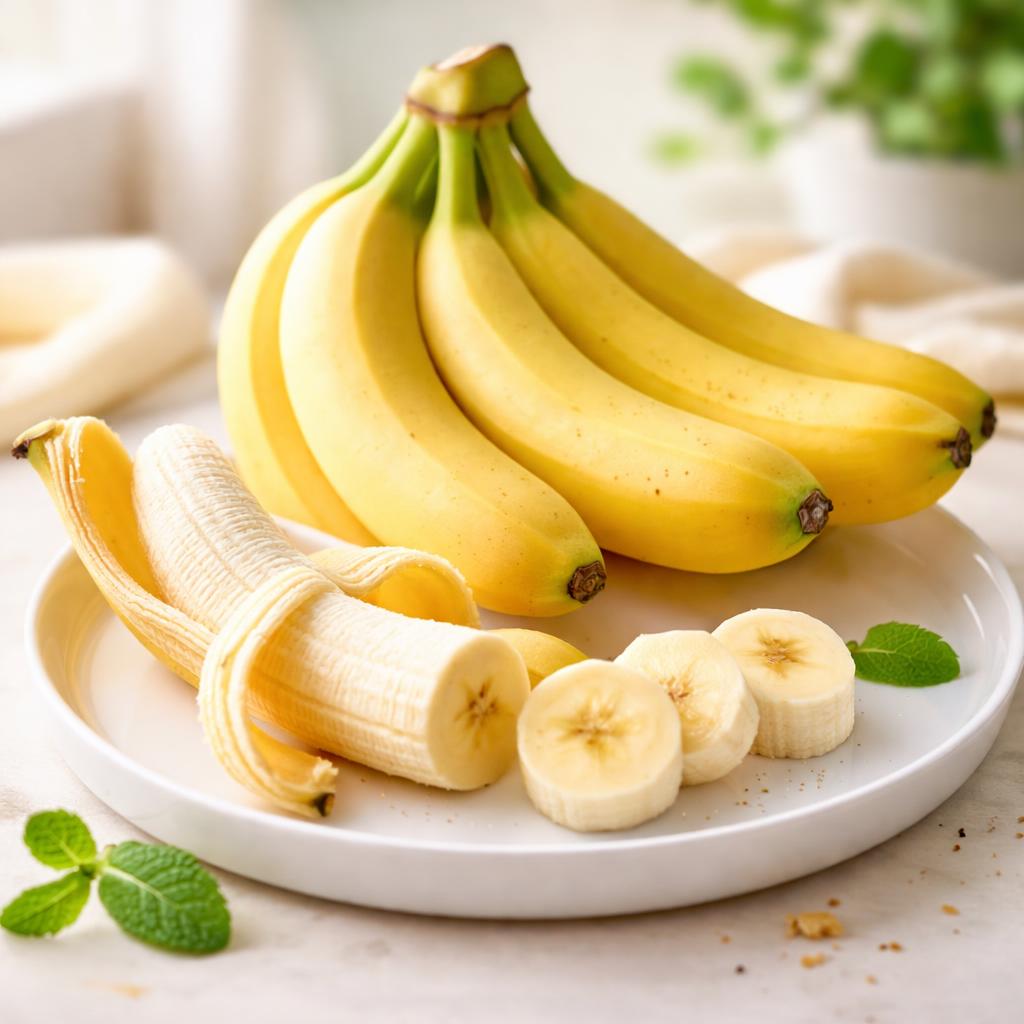
Banana
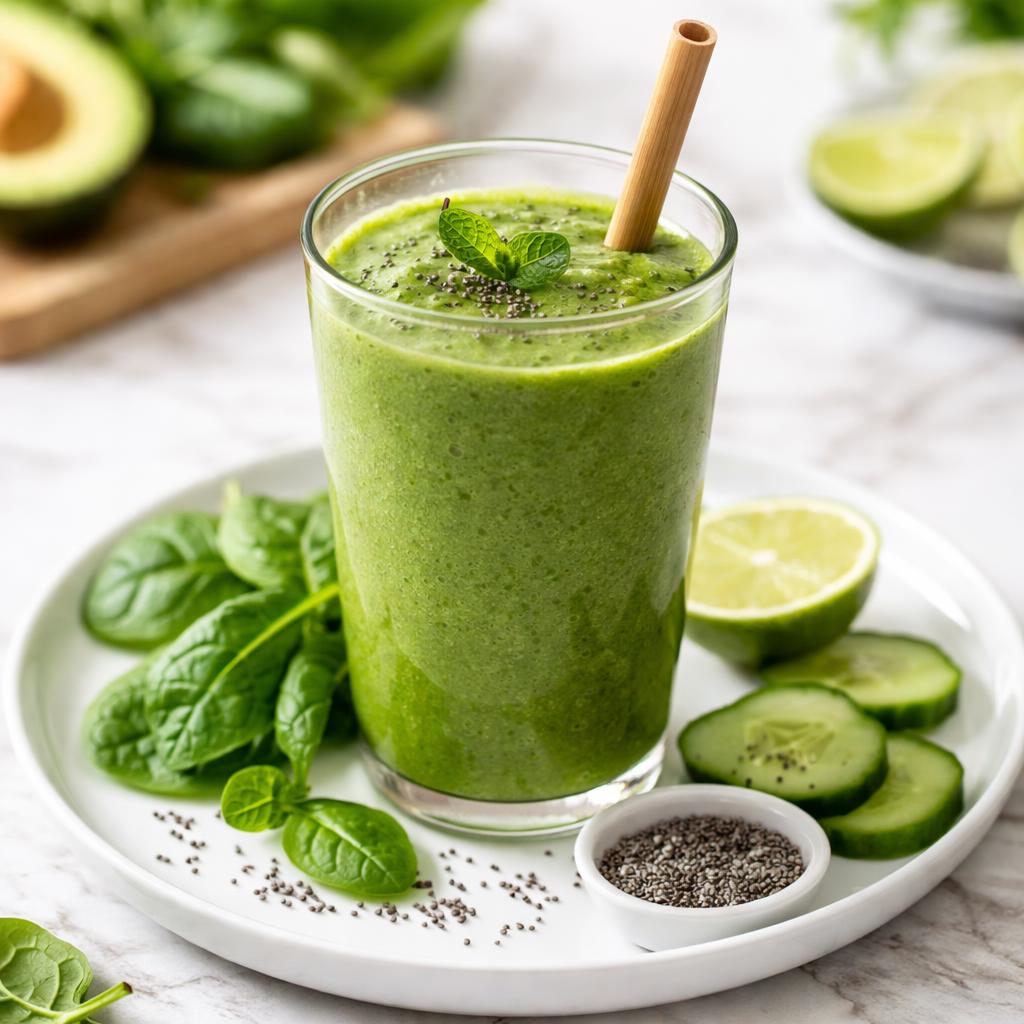
Spinach Smoothie
🎯 Quick Verdict
Spinach smoothie outshines banana in terms of protein, fiber, and lower calorie count per serving, making it a more nutrient-dense option. Bananas are higher in natural sugars and provide quick energy, while spinach smoothies offer versatile nutritional benefits ideal for balanced diets or weight management plans.

Smart Nutrition Tracking with SnapCalorie

📊 Nutritional Comparison
Macronutrients
| Nutrient | Food 1 | Food 2 | Winner |
|---|---|---|---|
| Calories | 105 | 70 | ✓ |
| Protein | 1.3g | 4g | ✓ |
| Carbs | 27g | 14g | ✓ |
| Fat | 0.3g | 1g | ✓ |
| Fiber | 3g | 5g | ✓ |
Vitamins & Minerals
| Nutrient | Food 1 | Food 2 | Winner |
|---|---|---|---|
| Vitamin A | 76mcg | 2814mcg | ✓ |
| Vitamin C | 10mg | 35mg | ✓ |
| Iron | 0.3mg | 2.7mg | ✓ |
🏆 Category Winners
Protein
Spinach smoothie has over three times more protein than a banana.
Fiber
Spinach smoothie contains 67% more fiber per serving.
Calories
Spinach smoothie has 33% fewer calories compared to a banana.
Vitamins
Spinach smoothie is far richer in Vitamin A, Vitamin C, and iron compared to a banana.
🥗 Diet Compatibility
Keto
Food 1: Not Compatible
Food 2: Compatible
Bananas are high in carbs, while spinach smoothies can be lower-carb if made without high-sugar additions.
Vegan
Food 1: Compatible
Food 2: Compatible
Both are plant-based foods.
Gluten Free
Food 1: Compatible
Food 2: Compatible
Neither contains gluten.
Paleo
Food 1: Compatible
Food 2: Compatible
Both align with paleo diets when made naturally without additives.
Low-Carb
Food 1: Not Compatible
Food 2: Compatible
Bananas are too high in carbs for low-carb diets; spinach smoothies can be tailored to meet low-carb needs.
💪 Health Benefits Comparison
Food 1 Benefits
- Excellent source of quick, natural energy due to high carbohydrate content
- Rich in potassium for heart and muscular health
- Contains Vitamin C for immune support
Food 2 Benefits
- High protein content supports muscle repair and maintenance
- Rich in Vitamin A for eye and skin health
- Provides iron for improved oxygen transport and energy levels
- Packed with antioxidants for overall cellular protection
✅ The Bottom Line
If you need quick energy or a healthy, portable snack, bananas are a great choice. However, spinach smoothies are significantly more nutrient-dense, offering more protein, fiber, and vitamins, making them better suited for weight management, muscle recovery, or balanced meal planning.
Choose Food 1 for: Quick energy, portable snack, high-carb diets
Choose Food 2 for: Weight management, nutrient-dense meals, muscle recovery


