Banana VS Sorbet
A detailed nutritional comparison
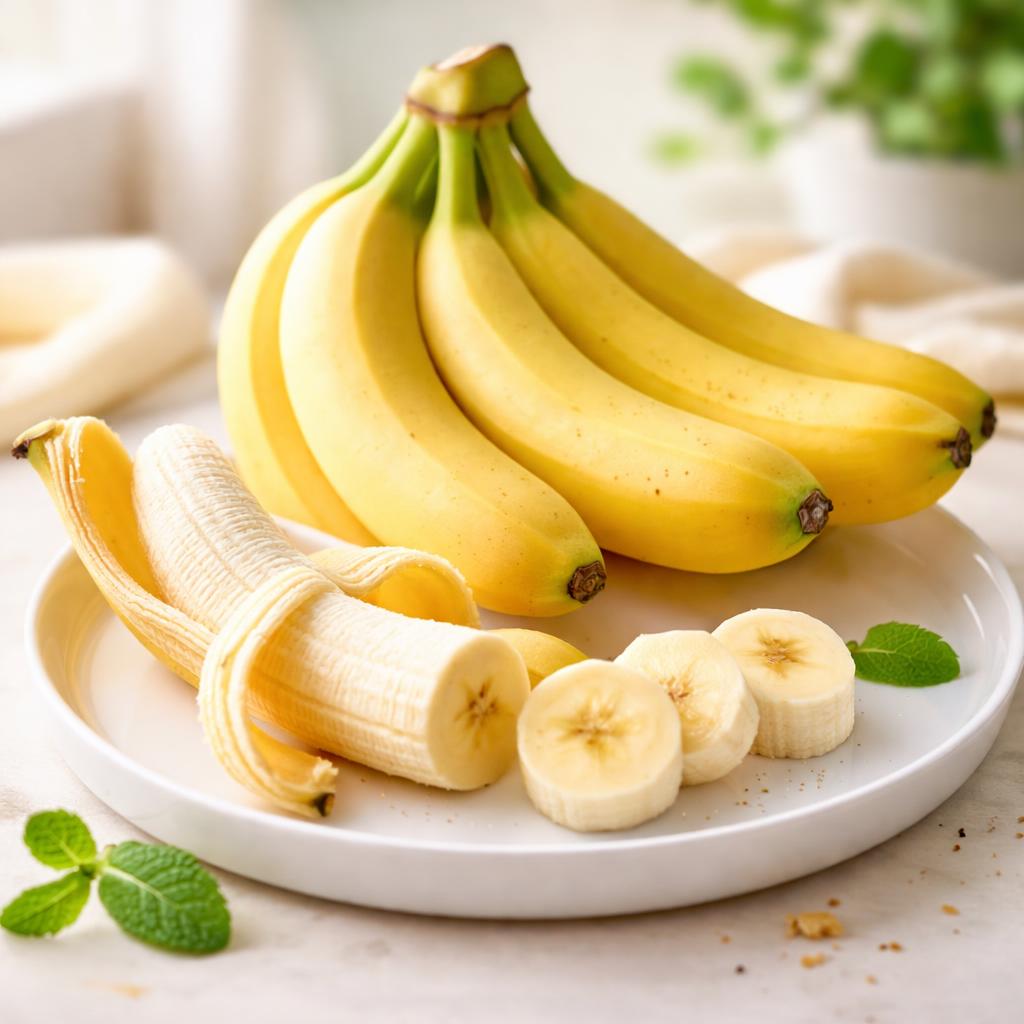
Banana
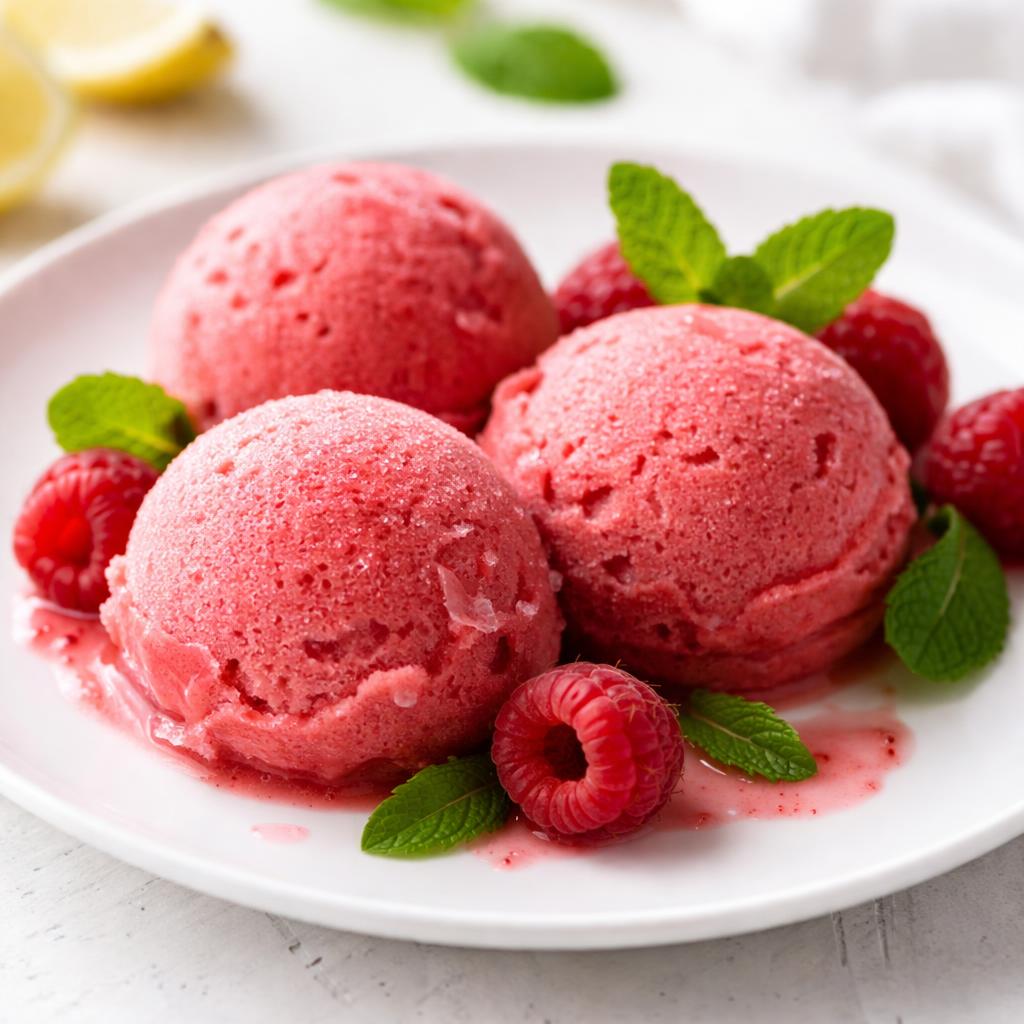
Sorbet
🎯 Quick Verdict
Bananas are notably more nutritious than sorbet, offering higher protein, fiber, and a range of vitamins and minerals. Sorbet is primarily a sugar-based dessert with higher calories and lower nutritional density, suitable for occasional enjoyment rather than regular consumption. Bananas are a versatile, energy-boosting option ideal for healthy snacks or pre-workout fuel.

Smart Nutrition Tracking with SnapCalorie

📊 Nutritional Comparison
Macronutrients
| Nutrient | Food 1 | Food 2 | Winner |
|---|---|---|---|
| Calories | 105 | 150 | ✓ |
| Protein | 1.3g | 0.5g | ✓ |
| Carbs | 27g | 35g | ✓ |
| Fat | 0.3g | 0.5g | ✓ |
| Fiber | 3.1g | 0g | ✓ |
Vitamins & Minerals
| Nutrient | Food 1 | Food 2 | Winner |
|---|---|---|---|
| Vitamin C | 10mg (11% DV) | 2mg (2% DV) | ✓ |
| Potassium | 422mg (9% DV) | 20mg (<1% DV) | ✓ |
| Vitamin B6 | 0.4mg (20% DV) | 0mg | ✓ |
🏆 Category Winners
Protein
Bananas contain more than double the protein of sorbet per serving.
Fiber
Bananas have 3.1g of fiber, whereas sorbet contains none.
Calories
Bananas are lower in calories, making them more weight-loss friendly.
🥗 Diet Compatibility
Keto
Food 1: Not Compatible
Food 2: Not Compatible
Both foods are high in carbs and not suitable for keto diets.
Vegan
Food 1: Compatible
Food 2: Compatible
Both are plant-based and vegan-friendly.
Gluten Free
Food 1: Compatible
Food 2: Compatible
Neither contains gluten.
Paleo
Food 1: Compatible
Food 2: Not Compatible
Bananas fit into the paleo diet, but sorbet often contains refined sugar, which is not paleo-approved.
Low-Carb
Food 1: Not Compatible
Food 2: Not Compatible
Both foods are high in carbs, making them unsuitable for low-carb diets.
💪 Health Benefits Comparison
Food 1 Benefits
- Rich in potassium to support heart health and muscle function
- Provides dietary fiber for digestive health
- Contains Vitamin B6 for brain health and energy metabolism
- Offers antioxidants to reduce oxidative stress
Food 2 Benefits
- Low fat content for light indulgence
- Hydrating due to its high water content
- Provides a refreshing, quick energy source
- Can be fortified with fruits for some antioxidant benefits
✅ The Bottom Line
Bananas are a nutrient-rich, versatile option with essential vitamins, minerals, and fiber, making them ideal for everyday snacking, energy boosts, and fitness. Sorbet, while a refreshing treat, is best suited for occasional indulgence due to its high sugar content and lower nutritional density.
Choose Food 1 for: Healthy snacks, pre-workout energy, digestive health
Choose Food 2 for: Occasional dessert, quick energy, light hydration


