Banana VS Small Apple
A detailed nutritional comparison
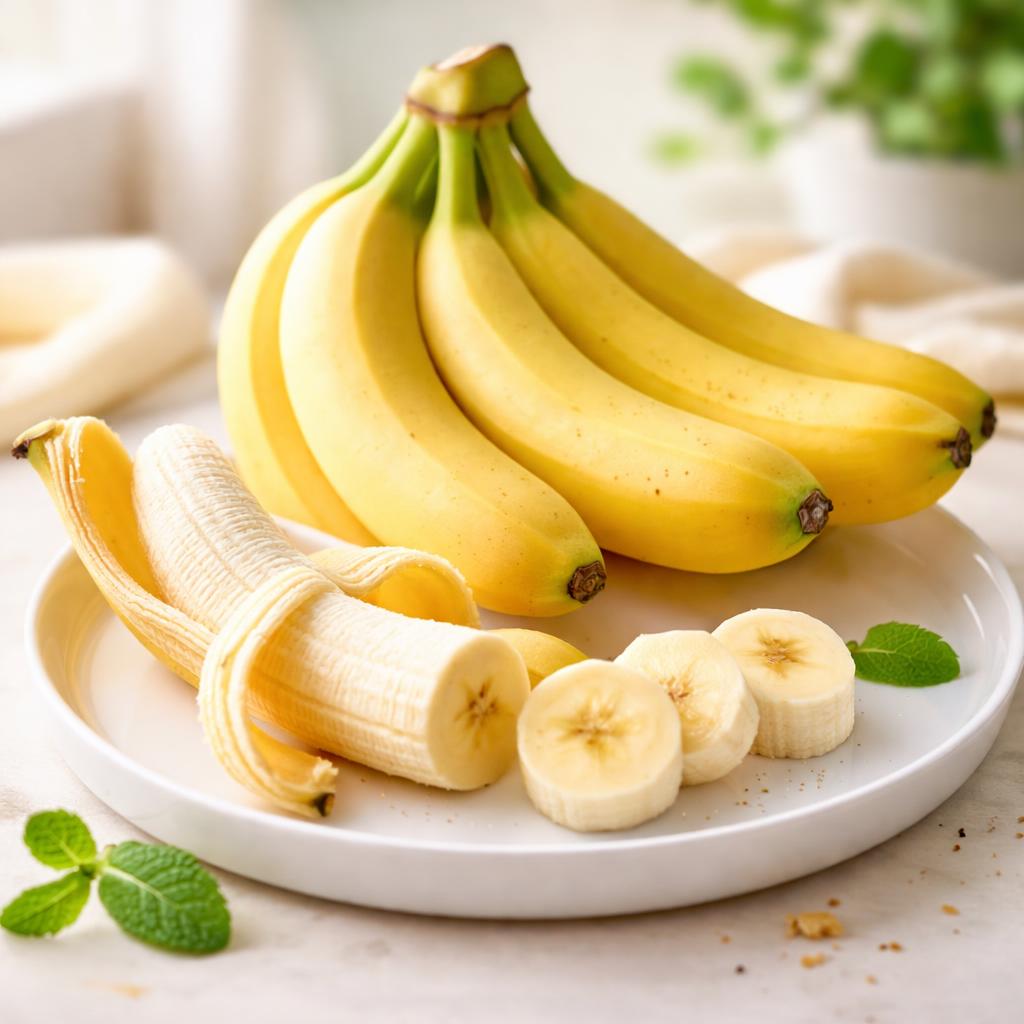
Banana
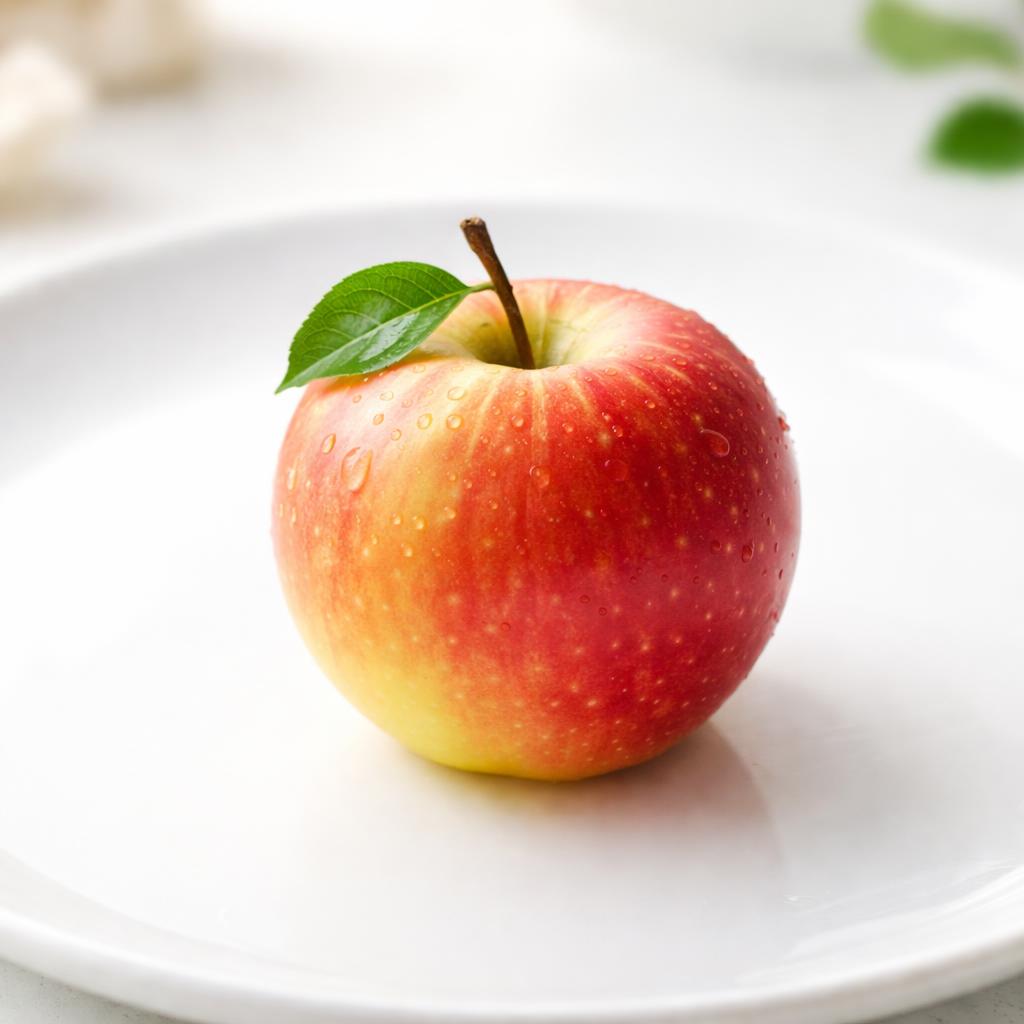
Small Apple
🎯 Quick Verdict
Bananas and small apples are both nutrient-dense fruits, offering their own unique benefits. Bananas are slightly higher in calories and carbohydrates, while apples provide more fiber. Both are excellent for heart health and overall nutrition, but their suitability depends on dietary goals such as energy needs or digestion focus.

Smart Nutrition Tracking with SnapCalorie

📊 Nutritional Comparison
Macronutrients
| Nutrient | Food 1 | Food 2 | Winner |
|---|---|---|---|
| Calories | 105 | 77 | ✓ |
| Protein | 1.3g | 0.3g | − |
| Carbs | 27g | 21g | ✓ |
| Fat | 0.3g | 0.2g | ✓ |
| Fiber | 3.1g | 4g | ✓ |
Vitamins & Minerals
| Nutrient | Food 1 | Food 2 | Winner |
|---|---|---|---|
| Vitamin C | 10mg | 8.4mg | ✓ |
| Potassium | 422mg | 195mg | ✓ |
| Vitamin A | 76 IU | 54 IU | ✓ |
| Vitamin K | 0.5mcg | 2.2mcg | ✓ |
🏆 Category Winners
Protein
Both are low in protein with negligible difference.
Fiber
Apples have 29% more fiber than bananas per serving.
Calories
Apples have 27% fewer calories than bananas per serving.
Vitamins
Bananas have higher levels of potassium, vitamin C, and vitamin A.
🥗 Diet Compatibility
Keto
Food 1: Not Compatible
Food 2: Not Compatible
Both are relatively high in carbs.
Vegan
Food 1: Compatible
Food 2: Compatible
Both fruits are plant-based and suitable for vegans.
Gluten Free
Food 1: Compatible
Food 2: Compatible
Neither contains gluten.
Paleo
Food 1: Compatible
Food 2: Compatible
Both are natural fruits and suitable for a Paleo diet.
Low-Carb
Food 1: Not Compatible
Food 2: Not Compatible
Both exceed typical low-carb guidelines (~5g carbs per serving).
💪 Health Benefits Comparison
Food 1 Benefits
- Rich in potassium for maintaining healthy blood pressure and muscle function
- Provides quick energy due to natural sugars and carbohydrates
- Contains vitamin B6 for brain health and metabolism support
Food 2 Benefits
- High in fiber for promoting healthy digestion
- Provides antioxidants like quercetin for anti-inflammatory benefits
- Supports heart health with low calories and vitamin K
✅ The Bottom Line
Bananas are ideal for quick energy and replenishing potassium after physical activity, while apples shine in fiber content and are a lighter, lower-calorie choice. Both are nutritious options for everyday consumption depending on individual needs.
Choose Food 1 for: Post-workout energy, potassium boost, quick snack
Choose Food 2 for: Digestion, weight management, light and filling snacks


