Banana VS Sandwich
A detailed nutritional comparison
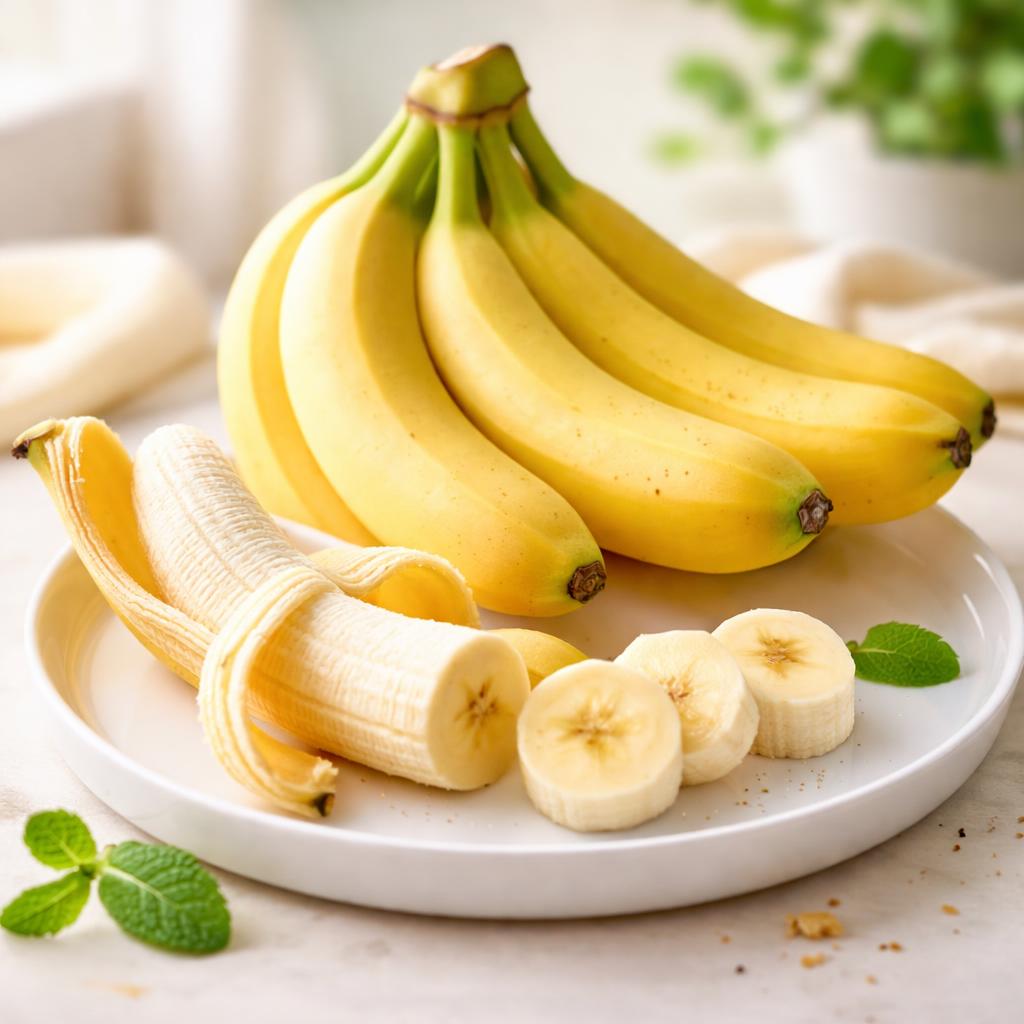
Banana
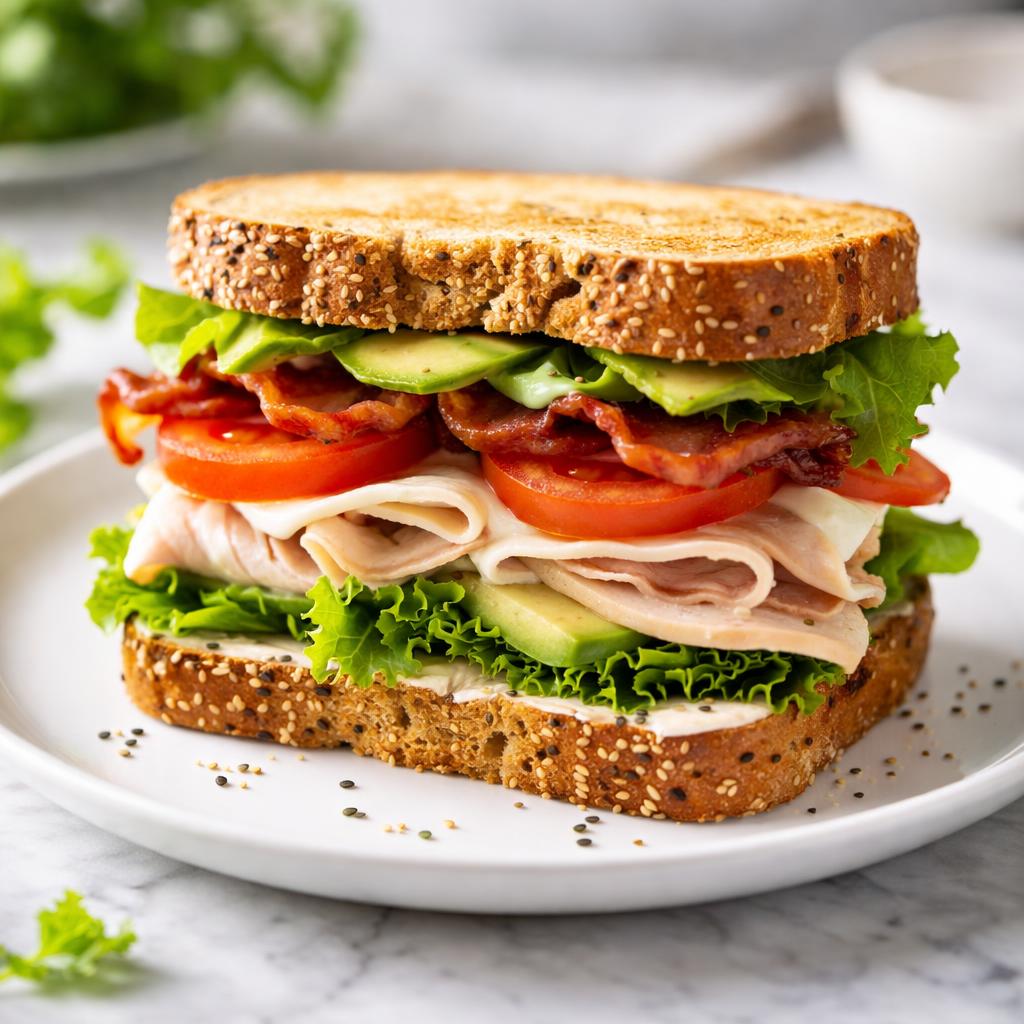
Sandwich
🎯 Quick Verdict
Bananas are a low-calorie, fiber-rich fruit ideal for quick energy and digestion support. Sandwiches, depending on their ingredients, tend to be higher in protein, fat, and overall calories, making them better suited for meal replacement or sustained energy needs. Choose bananas for snacking or light meals, and sandwiches for protein-rich, filling meals.

Smart Nutrition Tracking with SnapCalorie

📊 Nutritional Comparison
Macronutrients
| Nutrient | Food 1 | Food 2 | Winner |
|---|---|---|---|
| Calories | 105 | 300 | ✓ |
| Protein | 1.3g | 12g | ✓ |
| Carbs | 27g | 35g | ✓ |
| Fat | 0.3g | 10g | ✓ |
| Fiber | 3g | 2g | ✓ |
Vitamins & Minerals
| Nutrient | Food 1 | Food 2 | Winner |
|---|---|---|---|
| Vitamin D | 0mcg | 0.4mcg | ✓ |
| Calcium | 6mg | 200mg | ✓ |
| Iron | 0.3mg | 1.8mg | ✓ |
| Potassium | 422mg | 150mg | ✓ |
| Vitamin C | 10mg | 2mg | ✓ |
🏆 Category Winners
Protein
Food2 (sandwich) contains significantly more protein (12g vs 1.3g).
Fiber
Food1 (banana) has 50% more fiber than food2.
Calories
Food1 is much lower in calories, suitable for light intake.
Vitamins
Food1 offers high potassium and vitamin C, key for electrolyte balance and immune health.
🥗 Diet Compatibility
Keto
Food 1: Not Compatible
Food 2: Not Compatible
Both foods are too high in carbs for a keto diet.
Vegan
Food 1: Compatible
Food 2: Depends on ingredients
Bananas are completely plant-based; sandwiches may contain animal products.
Gluten Free
Food 1: Compatible
Food 2: Not Compatible
Bananas are naturally gluten-free; sandwiches often contain gluten in bread.
Paleo
Food 1: Compatible
Food 2: Not Compatible
Bananas are paleo-friendly, while sandwiches typically contain processed ingredients like bread.
Low-Carb
Food 1: Not Compatible
Food 2: Not Compatible
Both foods are carb-heavy and not ideal for strict low-carb diets.
💪 Health Benefits Comparison
Food 1 Benefits
- Rich in potassium for heart health and muscle function
- High in dietary fiber for digestive health
- Contains vitamin C to boost immunity
- Provides natural sugars for quick energy
Food 2 Benefits
- High protein content supports muscle repair and growth
- Calcium-rich if containing cheese or dairy for stronger bones
- Contains iron to improve oxygen transport in the body
- Generally filling and balanced for sustained energy
✅ The Bottom Line
Bananas are ideal for snacking, quick energy, and light meals, while sandwiches offer a more balanced, protein-rich option suitable for meal replacement or sustained energy demands. Consider your dietary needs when choosing between the two.
Choose Food 1 for: Quick snacks, pre-workout energy, digestion, light meals
Choose Food 2 for: Lunches, post-workout recovery, muscle building, sustained energy


