Banana VS Salad
A detailed nutritional comparison
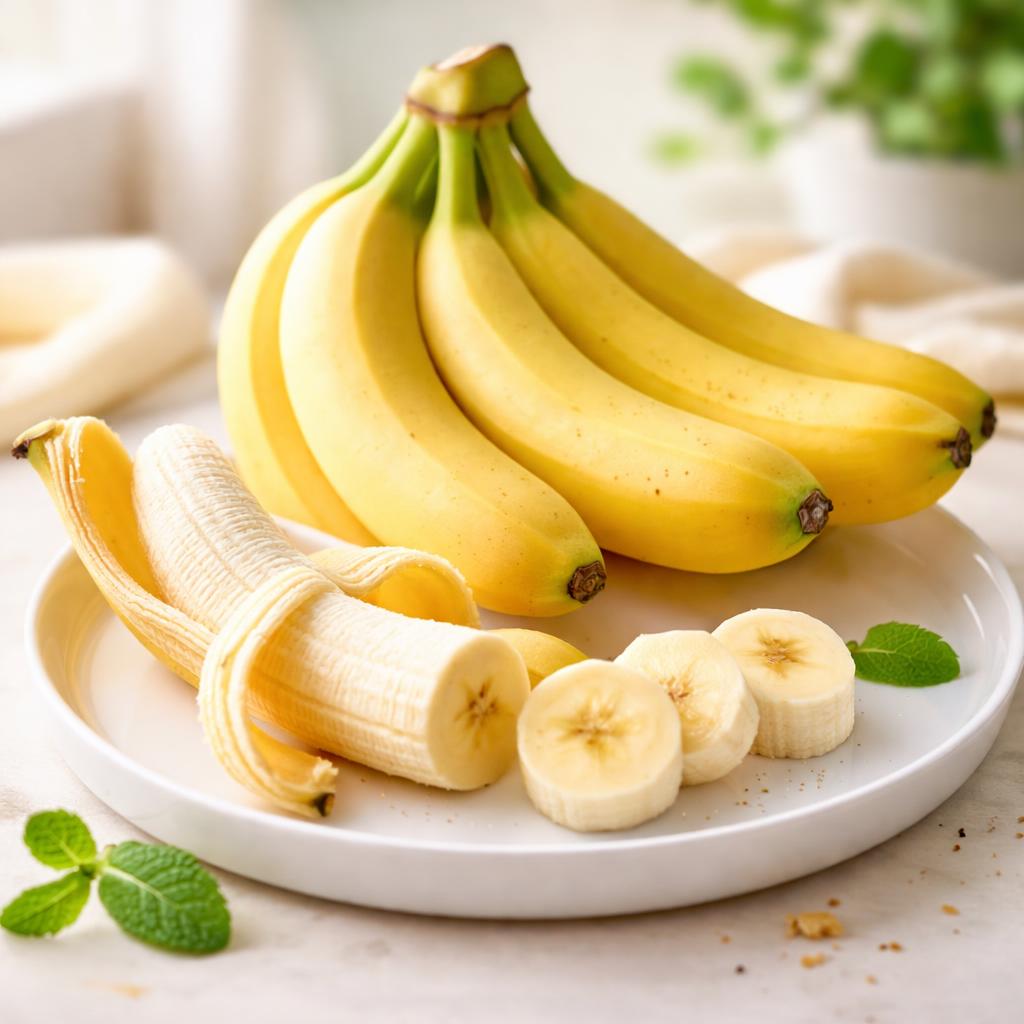
Banana
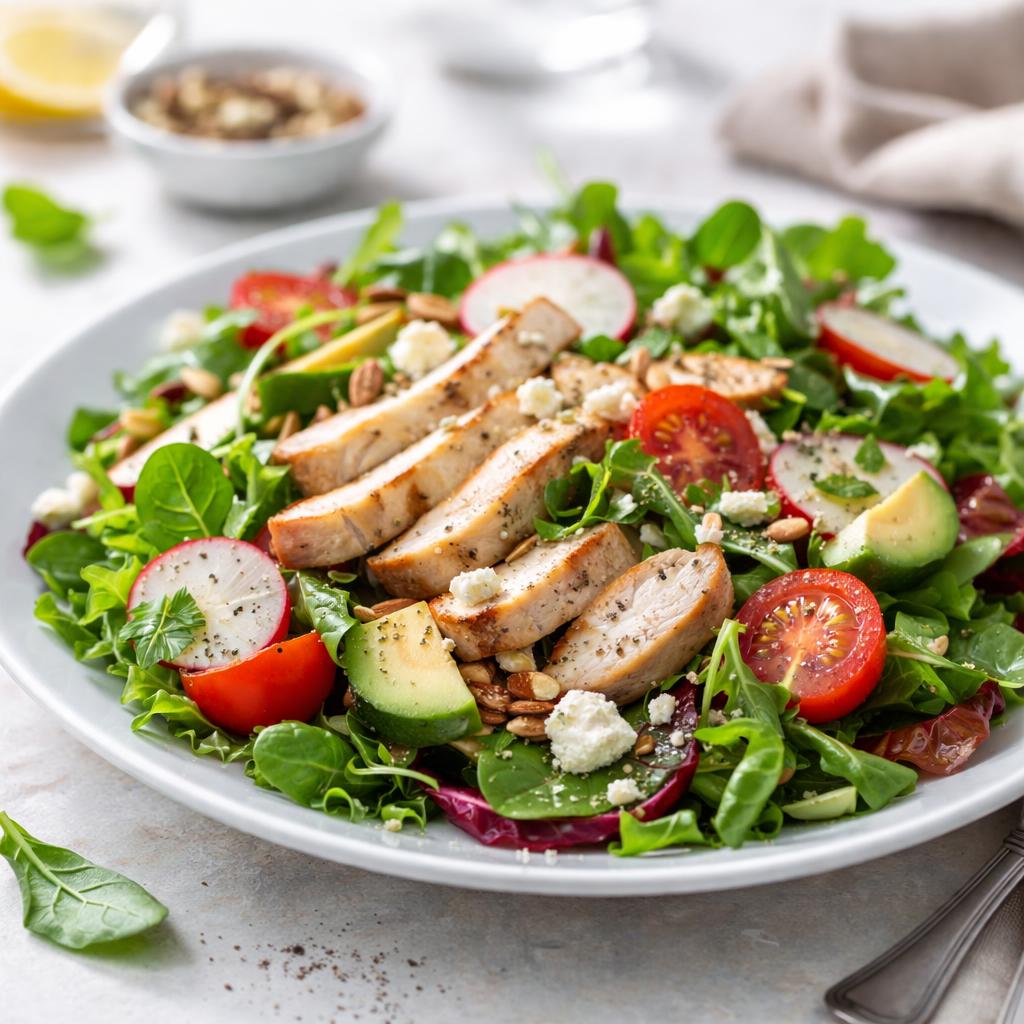
Salad
🎯 Quick Verdict
A banana is a great source of quick carbs and potassium, making it ideal for energy and recovery. Salad, however, is lower in calories and contains higher fiber, making it better for low-calorie diets and digestion. Both are good plant-based options depending on your nutritional goals and use cases.

Smart Nutrition Tracking with SnapCalorie

📊 Nutritional Comparison
Macronutrients
| Nutrient | Food 1 | Food 2 | Winner |
|---|---|---|---|
| Calories | 105 | 25 | ✓ |
| Protein | 1g | 1g | − |
| Carbs | 27g | 5g | ✓ |
| Fat | 0g | 0g | − |
| Fiber | 3g | 2.5g | ✓ |
Vitamins & Minerals
| Nutrient | Food 1 | Food 2 | Winner |
|---|---|---|---|
| Vitamin C | 10mg | 15mg | ✓ |
| Potassium | 422mg | 250mg | ✓ |
| Iron | 0.3mg | 0.3mg | − |
🏆 Category Winners
Protein
Both foods contain approximately 1g of protein per serving.
Fiber
Bananas provide slightly more fiber per serving.
Calories
Salad is much lower in calories (25 vs 105).
Vitamins
Salad has higher vitamin C content compared to bananas.
🥗 Diet Compatibility
Keto
Food 1: Not Compatible
Food 2: Compatible
Bananas are high in carbs; salad is low-carb.
Vegan
Food 1: Compatible
Food 2: Compatible
Both are plant-based and free of animal products.
Gluten Free
Food 1: Compatible
Food 2: Compatible
Neither food contains gluten naturally.
Paleo
Food 1: Compatible
Food 2: Compatible
Both are unprocessed whole foods suitable for paleo diets.
Low-Carb
Food 1: Not Compatible
Food 2: Compatible
Bananas have a much higher carbohydrate content (27g per serving vs 5g).
💪 Health Benefits Comparison
Food 1 Benefits
- Provides quick energy for workouts and recovery
- High potassium content supports muscle function and regulates blood pressure
- Contains natural sugars, making it a great pre-workout snack
Food 2 Benefits
- Low calorie and nutrient-dense, ideal for weight loss or maintenance
- High fiber content supports digestion and satiety
- Contains vitamins like vitamin C, boosting immunity and skin health
✅ The Bottom Line
Bananas are best for quick energy, potassium replenishment, and pre-workout needs. Conversely, salad is ideal for those seeking a low-calorie, nutrient-dense food to pair with meals or for weight management.
Choose Food 1 for: Quick energy, post-workout, potassium intake
Choose Food 2 for: Low-calorie diets, digestion, boosting nutrient variety in meals


