Banana VS Rice Cakes
A detailed nutritional comparison
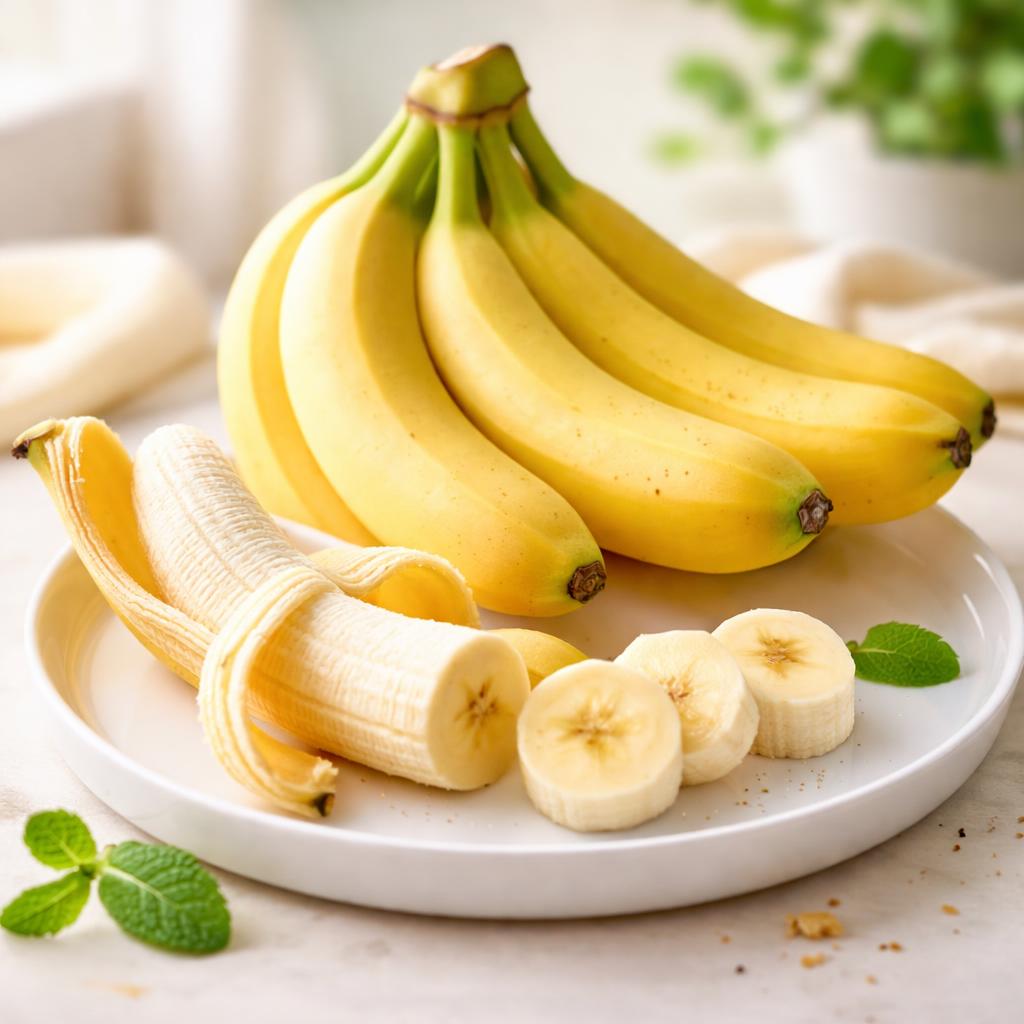
Banana
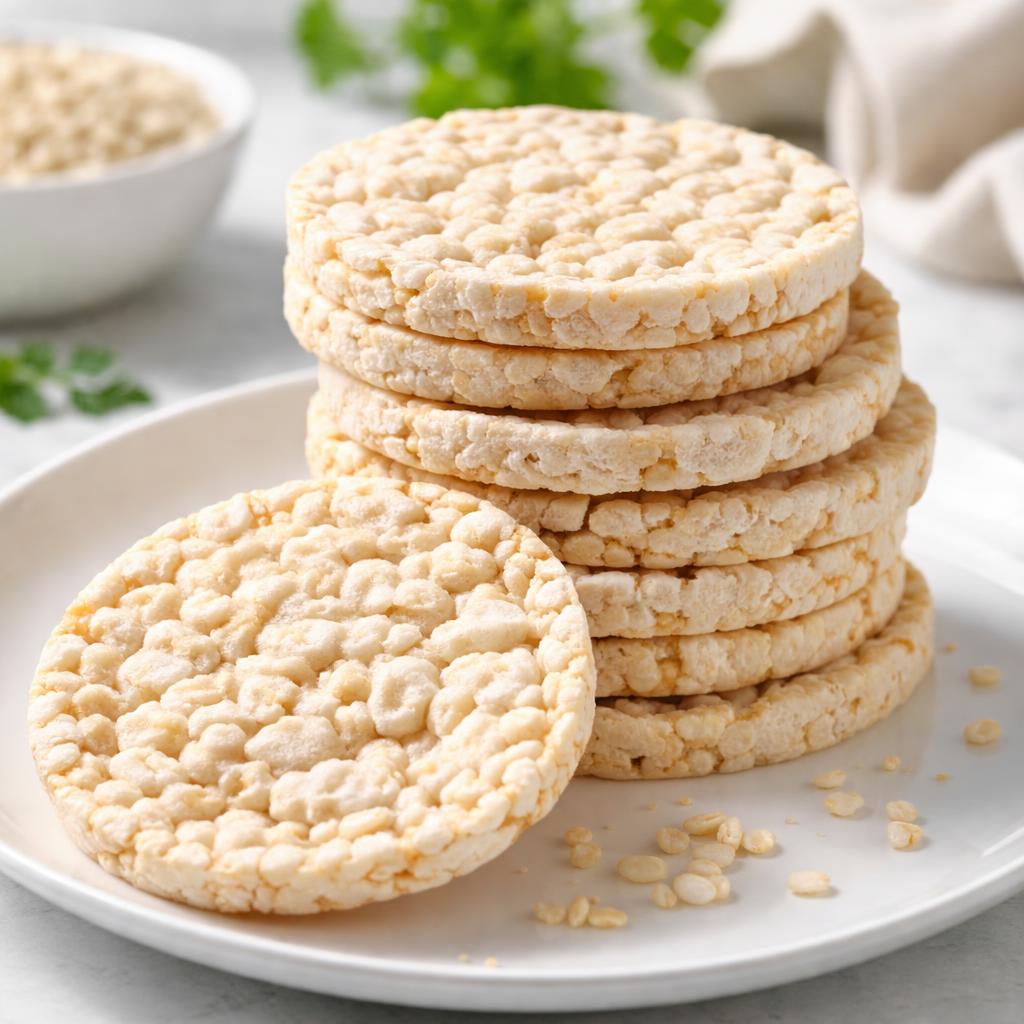
Rice Cakes
🎯 Quick Verdict
Bananas and rice cakes have distinct nutritional profiles. Bananas are richer in fiber, potassium, and natural sugars, making them great for quick energy boosts and digestion. Rice cakes are lower in calories and higher in protein (but still low overall), making them a suitable base for low-calorie snacks or toppings. Choosing between the two depends on your dietary goals like energy, digestion, or calorie control.

Smart Nutrition Tracking with SnapCalorie

📊 Nutritional Comparison
Macronutrients
| Nutrient | Food 1 | Food 2 | Winner |
|---|---|---|---|
| Calories | 105 | 35 | ✓ |
| Protein | 1.3g | 0.9g | ✓ |
| Carbs | 27g | 7g | ✓ |
| Fat | 0.3g | 0.02g | ✓ |
| Fiber | 3g | 0g | ✓ |
Vitamins & Minerals
| Nutrient | Food 1 | Food 2 | Winner |
|---|---|---|---|
| Vitamin C | 10.3mg | 0mg | ✓ |
| Potassium | 422mg | 16mg | ✓ |
| Iron | 0.31mg | 0.2mg | ✓ |
🏆 Category Winners
Protein
Rice cakes have slightly more protein per serving.
Fiber
Bananas provide 3g of fiber while rice cakes have none.
Calories
Rice cakes contain only 35 calories per serving compared to a banana's 105.
🥗 Diet Compatibility
Keto
Food 1: Not Compatible
Food 2: Compatible
Rice cakes are lower in carbs and are sometimes allowed in modified keto diets.
Vegan
Food 1: Compatible
Food 2: Compatible
Both are plant-based and vegan-friendly.
Gluten Free
Food 1: Compatible
Food 2: Check labels
Rice cakes are often gluten-free, but cross-contamination or additives require verification.
Paleo
Food 1: Compatible
Food 2: Not Compatible
Bananas are natural and unprocessed while rice cakes are processed grains.
Low-Carb
Food 1: Not Compatible
Food 2: Moderately Compatible
Rice cakes are relatively low in carbs (7g per serving) compared to bananas (27g).
💪 Health Benefits Comparison
Food 1 Benefits
- Rich in potassium for heart and muscle health
- Good source of dietary fiber to support digestive health
- Provides natural energy from simple carbohydrates
- High in antioxidants for reducing oxidative stress
Food 2 Benefits
- Low in calories, making it ideal for weight management
- Slightly higher in protein, aiding in muscle maintenance
- Light and easy to digest, suitable for sensitive stomachs
- Versatile snack base that can complement other healthy foods
✅ The Bottom Line
Bananas and rice cakes serve very different purposes: choose a banana for quick energy, steady digestion, and nutrient richness, while opting for rice cakes as a low-calorie, versatile snack base. Diet goals like fiber intake or calorie control will guide your decision.
Choose Food 1 for: Quick energy, workouts, digestive health, nutrient boost
Choose Food 2 for: Weight management, low-calorie snacks, light meals


