Banana VS Pumpkin Pie
A detailed nutritional comparison
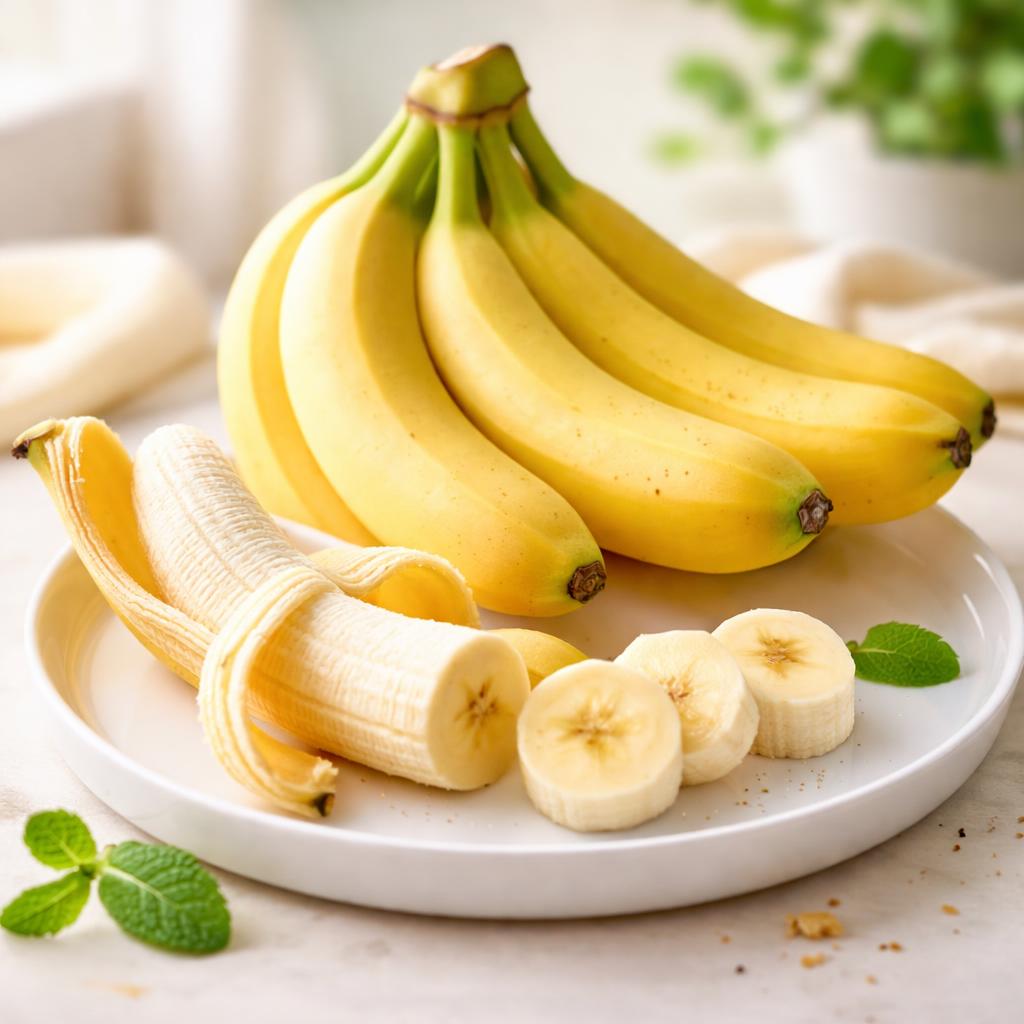
Banana
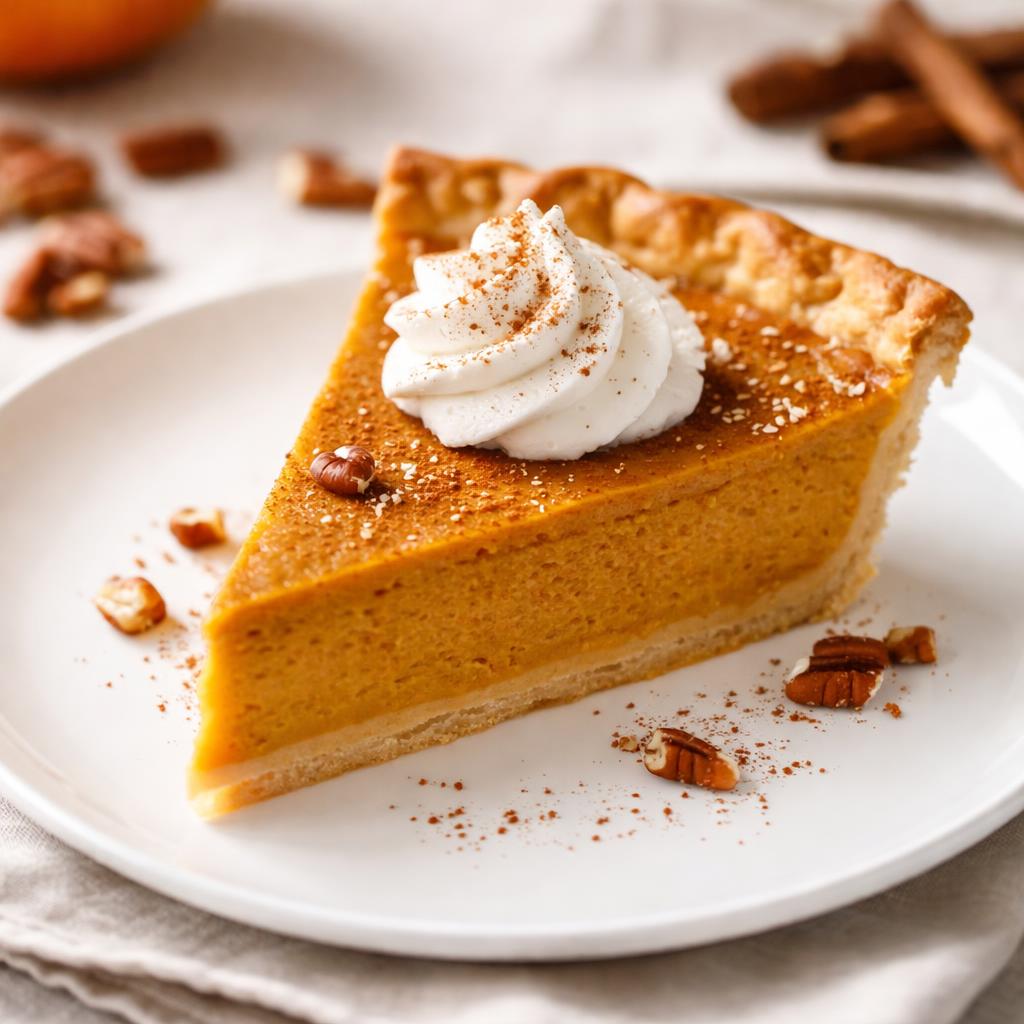
Pumpkin Pie
🎯 Quick Verdict
Bananas are a nutrient-dense fruit with fewer calories, more fiber, and a better vitamin profile overall compared to pumpkin pie. Pumpkin pie, while an indulgent treat, is higher in protein and offers small amounts of healthy fats. Bananas are ideal for a quick energy boost or snack, while pumpkin pie is more suited for occasional treat purposes with added flavor complexity.

Smart Nutrition Tracking with SnapCalorie

📊 Nutritional Comparison
Macronutrients
| Nutrient | Food 1 | Food 2 | Winner |
|---|---|---|---|
| Calories | 105 | 320 | ✓ |
| Protein | 1.3g | 3.5g | ✓ |
| Carbs | 27g | 46g | ✓ |
| Fat | 0.3g | 14g | ✓ |
| Fiber | 3.1g | 2g | ✓ |
Vitamins & Minerals
| Nutrient | Food 1 | Food 2 | Winner |
|---|---|---|---|
| Vitamin A | 64 IU | 6195 IU | ✓ |
| Vitamin C | 10.3mg | 1.2mg | ✓ |
| Calcium | 6mg | 78mg | ✓ |
| Iron | 0.3mg | 0.8mg | ✓ |
🏆 Category Winners
Protein
Pumpkin pie contains nearly 3x more protein per serving.
Fiber
Banana has 55% more fiber, supporting digestive health.
Calories
Banana has roughly 67% fewer calories than pumpkin pie.
Vitamins
Pumpkin pie excels in Vitamin A and Calcium, essential for vision and bone health.
🥗 Diet Compatibility
Keto
Food 1: Not Compatible
Food 2: Not Compatible
Both are too high in carbs for a keto diet.
Vegan
Food 1: Compatible
Food 2: Not Compatible
Banana is plant-based, but pumpkin pie typically contains eggs and dairy.
Gluten Free
Food 1: Compatible
Food 2: Not Compatible
Banana contains no gluten, while pumpkin pie often uses wheat flour.
Paleo
Food 1: Compatible
Food 2: Not Compatible
Banana fits Paleo guidelines; pumpkin pie does not due to processed ingredients.
Low-Carb
Food 1: Not Compatible
Food 2: Not Compatible
Both foods are too high in carbs to qualify as low-carb options.
💪 Health Benefits Comparison
Food 1 Benefits
- Rich in potassium for heart health and muscle function
- Provides natural energy boost from carbs
- Good source of dietary fiber for regular digestion
- Contains vitamin C to support immune health
Food 2 Benefits
- High in Vitamin A for eye health and immune support
- Contains small amounts of protein for muscle repair
- Provides calcium for bone health
- Offers fats for satiety and energy storage
✅ The Bottom Line
Choose banana for a quick and healthy snack with low calories, high fiber, and natural vitamins. Pumpkin pie is best as a treat for its complex flavors and nutritional boosts like Vitamin A and protein. It should not replace staple foods due to high calorie and fat content.
Choose Food 1 for: Energy boost, light snack, digestion support
Choose Food 2 for: Indulgence, holiday dessert, Vitamin A source


