Banana VS Potato Cubes
A detailed nutritional comparison
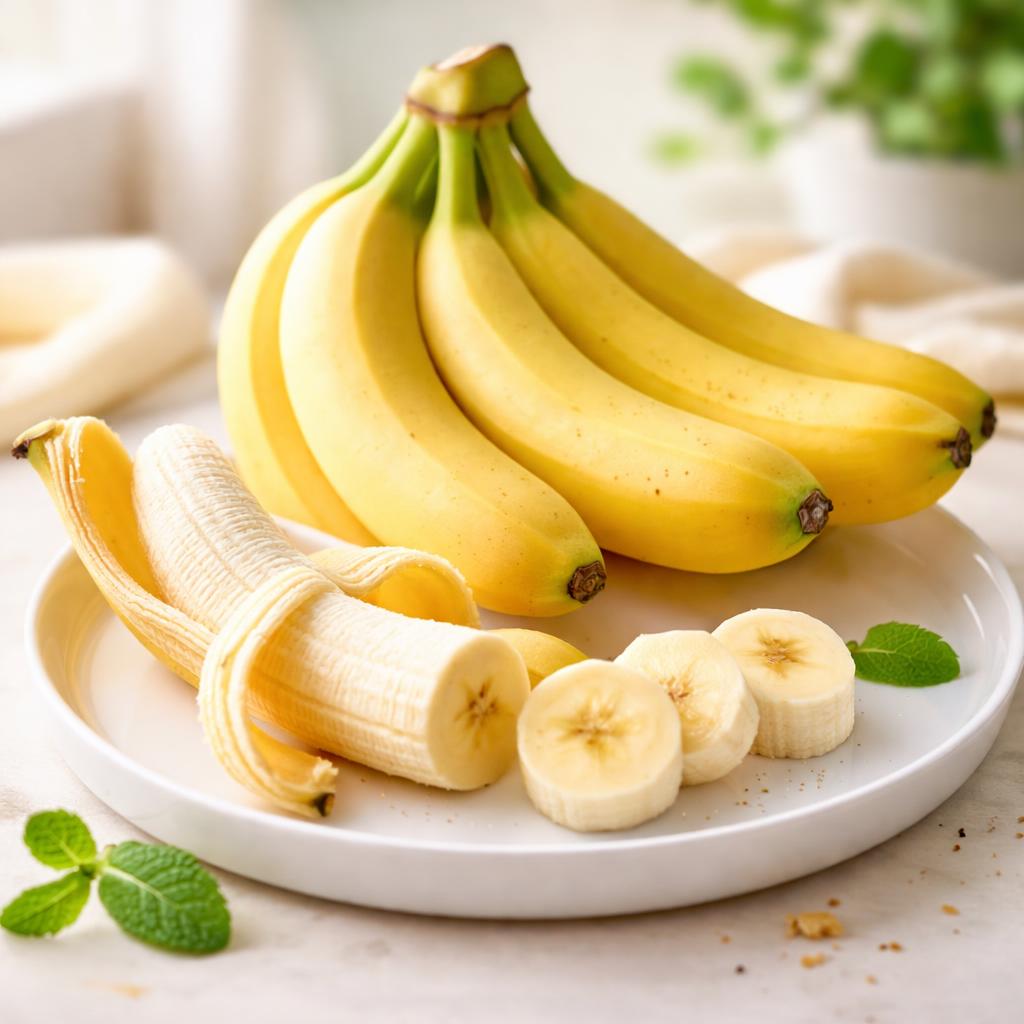
Banana
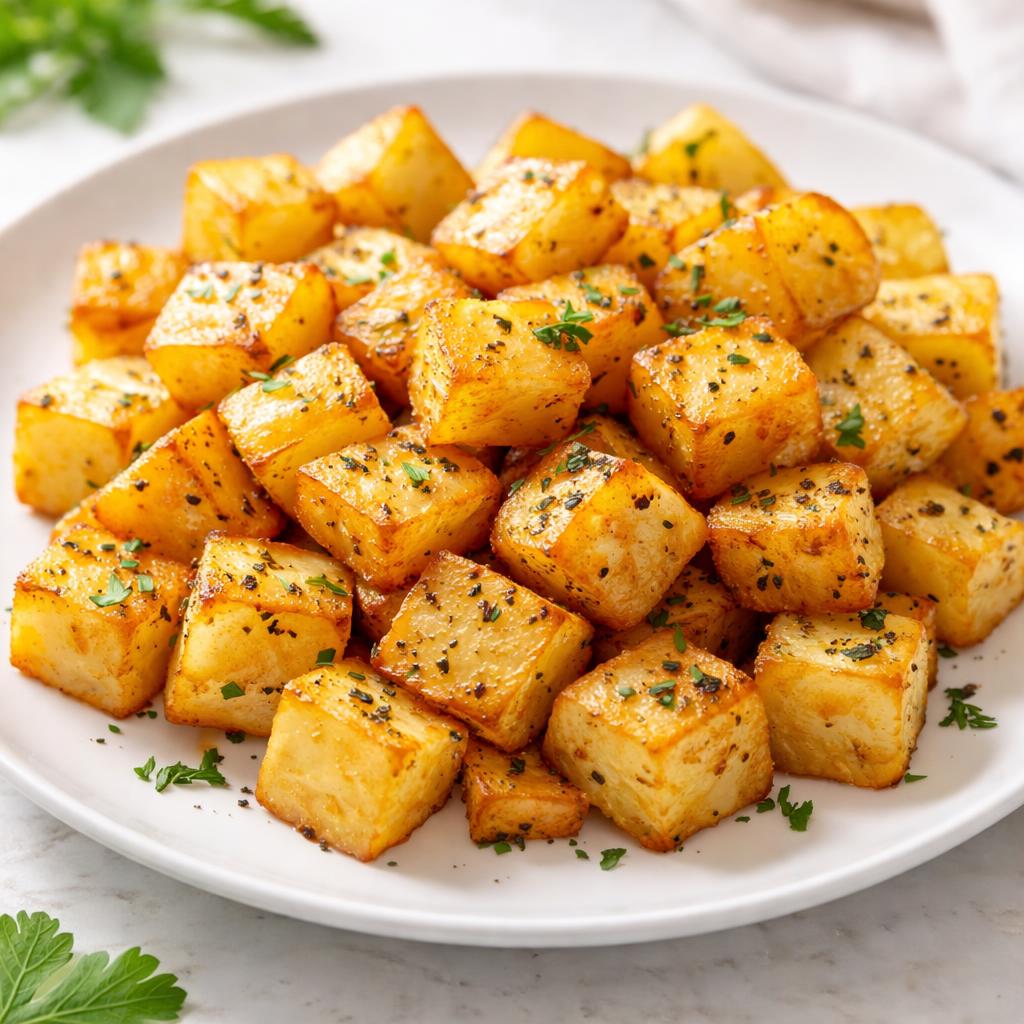
Potato Cubes
🎯 Quick Verdict
Bananas and potato cubes are nutritionally distinct. Bananas provide fewer calories, a higher concentration of natural sugars, and more potassium. Potato cubes offer more protein and fiber, making them a better choice for satiation and muscle support. Both are versatile but serve different dietary needs: bananas for quick energy and potatoes for nutrient density.

Smart Nutrition Tracking with SnapCalorie

📊 Nutritional Comparison
Macronutrients
| Nutrient | Food 1 | Food 2 | Winner |
|---|---|---|---|
| Calories | 105 | 130 | ✓ |
| Protein | 1.3g | 3g | ✓ |
| Carbs | 27g | 30g | ✓ |
| Fat | 0.3g | 0.2g | ✓ |
| Fiber | 3.1g | 4.2g | ✓ |
Vitamins & Minerals
| Nutrient | Food 1 | Food 2 | Winner |
|---|---|---|---|
| Vitamin C | 10mg | 9mg | ✓ |
| Potassium | 422mg | 379mg | ✓ |
| Vitamin B6 | 0.4mg | 0.2mg | ✓ |
| Iron | 0.3mg | 1mg | ✓ |
🏆 Category Winners
Protein
Food2 (potato cubes) provides over double the protein of food1 (banana).
Fiber
Food2 has 35% more fiber than food1, aiding digestion better.
Calories
Food1 has 25% fewer calories, making it better for weight management.
Vitamins
Food1 offers more potassium and vitamin C overall, essential for heart health and immunity.
🥗 Diet Compatibility
Keto
Food 1: Not Compatible
Food 2: Not Compatible
Both are high-carb foods unsuitable for ketogenic diets.
Vegan
Food 1: Compatible
Food 2: Compatible
Both are plant-based wholesome foods.
Gluten Free
Food 1: Compatible
Food 2: Compatible
Neither contains gluten naturally.
Paleo
Food 1: Compatible
Food 2: Compatible
Both align with paleo principles as minimally processed plant foods.
Low-Carb
Food 1: Not Compatible
Food 2: Not Compatible
Both are high in carbohydrates per serving.
💪 Health Benefits Comparison
Food 1 Benefits
- Provides quick energy from natural sugars
- Rich in potassium for heart health and blood pressure regulation
- Contains vitamin B6 for brain function and mood balance
- Good source of dietary fiber for digestion
Food 2 Benefits
- Higher in protein to support muscle health and recovery
- Rich in fiber for improved digestion and longer-lasting fullness
- Good source of iron for oxygen transport and energy levels
- Mildly rich in antioxidants to support cell health
✅ The Bottom Line
Bananas and potato cubes have unique strengths depending on your dietary goals. Choose bananas for quick energy or a potassium boost, excellent for pre-workout snacks or on-the-go energy. Potato cubes are better suited for nutrient density, filling meals, and post-workout muscle protein support.
Choose Food 1 for: Pre-workout energy, weight management, digestive health
Choose Food 2 for: Muscle recovery, satiating meals, balanced nutrient intake


