Banana VS Potato Chips
A detailed nutritional comparison
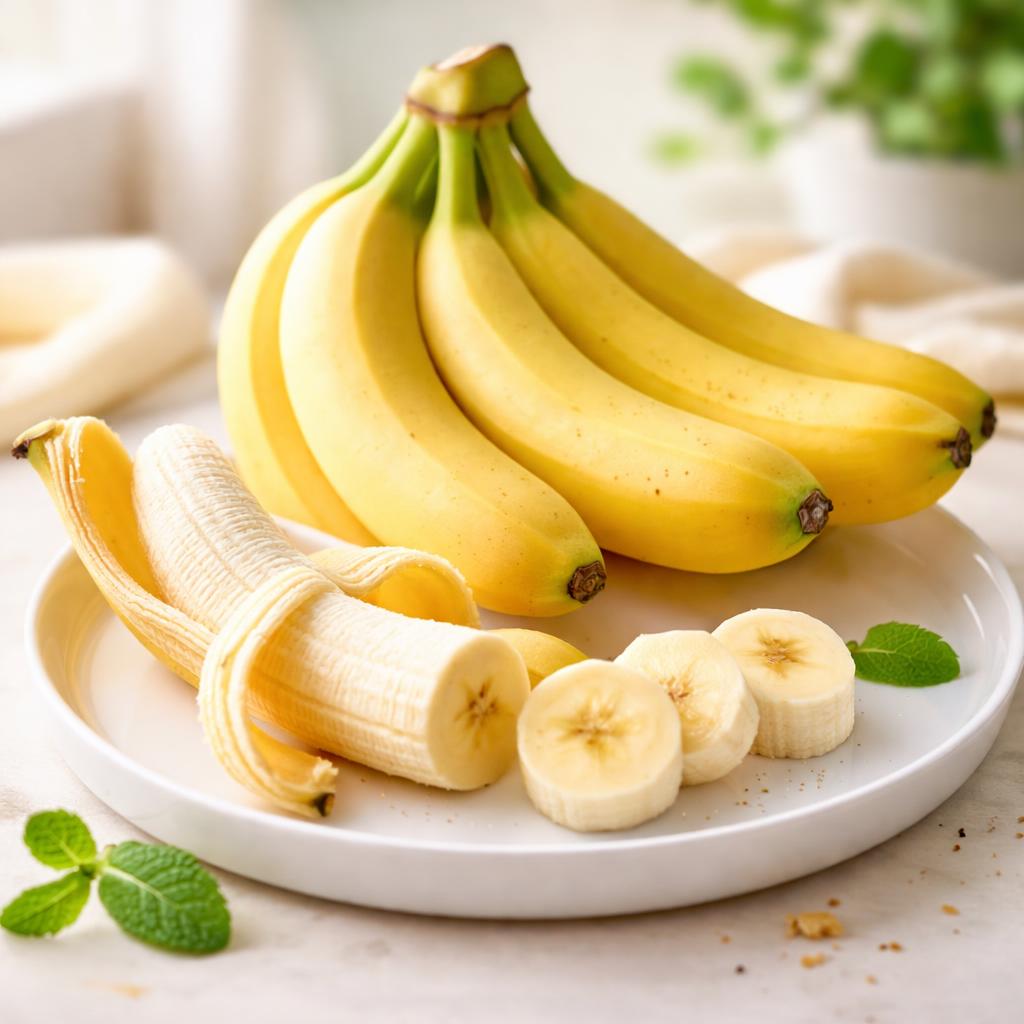
Banana
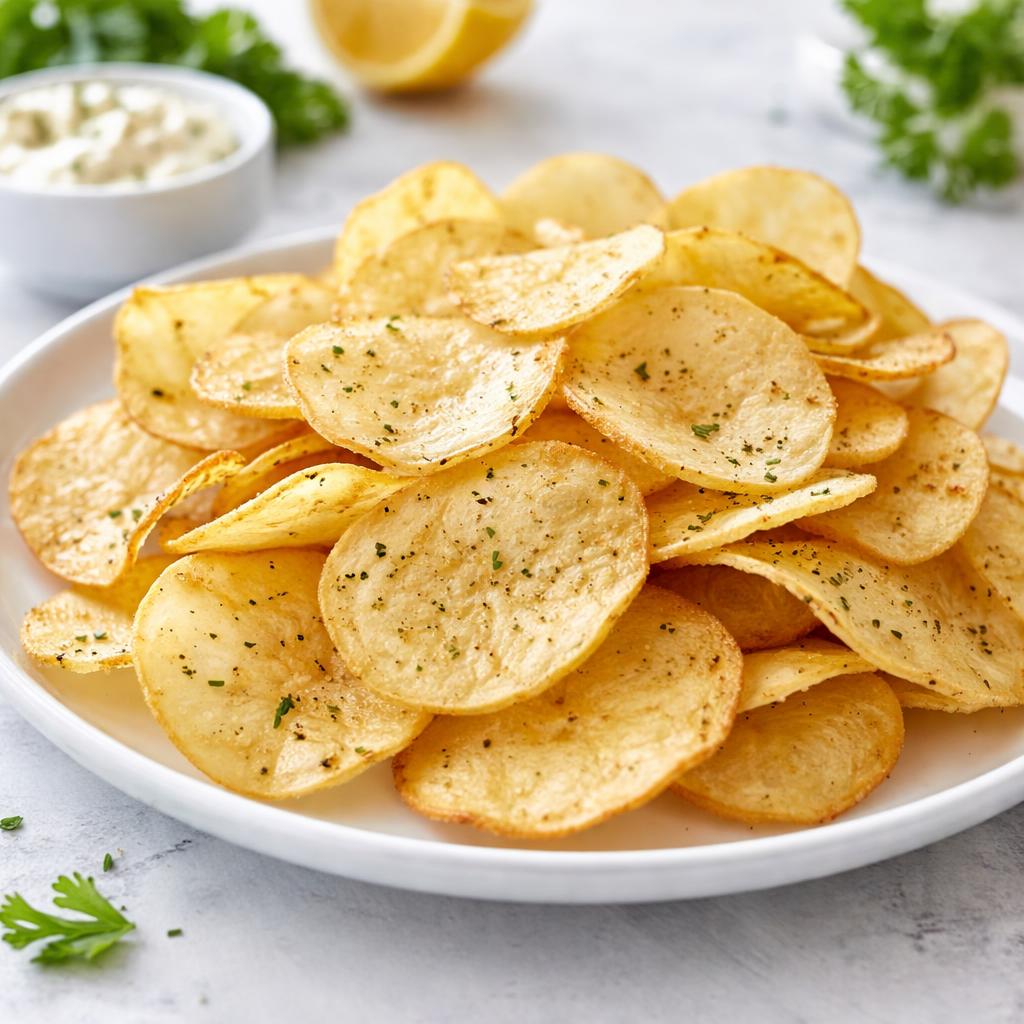
Potato Chips
🎯 Quick Verdict
Bananas and potato chips are vastly different in nutritional profiles. Bananas are lower in calories, provide natural sugars, fiber, and key vitamins, making them a healthier snack for sustained energy. Potato chips are higher in calories, fat, and sodium but offer quick energy and crunch, appealing for occasional indulgence in moderation.

Smart Nutrition Tracking with SnapCalorie

📊 Nutritional Comparison
Macronutrients
| Nutrient | Food 1 | Food 2 | Winner |
|---|---|---|---|
| Calories | 105 | 150 | ✓ |
| Protein | 1.3g | 1.3g | − |
| Carbs | 27g | 15g | ✓ |
| Fat | 0.3g | 10g | ✓ |
| Fiber | 3.1g | 1g | ✓ |
Vitamins & Minerals
| Nutrient | Food 1 | Food 2 | Winner |
|---|---|---|---|
| Vitamin C | 10mg | 0mg | ✓ |
| Vitamin B6 | 0.4mg | 0.1mg | ✓ |
| Potassium | 422mg | 275mg | ✓ |
🏆 Category Winners
Protein
Both have the same amount of protein (1.3g per serving).
Fiber
Bananas provide more dietary fiber, with 3.1g compared to 1g in potato chips.
Calories
Bananas contain 30% fewer calories than potato chips per serving.
Vitamins
Bananas are a better source of vitamin C, B6, and potassium, vital for overall health.
🥗 Diet Compatibility
Keto
Food 1: Not Compatible
Food 2: Not Compatible
Both are high-carb and unsuitable for keto diets.
Vegan
Food 1: Compatible
Food 2: Compatible
Both foods are plant-based and vegan-friendly.
Gluten Free
Food 1: Compatible
Food 2: Varies
Bananas are naturally gluten-free; potato chips may vary based on flavor and processing.
Paleo
Food 1: Compatible
Food 2: Not Compatible
Bananas fit paleo diets, while potato chips are processed and not suitable.
Low Carb
Food 1: Not Compatible
Food 2: Not Compatible
Both foods exceed typical carbohydrate limits for low-carb diets.
💪 Health Benefits Comparison
Food 1 Benefits
- Rich in potassium, supporting heart health and proper muscle function.
- Contains fiber for digestion and satiety.
- Provides natural sugars for sustained energy.
- Packed with vitamin B6 and C for immune support and mood regulation.
Food 2 Benefits
- Contains quick-digesting carbohydrates for immediate energy.
- Provides some potassium for electrolyte balance.
- Crunchy texture satisfies cravings in moderation.
- Can supply calories for high-energy demands when hiking or traveling.
✅ The Bottom Line
Bananas are a nutrient-dense snack, ideal for health-conscious individuals or as a pre-workout energy source. Potato chips, while less nutritious, can satisfy cravings or provide quick energy in moderation. Bananas are better for day-to-day snacking and maintaining a balanced diet; potato chips are best enjoyed occasionally.
Choose Food 1 for: Daily snacking, fitness goals, digestion health.
Choose Food 2 for: Occasional indulgence, quick energy during activities, satisfying cravings.


