Banana VS Pineapple Smoothie
A detailed nutritional comparison
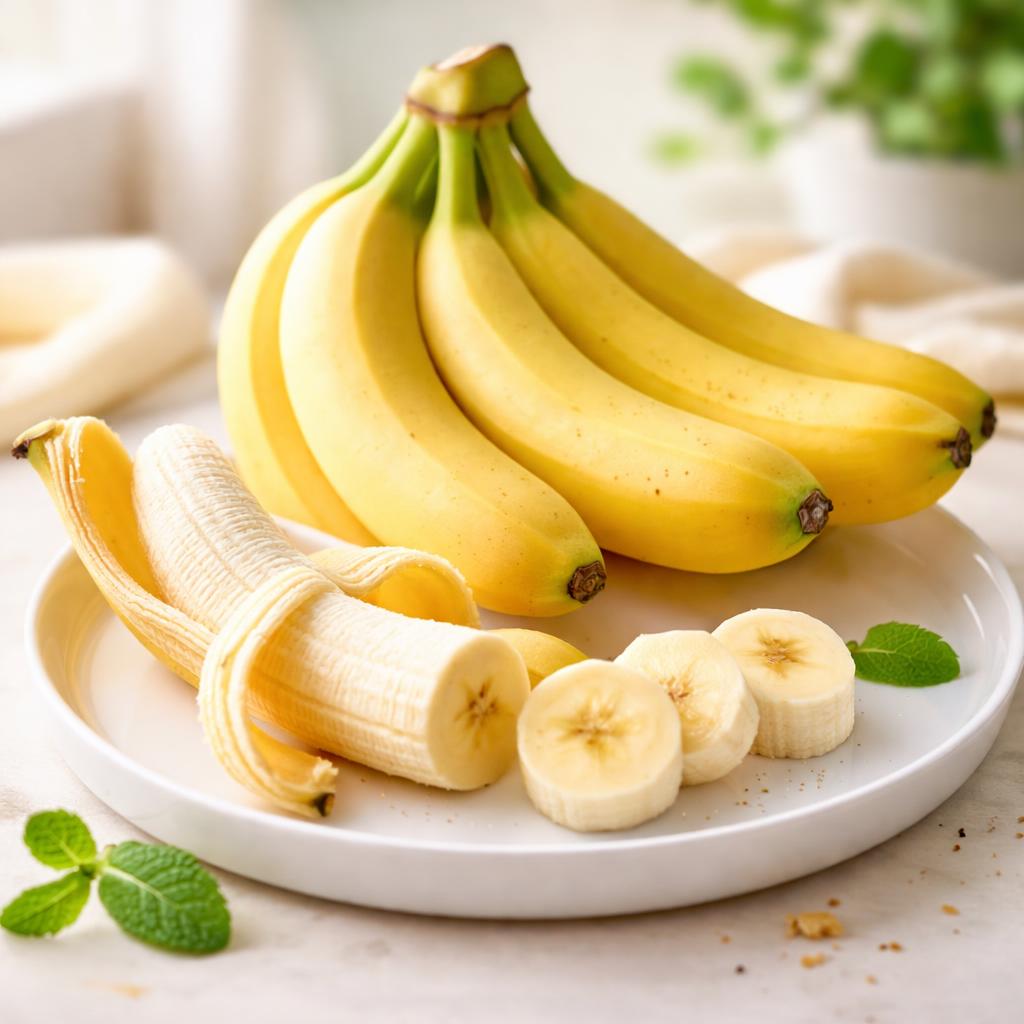
Banana
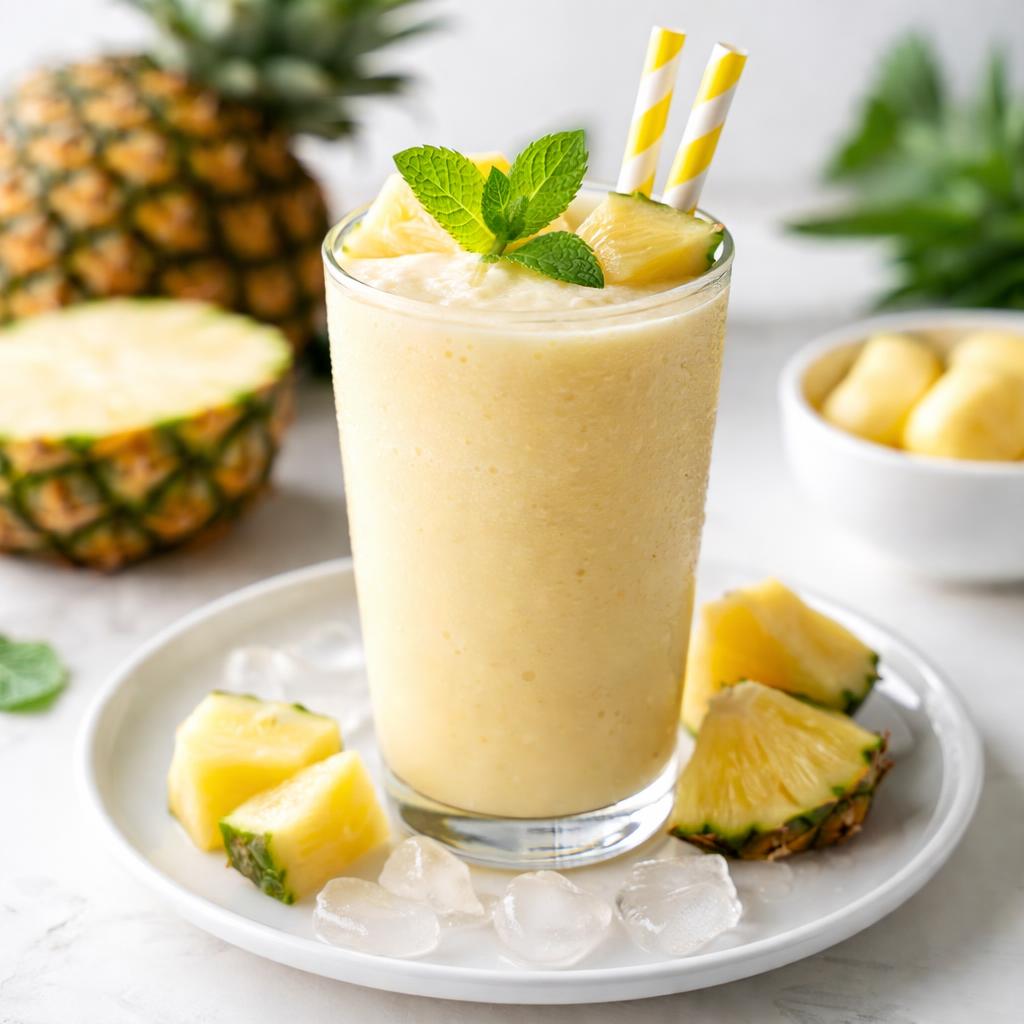
Pineapple Smoothie
🎯 Quick Verdict
Bananas and pineapple smoothies are both nutrient-dense, fruit-based options, but they serve distinct purposes. Bananas are lower in calories and higher in fiber, making them ideal for digestion and weight control. Pineapple smoothies are more hydrating and nutrient-dense but contain more calories and sugars, often from added ingredients like yogurt or juice. Choose bananas for a quick, healthy snack and smoothies for energy or as a meal replacement.

Smart Nutrition Tracking with SnapCalorie

📊 Nutritional Comparison
Macronutrients
| Nutrient | Food 1 | Food 2 | Winner |
|---|---|---|---|
| Calories | 89 | 150 | ✓ |
| Protein | 1.1g | 1g | − |
| Carbs | 23g | 38g | ✓ |
| Fat | 0.3g | 1.5g | ✓ |
| Fiber | 2.6g | 1g | ✓ |
Vitamins & Minerals
| Nutrient | Food 1 | Food 2 | Winner |
|---|---|---|---|
| Vitamin C | 10.3mg | 42mg | ✓ |
| Vitamin A | 76IU | 58IU | ✓ |
| Potassium | 358mg | 150mg | ✓ |
🏆 Category Winners
Protein
Both have similar protein content (around 1g per serving).
Fiber
Bananas provide over twice the fiber content of pineapple smoothies.
Calories
Bananas are significantly lower in calories compared to smoothies.
Vitamins
Pineapple smoothies have higher Vitamin C content.
🥗 Diet Compatibility
Keto
Food 1: Not Compatible
Food 2: Not Compatible
Both are high in carbs, exceeding keto-friendly limits.
Vegan
Food 1: Compatible
Food 2: Compatible
Both are plant-based if the smoothie excludes dairy.
Gluten Free
Food 1: Compatible
Food 2: Compatible
Neither food contains gluten.
Paleo
Food 1: Compatible
Food 2: May Be Compatible
Bananas are paleo-friendly; smoothies may vary depending on added ingredients.
Low Carb
Food 1: Not Compatible
Food 2: Not Compatible
Both are high in carbohydrates, not suitable for low-carb diets.
💪 Health Benefits Comparison
Food 1 Benefits
- Rich in potassium for heart health and muscle function
- Provides fiber to support digestion and gut health
- Low-calorie option for weight management
Food 2 Benefits
- High in Vitamin C for immune system support and skin health
- Hydrating and replenishing due to its water content
- Rich in natural antioxidants that reduce inflammation
✅ The Bottom Line
Bananas are great for a portable, low-calorie snack and digestion support, while pineapple smoothies are ideal for hydration, energy, and a nutrient boost. Choose bananas for weight management and convenience, and opt for smoothies post-workout or as part of a balanced meal.
Choose Food 1 for: Weight loss, quick snacks, digestion
Choose Food 2 for: Energy boost, hydration, post-workout recovery


