Banana VS Pineapple
A detailed nutritional comparison
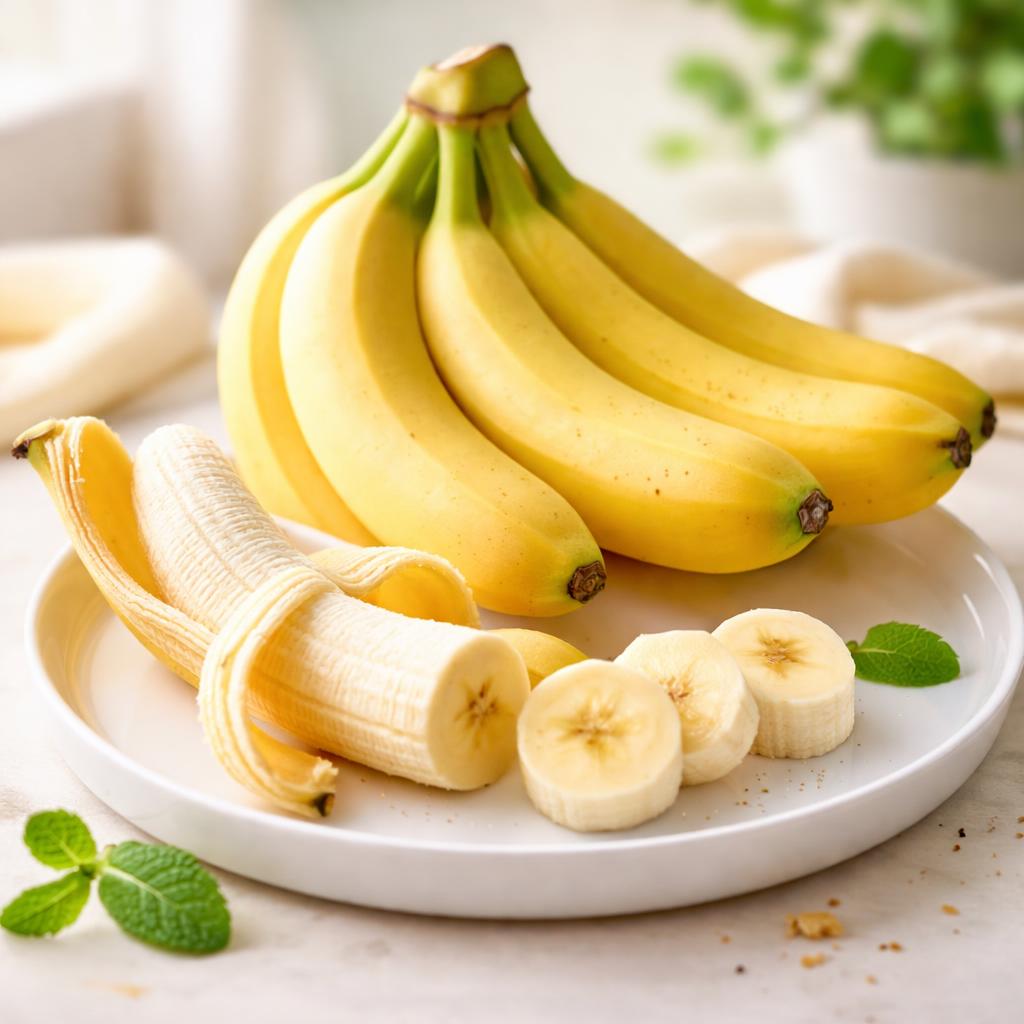
Banana
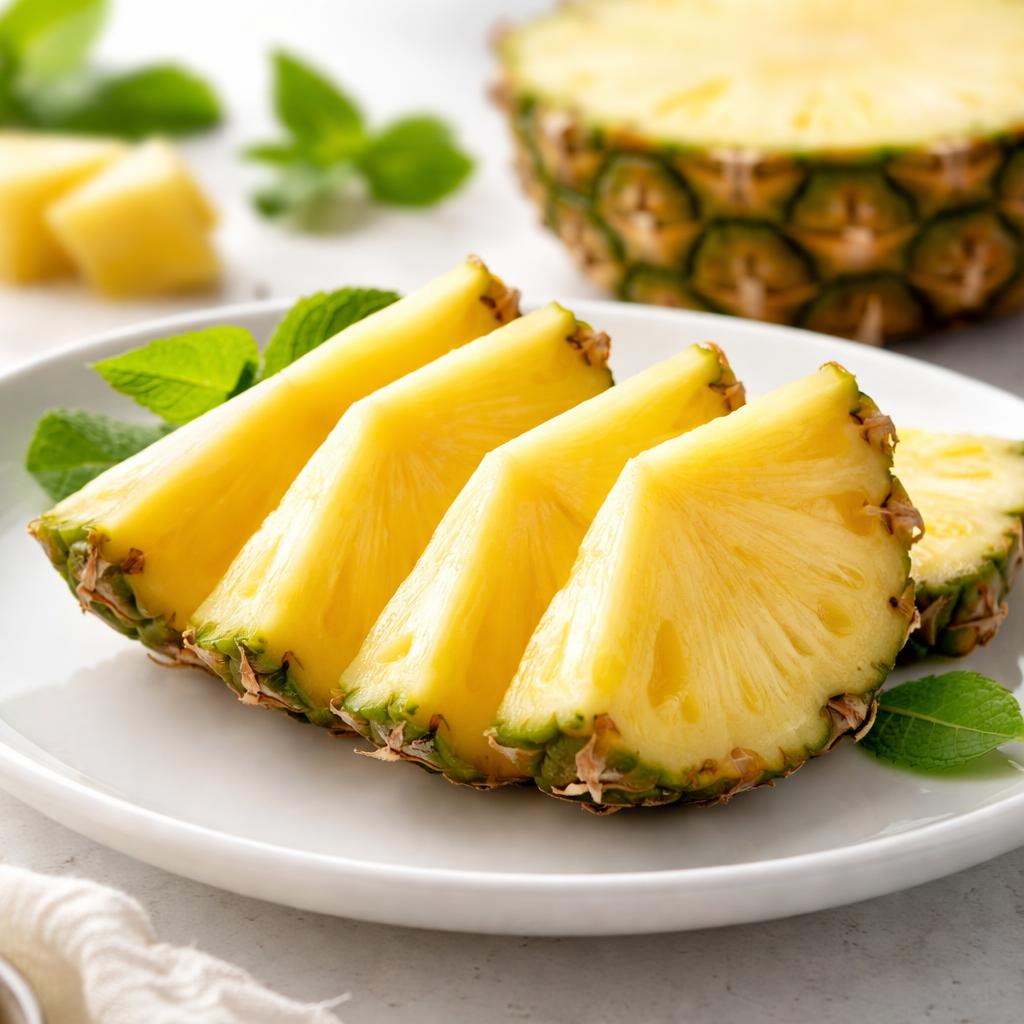
Pineapple
🎯 Quick Verdict
Bananas are lower in calories and offer more protein and fiber compared to pineapple, making them a better option for a satiating snack. Pineapples are packed with vitamin C and antioxidants, ideal for immune support and overall vitality. Both are great for a healthy diet depending on your specific needs.

Smart Nutrition Tracking with SnapCalorie

📊 Nutritional Comparison
Macronutrients
| Nutrient | Food 1 | Food 2 | Winner |
|---|---|---|---|
| Calories | 89 | 50 | ✓ |
| Protein | 1.1g | 0.5g | ✓ |
| Carbs | 22.8g | 13.1g | ✓ |
| Fat | 0.3g | 0.1g | ✓ |
| Fiber | 2.6g | 1.4g | ✓ |
Vitamins & Minerals
| Nutrient | Food 1 | Food 2 | Winner |
|---|---|---|---|
| Vitamin C | 8.7mg | 47.8mg | ✓ |
| Vitamin B6 | 0.4mg | 0.1mg | ✓ |
| Magnesium | 27mg | 12mg | ✓ |
🏆 Category Winners
Protein
Banana offers over twice as much protein per serving compared to pineapple.
Fiber
Banana contains nearly double the fiber, supporting better digestion.
Calories
Pineapple has 43% fewer calories than banana per serving.
Vitamins
Pineapple excels in vitamin C content, providing over 5 times more than banana.
🥗 Diet Compatibility
Keto
Food 1: Not Compatible
Food 2: Not Compatible
Both foods are high in carbs and unsuitable for ketogenic diets.
Vegan
Food 1: Compatible
Food 2: Compatible
Both are plant-based and vegan-friendly.
Gluten Free
Food 1: Compatible
Food 2: Compatible
Neither contains gluten, making them safe for gluten-free diets.
Paleo
Food 1: Compatible
Food 2: Compatible
Both are whole, natural fruits suitable for paleo diets.
Low Carb
Food 1: Not Compatible
Food 2: Not Compatible
Both foods are too high in carbohydrates for strict low-carb diets.
💪 Health Benefits Comparison
Food 1 Benefits
- Good source of natural energy from complex carbohydrates
- Contains potassium which supports heart health and blood pressure regulation
- Provides fiber for improved digestion
Food 2 Benefits
- High in vitamin C for immune system support and skin health
- Rich in antioxidants that combat free radicals
- Contains bromelain, an enzyme that aids digestion and reduces inflammation
✅ The Bottom Line
Bananas are better suited for sustained energy, digestion, and as a more filling snack due to their higher protein and fiber. Pineapples shine in vitamin C and antioxidants, making them ideal for immune support and overall vitality. Select bananas for pre-workout snacks or hunger relief, while pineapples excel in refreshing dishes or boosting nutrient intake.
Choose Food 1 for: Sustained energy, digestion, pre-workout snacks
Choose Food 2 for: Immune support, inflammation reduction, refreshing meals


