Banana VS Peach
A detailed nutritional comparison
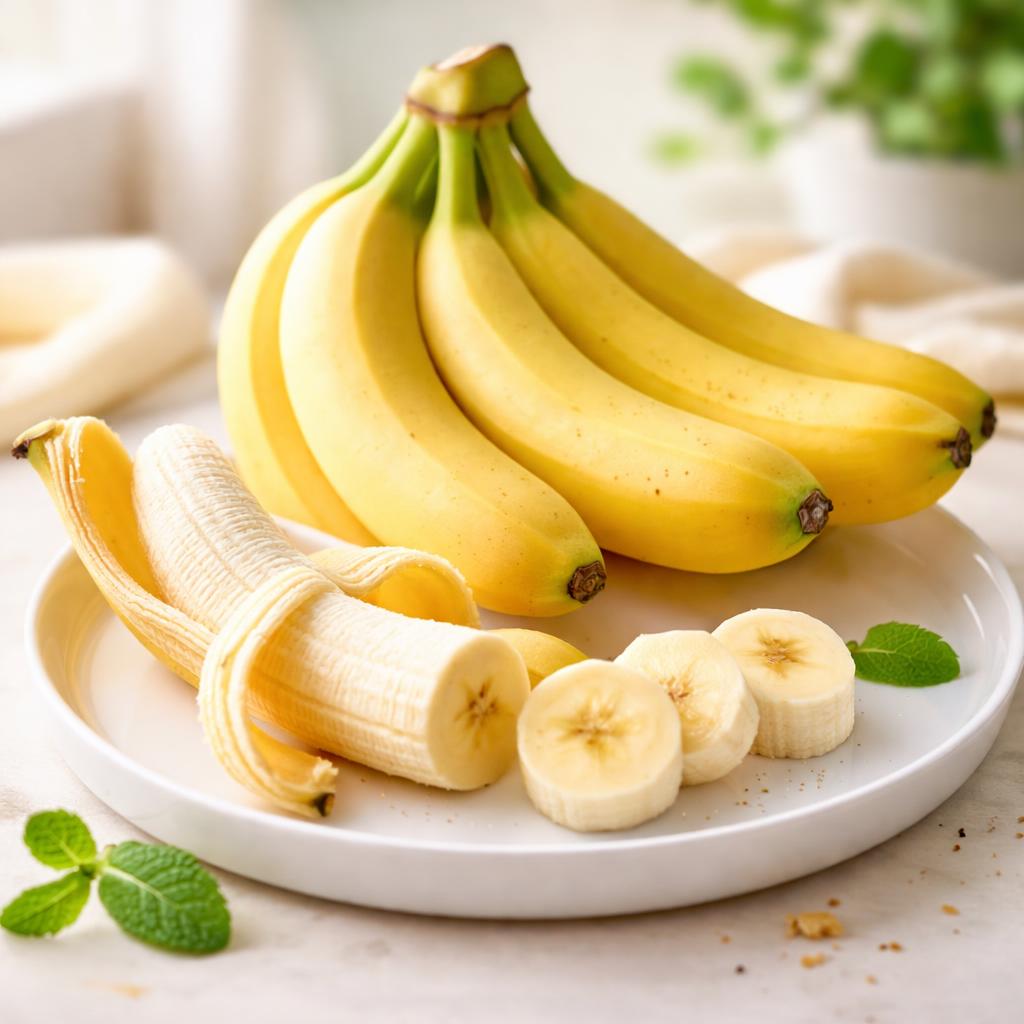
Banana
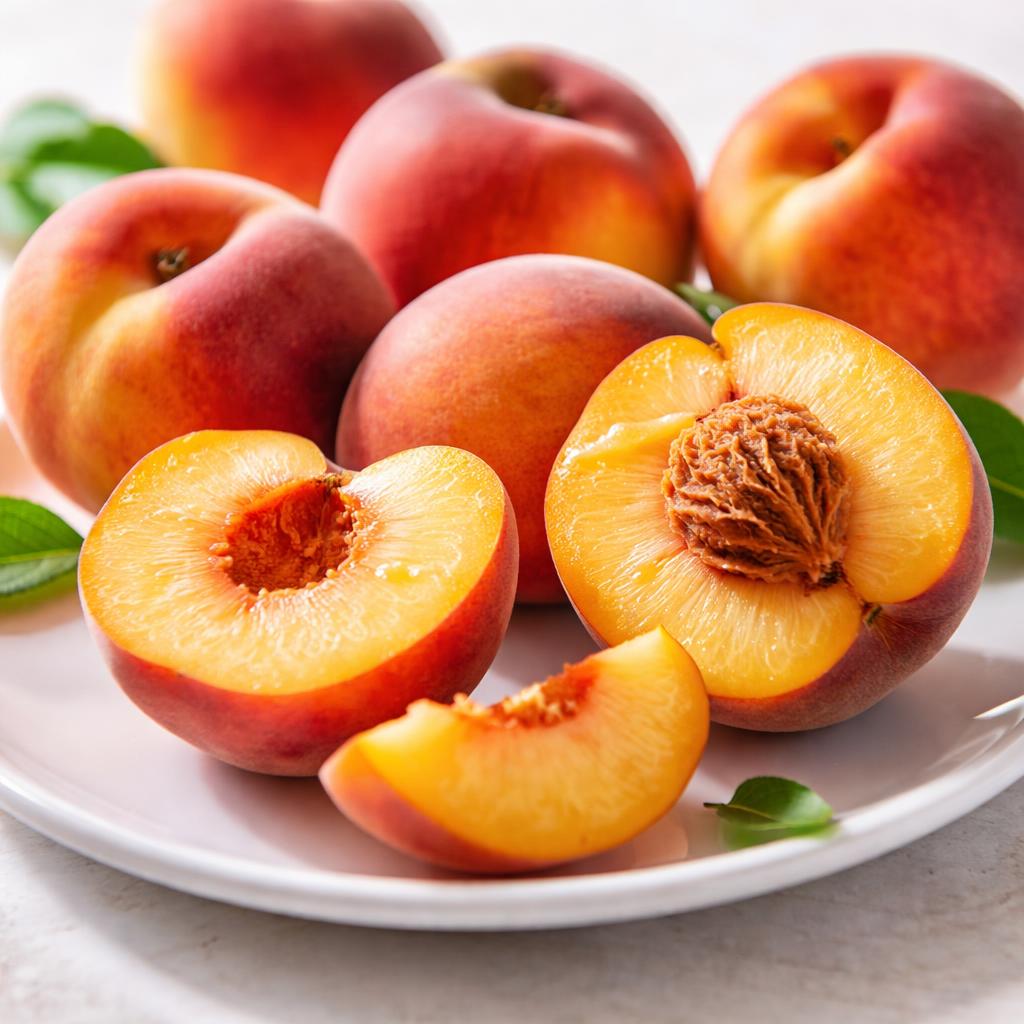
Peach
🎯 Quick Verdict
Bananas and peaches are both nutrient-dense fruits, but bananas edge ahead with higher fiber and slightly more vitamins like potassium and vitamin C. Peaches have fewer calories and provide a refreshing option for lighter snacks or desserts. Bananas are ideal for sustained energy and digestive benefits, while peaches offer hydration and antioxidant properties.

Smart Nutrition Tracking with SnapCalorie

📊 Nutritional Comparison
Macronutrients
| Nutrient | Food 1 | Food 2 | Winner |
|---|---|---|---|
| Calories | 105 | 59 | ✓ |
| Protein | 1.3g | 1.0g | − |
| Carbs | 27g | 14g | ✓ |
| Fat | 0.3g | 0.1g | ✓ |
| Fiber | 3.1g | 2.0g | ✓ |
Vitamins & Minerals
| Nutrient | Food 1 | Food 2 | Winner |
|---|---|---|---|
| Vitamin C | 10.3mg | 6.6mg | ✓ |
| Potassium | 422mg | 290mg | ✓ |
| Vitamin A | 76IU | 489IU | ✓ |
🏆 Category Winners
Protein
Both banana and peach contain similar amounts of protein (within ~0.3g difference).
Fiber
Banana provides 55% more fiber, aiding digestion and satiety.
Calories
Peach is lower in calories, making it a lighter choice.
Vitamins
Banana is richer in Vitamin C and potassium, while peach excels in Vitamin A.
🥗 Diet Compatibility
Keto
Food 1: Not Compatible
Food 2: Not Compatible
Both are high-carb fruits and unsuitable for strict ketogenic diets.
Vegan
Food 1: Compatible
Food 2: Compatible
Both fruits are plant-based and suitable for vegans.
Gluten Free
Food 1: Compatible
Food 2: Compatible
Neither contains gluten or gluten derivatives.
Paleo
Food 1: Compatible
Food 2: Compatible
Both fit the paleo diet as whole, unprocessed fruits.
Low Carb
Food 1: Not Compatible
Food 2: Not Compatible
Both have moderate to high carbohydrate content (14-27g per serving).
💪 Health Benefits Comparison
Food 1 Benefits
- Excellent source of potassium for heart and muscle health
- High in soluble fiber for improved digestion
- Provides sustained energy due to natural sugars
Food 2 Benefits
- Rich in antioxidants, including Vitamin A, for eye health
- Low calorie and hydrating, supporting weight management
- Good source of Vitamin C to boost immune function
✅ The Bottom Line
Bananas are better for those seeking higher fiber, sustained energy, and potassium-rich snacks, especially for active lifestyles. Peaches, with their lower calorie count and refreshing qualities, are ideal for lighter meals, hydration, and antioxidant boosts. Both fruits are excellent additions to a balanced diet.
Choose Food 1 for: Active individuals, digestion, sustained energy needs
Choose Food 2 for: Low-calorie diets, hydration, antioxidant support


