Banana VS Overnight Oats
A detailed nutritional comparison
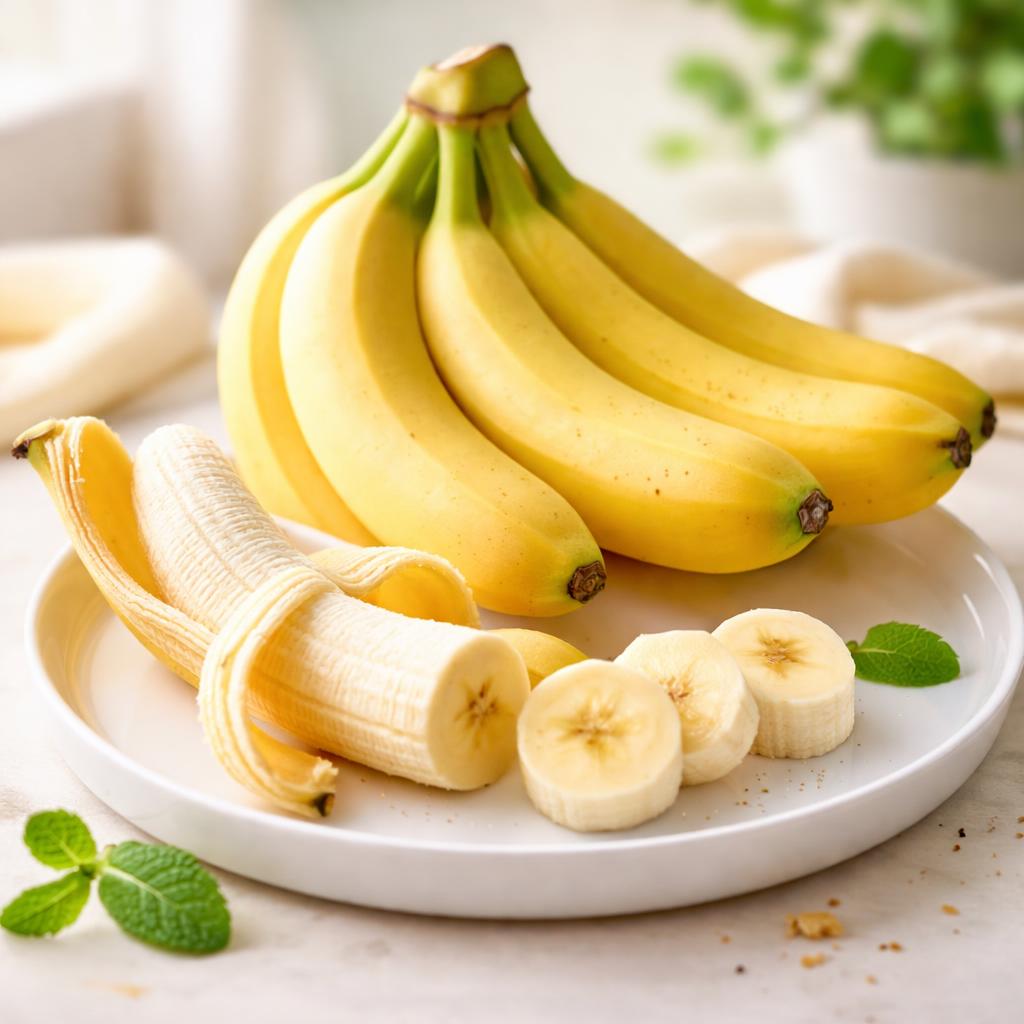
Banana
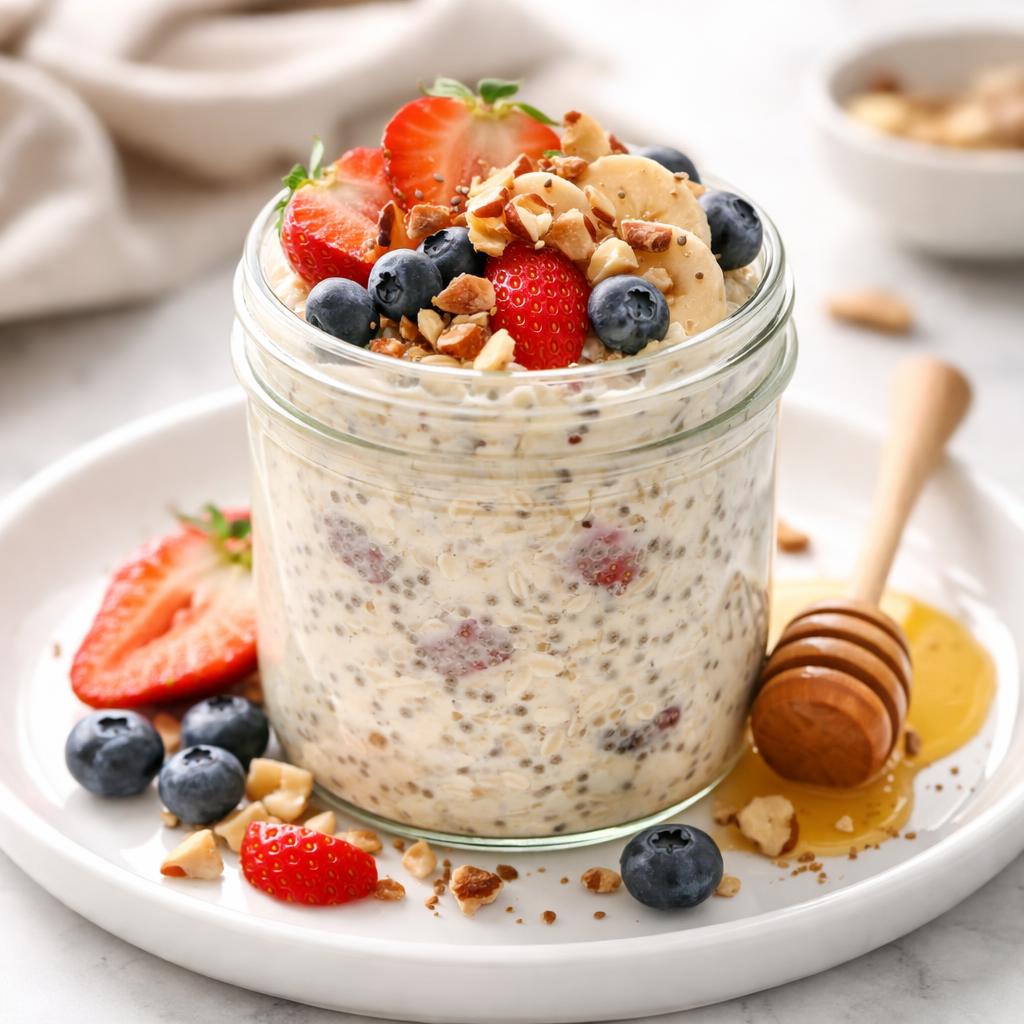
Overnight Oats
🎯 Quick Verdict
Bananas are lower in calories and provide quick energy due to their natural sugars. Overnight oats offer higher protein and fiber, making them more suitable for sustained energy and satiety. Choose bananas for a quick snack or oats for a nutrient-dense breakfast or meal replacement.

Smart Nutrition Tracking with SnapCalorie

📊 Nutritional Comparison
Macronutrients
| Nutrient | Food 1 | Food 2 | Winner |
|---|---|---|---|
| Calories | 105 | 250 | ✓ |
| Protein | 1.3g | 10g | ✓ |
| Carbs | 27g | 38g | ✓ |
| Fat | 0.3g | 6g | ✓ |
| Fiber | 3g | 8g | ✓ |
Vitamins & Minerals
| Nutrient | Food 1 | Food 2 | Winner |
|---|---|---|---|
| Vitamin C | 10.3mg | 0mg | ✓ |
| Vitamin D | 0mcg | 1mcg | ✓ |
| Calcium | 5mg | 150mg | ✓ |
| Iron | 0.3mg | 2mg | ✓ |
🏆 Category Winners
Protein
Overnight oats contain nearly 8x the protein compared to bananas.
Fiber
Overnight oats provide more than double the fiber per serving, promoting satiety.
Calories
Bananas are lower in calories, making them ideal for a quick, light snack.
Vitamins
Overnight oats offer higher levels of calcium, iron, and vitamin D, which support bone health.
🥗 Diet Compatibility
Keto
Food 1: Not Compatible
Food 2: Not Compatible
Both are high in carbohydrates and not suitable for a ketogenic diet.
Vegan
Food 1: Compatible
Food 2: Compatible
Both foods are plant-based and vegan friendly.
Gluten Free
Food 1: Compatible
Food 2: Conditionally Compatible
Food2 can be gluten-free if using certified gluten-free oats.
Paleo
Food 1: Compatible
Food 2: Not Compatible
Bananas align with paleo guidelines, but oats do not.
Low Carb
Food 1: Not Compatible
Food 2: Not Compatible
Both foods are high in carbohydrates and unsuitable for low-carb diets.
💪 Health Benefits Comparison
Food 1 Benefits
- Rich in potassium to support heart health and muscle function
- Contains Vitamin C for immune support
- Provides fast-acting carbohydrates for quick energy
Food 2 Benefits
- High in protein for muscle repair and maintenance
- Contains fiber to promote digestive health and satiety
- Rich in calcium and iron for bone and blood health
✅ The Bottom Line
Bananas are ideal for quick energy or a light snack, while overnight oats are better for sustained energy and satiety due to their higher protein and fiber content. Both foods are nutrient-dense, but oats provide more minerals for long-term health benefits.
Choose Food 1 for: Quick snack, post-workout energy, paleo diets
Choose Food 2 for: Breakfast meal, high-protein diets, sustained energy


