Banana VS Oats
A detailed nutritional comparison
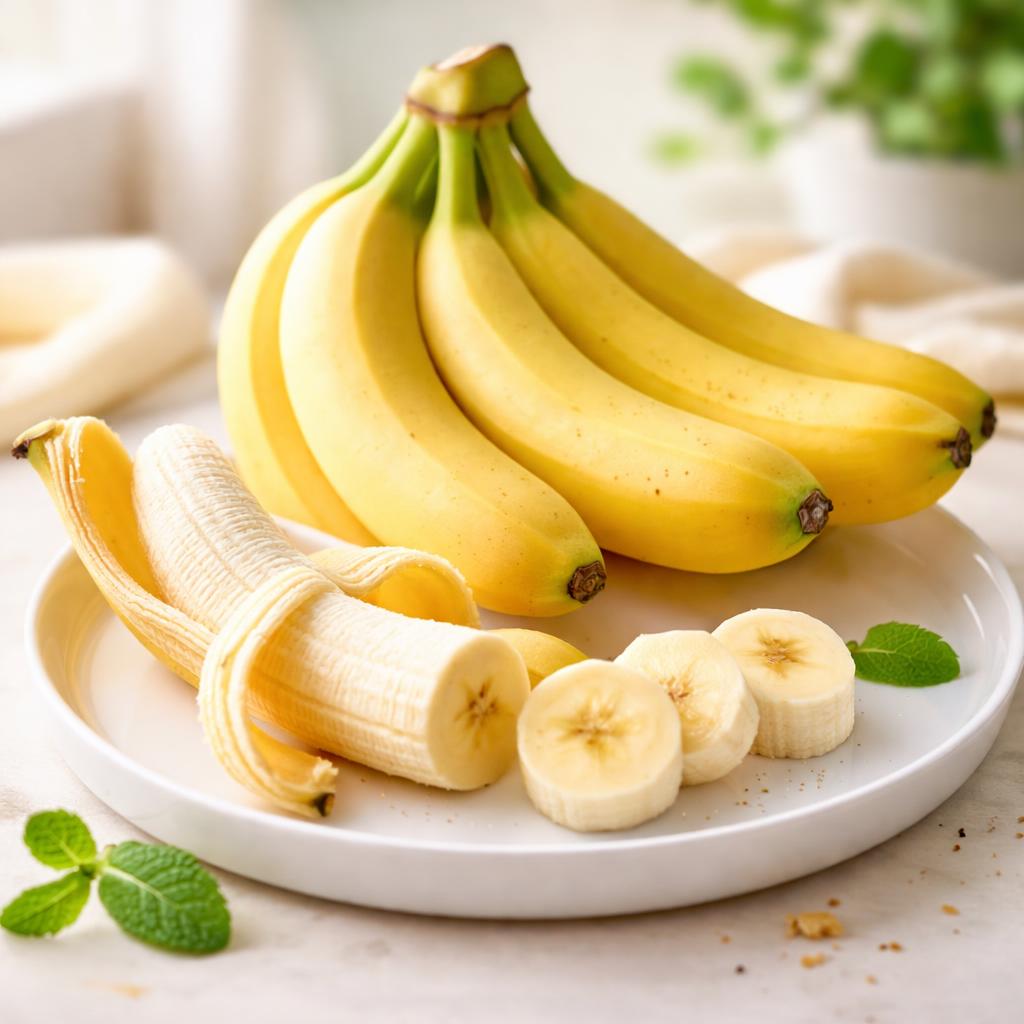
Banana
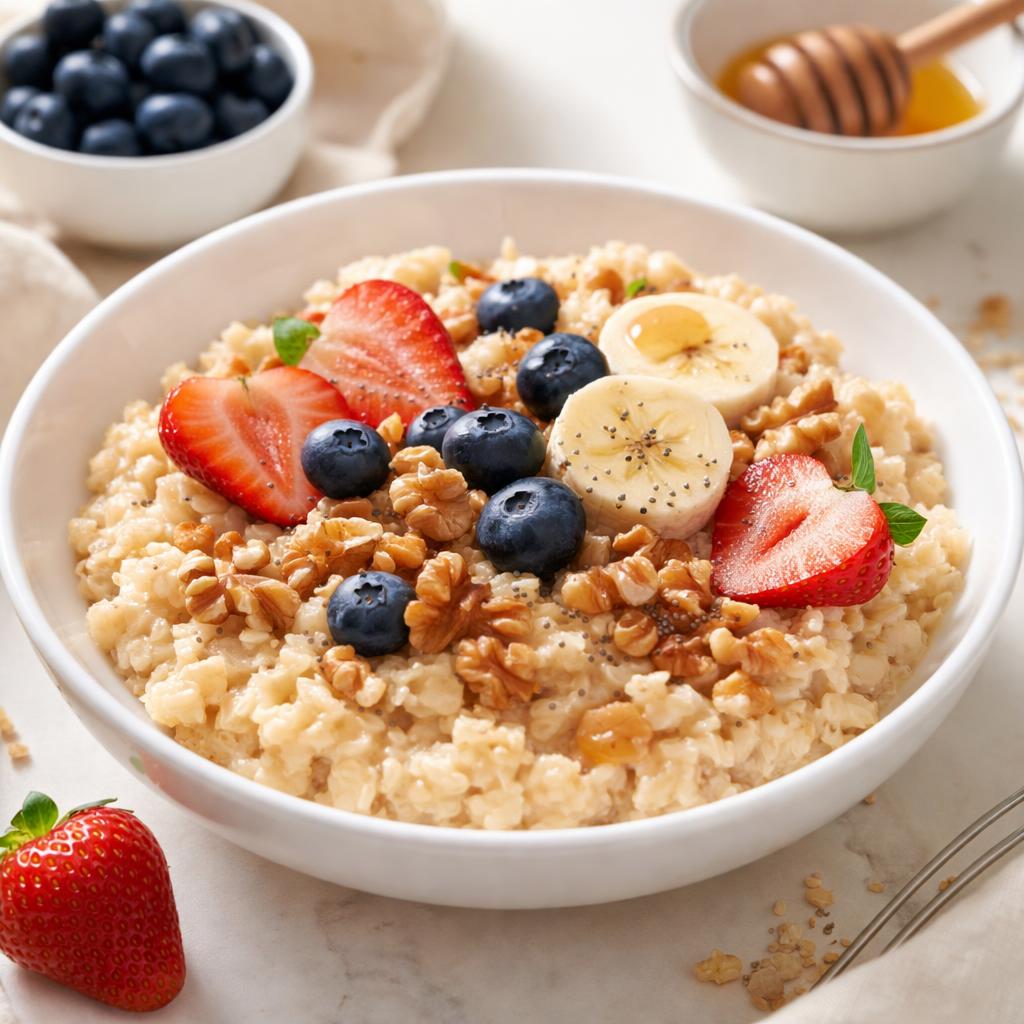
Oats
🎯 Quick Verdict
Oats are nutritionally denser than bananas due to their higher levels of protein, fiber, and key vitamins such as iron and magnesium, making them ideal for sustained energy. Bananas, however, are lower in calories and high in potassium and quick-digesting carbs, making them a great option for pre-workout energy boosts or light snacks.

Smart Nutrition Tracking with SnapCalorie

📊 Nutritional Comparison
Macronutrients
| Nutrient | Food 1 | Food 2 | Winner |
|---|---|---|---|
| Calories | 105 (medium banana) | 154 (1/2 cup oats) | ✓ |
| Protein | 1.3g | 5.5g | ✓ |
| Carbs | 27g | 27g | − |
| Fat | 0.3g | 2.5g | ✓ |
| Fiber | 3.1g | 4g | ✓ |
Vitamins & Minerals
| Nutrient | Food 1 | Food 2 | Winner |
|---|---|---|---|
| Potassium | 422mg | 154mg | ✓ |
| Magnesium | 32mg | 69mg | ✓ |
| Iron | 0.3mg | 1.7mg | ✓ |
| Vitamin B6 | 0.4mg | 0.1mg | ✓ |
🏆 Category Winners
Protein
Oats have 4 times more protein than bananas per serving.
Fiber
Oats provide 29% more fiber than bananas.
Calories
Bananas are lower in calories compared to oats.
Vitamins
Oats win overall for their higher magnesium and iron content, though bananas excel in potassium and vitamin B6.
🥗 Diet Compatibility
Keto
Food 1: Not compatible
Food 2: Not compatible
Both are high-carb foods and not recommended for keto diets.
Vegan
Food 1: Compatible
Food 2: Compatible
Both foods are plant-based and suitable for vegan diets.
Gluten Free
Food 1: Compatible
Food 2: Conditionally Compatible
Bananas are naturally gluten-free; oats can be gluten-free if labeled accordingly.
Paleo
Food 1: Compatible
Food 2: Not compatible
Bananas fit a paleo diet, but oats are not allowed in strict paleo due to their grain composition.
Low-Carb
Food 1: Not compatible
Food 2: Not compatible
Both are high-carb foods and do not fit low-carb diets.
💪 Health Benefits Comparison
Food 1 Benefits
- Rich in potassium for heart health and muscle function
- Provides quick-digesting carbs for energy boosts
- Contains vitamin B6 for brain function and hormone regulation
- Low-calorie snack option for weight management
Food 2 Benefits
- Higher protein content supports muscle repair and development
- Good source of fiber promoting digestion and gut health
- Rich in iron for improved oxygen transport in the body
- Provides sustained energy through complex carbohydrates
✅ The Bottom Line
Bananas are better for quick energy boosts, pre-workout snacks, or those seeking a low-calorie option rich in potassium. Oats are ideal for nutrient-dense breakfasts, sustained energy, and those looking to increase protein and fiber intake.
Choose Food 1 for: Pre-workout energy, light snacks, potassium boost
Choose Food 2 for: Sustained energy, muscle repair, fueling breakfasts


