Banana VS Mixed Melon
A detailed nutritional comparison
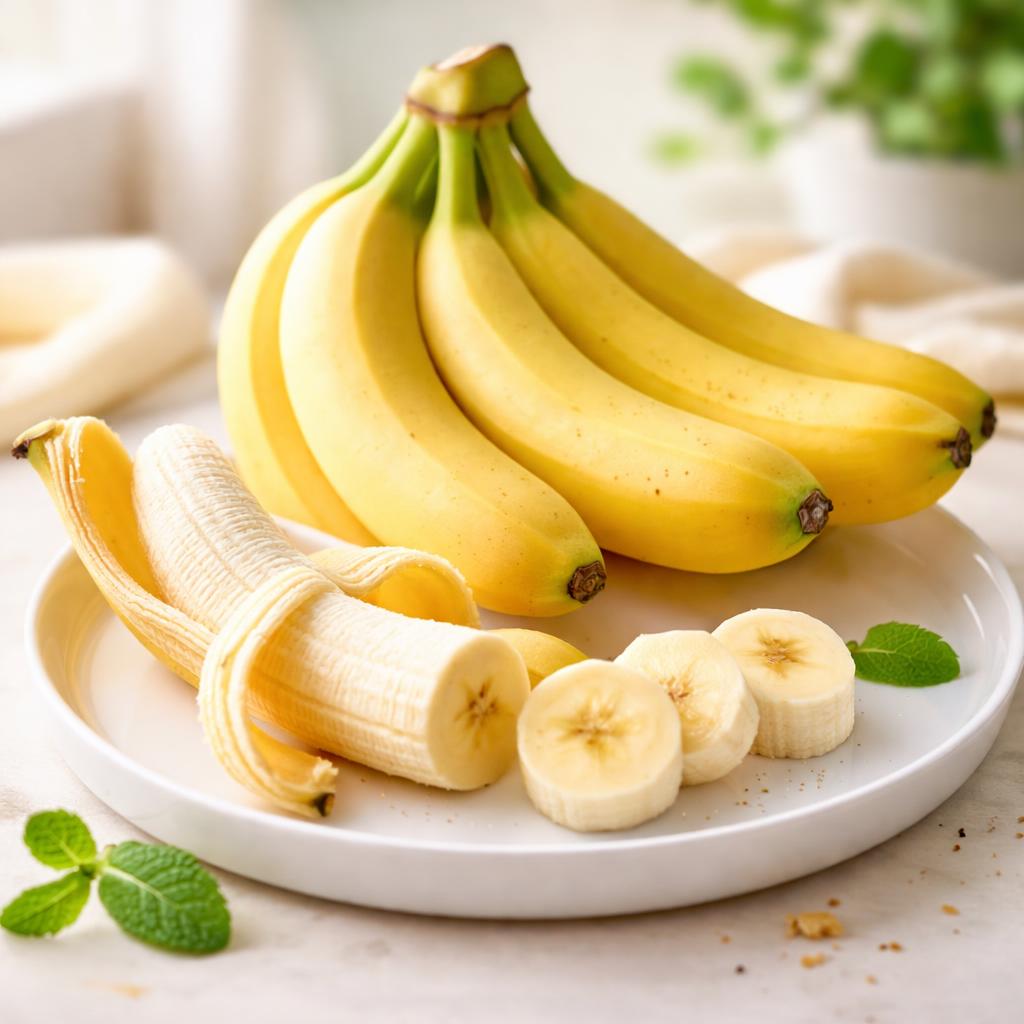
Banana
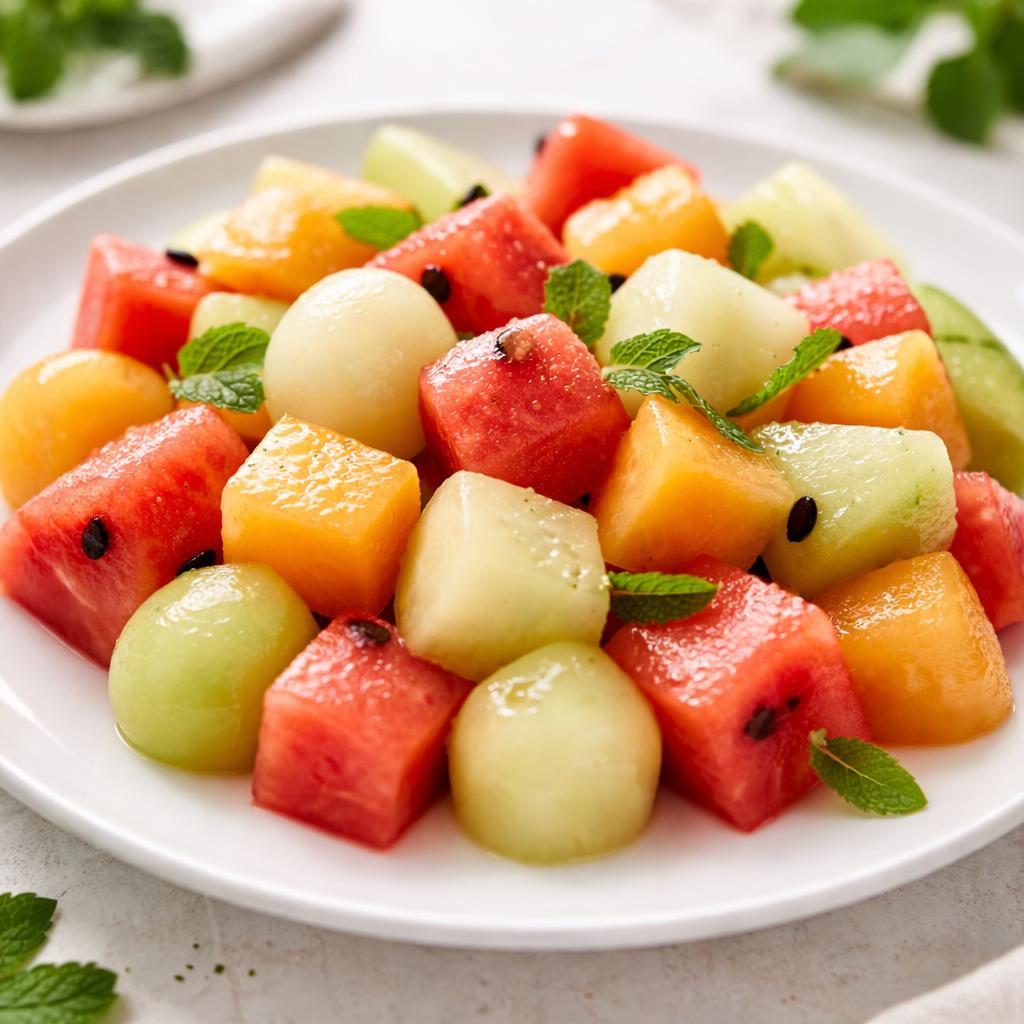
Mixed Melon
🎯 Quick Verdict
Bananas and mixed melons are both nutrient-packed fruits but differ in key areas. Bananas offer more protein and fiber, making them excellent for energy and digestion, while mixed melons are lower in carbohydrates and rich in vitamins A and C, ideal for hydration and immunity. They serve different functional purposes in diets, depending on your goals.

Smart Nutrition Tracking with SnapCalorie

📊 Nutritional Comparison
Macronutrients
| Nutrient | Food 1 | Food 2 | Winner |
|---|---|---|---|
| Calories | 89 | 86 | − |
| Protein | 1.1g | 0.8g | − |
| Carbs | 22.8g | 21.1g | − |
| Fat | 0.3g | 0.2g | − |
| Fiber | 2.6g | 0.9g | − |
Vitamins & Minerals
| Nutrient | Food 1 | Food 2 | Winner |
|---|---|---|---|
| Vitamin A | 64 IU | 590 IU | − |
| Vitamin C | 8.7mg | 36.7mg | − |
| Potassium | 358mg | 267mg | − |
🏆 Category Winners
Protein
Banana has 37.5% more protein per serving than mixed melon.
Fiber
Banana provides nearly 3x more fiber, aiding digestion.
Calories
Both foods offer similar caloric values (under 90 calories per serving).
Vitamins
Mixed melon is vastly richer in vitamins A and C (up to 6x more vitamin C).
🥗 Diet Compatibility
Keto
Food 1: Not Compatible
Food 2: Not Compatible
Both foods are relatively high in carbohydrates (20+g per serving).
Vegan
Food 1: Compatible
Food 2: Compatible
Both are plant-based and free of animal products.
Gluten Free
Food 1: Compatible
Food 2: Compatible
Neither contains gluten.
Paleo
Food 1: Compatible
Food 2: Compatible
Both foods fit into paleo diet guidelines as whole, unprocessed fruits.
Low-Carb
Food 1: Not Compatible
Food 2: Not Compatible
Neither food is considered low-carb due to high sugar content from natural fruit sources.
💪 Health Benefits Comparison
Food 1 Benefits
- Good source of potassium for heart health and muscle function
- High in fiber for digestive regularity
- Provides natural sugars for quick, sustained energy
Food 2 Benefits
- Rich in vitamin C for enhanced immunity
- Hydrating due to high water content (over 90% water)
- Contains antioxidants for anti-inflammatory benefits
✅ The Bottom Line
Choose bananas when you need a quick source of energy or more fiber for digestion. Mixed melons are better for hydration, immunity, and low-calorie snacking with a vitamin boost.
Choose Food 1 for: Digestion, post-workout energy, potassium boost
Choose Food 2 for: Hydration, low-calorie snacking, immunity support


