Banana VS Marmalade
A detailed nutritional comparison

Banana
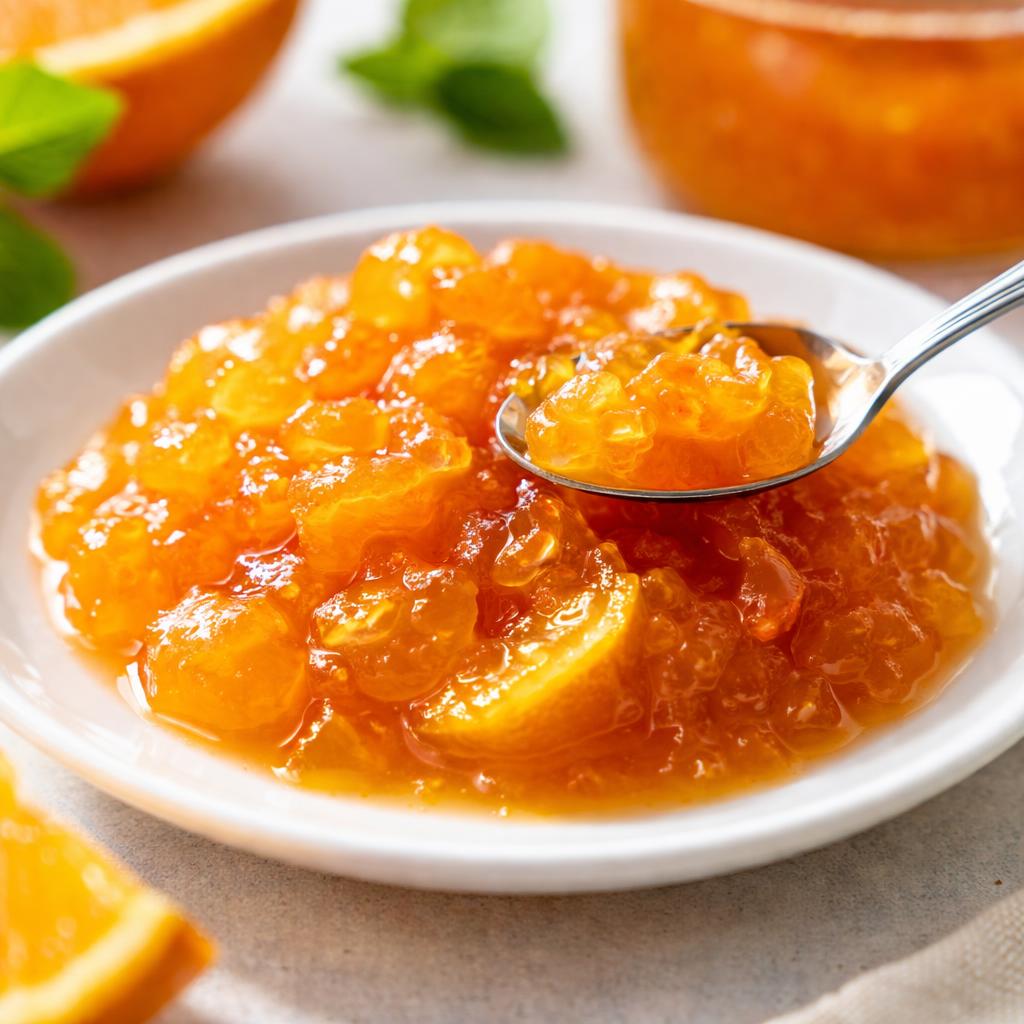
Marmalade
🎯 Quick Verdict
Bananas and marmalade differ significantly in nutrition. Bananas are nutrient-dense with higher protein, fiber, and vitamins, ideal for health-conscious diets. Marmalade has fewer calories, is mainly sugar-based, and serves as a quick energy source. Choose bananas for balanced nutrition or marmalade for a convenient sweet treat in moderation.

Smart Nutrition Tracking with SnapCalorie

📊 Nutritional Comparison
Macronutrients
| Nutrient | Food 1 | Food 2 | Winner |
|---|---|---|---|
| Calories | 105 | 50 | ✓ |
| Protein | 1.3g | 0g | ✓ |
| Carbs | 27g | 13g | ✓ |
| Fat | 0.3g | 0g | ✓ |
| Fiber | 3.1g | 0.1g | ✓ |
Vitamins & Minerals
| Nutrient | Food 1 | Food 2 | Winner |
|---|---|---|---|
| Vitamin C | 10.3mg | 5mg | ✓ |
| Potassium | 422mg | 12mg | ✓ |
| Vitamin A | 64IU | 50IU | ✓ |
🏆 Category Winners
Protein
Bananas contain 1.3g protein per serving, while marmalade has none.
Fiber
Bananas have 3.1g fiber per serving, significantly higher than marmalade.
Calories
Marmalade has 50 calories per serving, nearly half that of bananas.
🥗 Diet Compatibility
Keto
Food 1: Not Compatible
Food 2: Not Compatible
Both are high-carb and unsuitable for keto diets.
Vegan
Food 1: Compatible
Food 2: Compatible
Neither contains animal products.
Gluten Free
Food 1: Compatible
Food 2: Compatible
No gluten present in either food.
Paleo
Food 1: Compatible
Food 2: Not Compatible
Bananas are paleo-friendly; marmalade often contains processed sugar.
Low-Carb
Food 1: Not Compatible
Food 2: Not Compatible
Both exceed typical low-carb thresholds.
💪 Health Benefits Comparison
Food 1 Benefits
- Rich in potassium to support heart and muscle health
- Provides dietary fiber to improve digestion
- Contains vitamin C for immune function and skin health
- Low fat, ideal for weight management
Food 2 Benefits
- Quick energy source due to high sugar content
- Contains traces of vitamin C for immune support
- Low calorie option compared to other sweet spreads
- Suitable for occasional indulgence in a balanced diet
✅ The Bottom Line
Bananas are the better choice for overall nutrition, offering protein, fiber, and vitamins while supporting sustained energy and health. Marmalade, while lower in calories, is primarily sugar and best used sparingly as a topping or treat.
Choose Food 1 for: Balanced diets, snacks, digestion support, immune health
Choose Food 2 for: Light calories, quick energy, sweet flavor in moderation


