Banana VS Lumpia
A detailed nutritional comparison
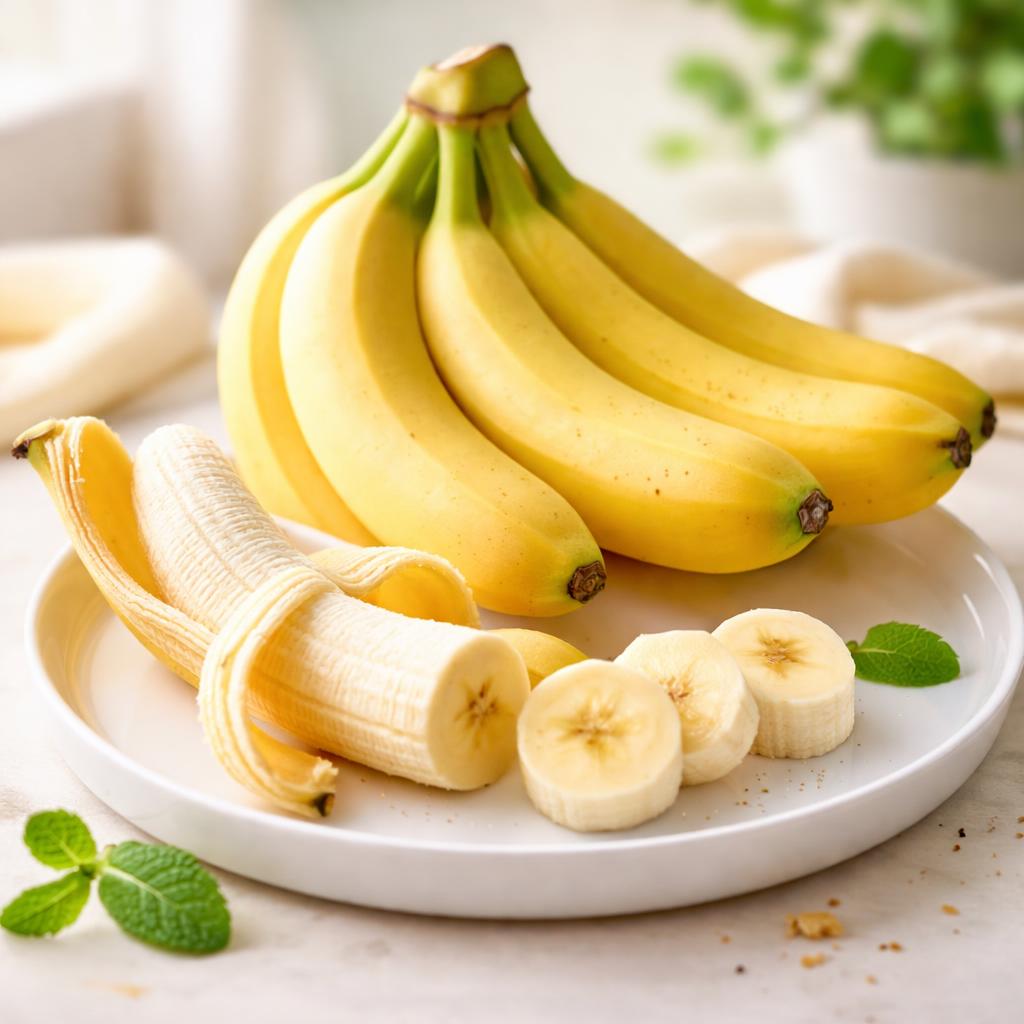
Banana
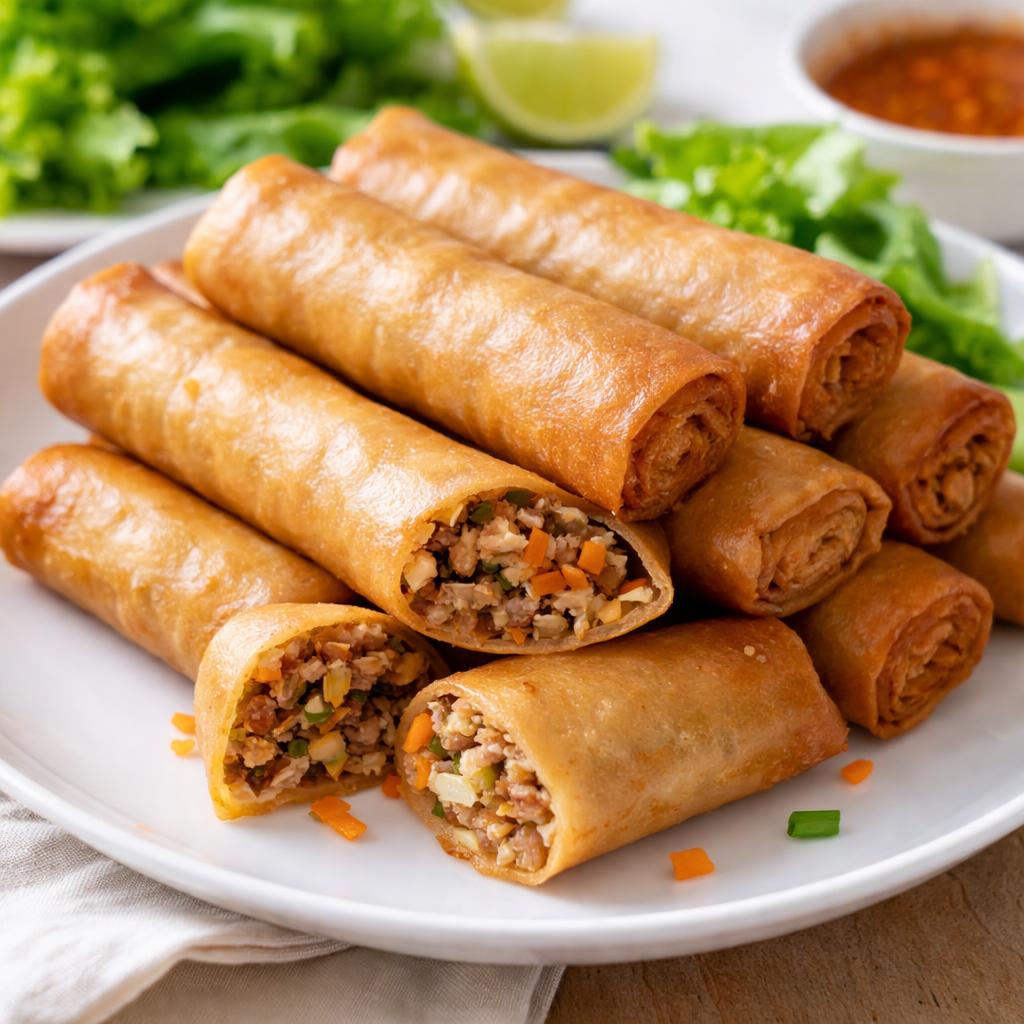
Lumpia
🎯 Quick Verdict
Bananas are a nutrient-dense, fiber-rich fruit perfect for snacking or pre-workout energy, while lumpia, a Filipino spring roll, is higher in protein but often contains more calories due to frying. For digestion and weight management, bananas shine, whereas lumpia suits those seeking a protein boost or a cultural treat.

Smart Nutrition Tracking with SnapCalorie

📊 Nutritional Comparison
Macronutrients
| Nutrient | Food 1 | Food 2 | Winner |
|---|---|---|---|
| Calories | 105 | 190 | ✓ |
| Protein | 1.3g | 7g | ✓ |
| Carbs | 27g | 22g | ✓ |
| Fat | 0.3g | 10g | ✓ |
| Fiber | 3.1g | 1g | ✓ |
Vitamins & Minerals
| Nutrient | Food 1 | Food 2 | Winner |
|---|---|---|---|
| Vitamin C | 10.3mg | 0.0mg | ✓ |
| Potassium | 422mg | 150mg | ✓ |
| Vitamin B6 | 0.4mg | 0.2mg | ✓ |
| Iron | 0.3mg | 1mg | ✓ |
🏆 Category Winners
Protein
Lumpia contains 439% more protein than bananas, as it typically includes meat or tofu.
Fiber
Bananas provide three times the fiber of lumpia, supporting digestion.
Calories
Bananas have approximately 45% fewer calories than lumpia.
🥗 Diet Compatibility
Keto
Food 1: Not Compatible
Food 2: Not Compatible
Both are high in carbs, making them unsuitable for keto diets.
Vegan
Food 1: Compatible
Food 2: Not Compatible
Bananas are plant-based, while lumpia often contains animal products unless specifically vegan.
Gluten Free
Food 1: Compatible
Food 2: Not Compatible
Bananas contain no gluten; lumpia typically includes wheat-based wrappers.
Paleo
Food 1: Compatible
Food 2: Not Compatible
Bananas are paleo-friendly while lumpia includes processed wrappers and potential additives.
Low-Carb
Food 1: Not Compatible
Food 2: Not Compatible
Both foods exceed typical low-carb thresholds.
💪 Health Benefits Comparison
Food 1 Benefits
- Excellent source of potassium for heart health and muscle function
- Rich in dietary fiber to improve digestion
- Provides natural sugars for a quick energy boost
Food 2 Benefits
- High in protein, supporting muscle growth and repair
- Can include vegetables, offering added vitamins and minerals
- Provides iron, important for producing healthy red blood cells
✅ The Bottom Line
Bananas are a nutrient-rich, low-calorie, and fiber-packed option, making them ideal for weight-conscious individuals, quick energy, or digestive health. Lumpia is a tasty, protein-rich treat that fits well into meals prioritizing flavor and satiety, but its higher calorie and fat content may not suit weight-focused or restrictive diets.
Choose Food 1 for: Digestive health, pre-workout energy, weight management
Choose Food 2 for: Protein-rich diets, cultural cuisine, filling meals


