Banana VS Hot Cheetos
A detailed nutritional comparison
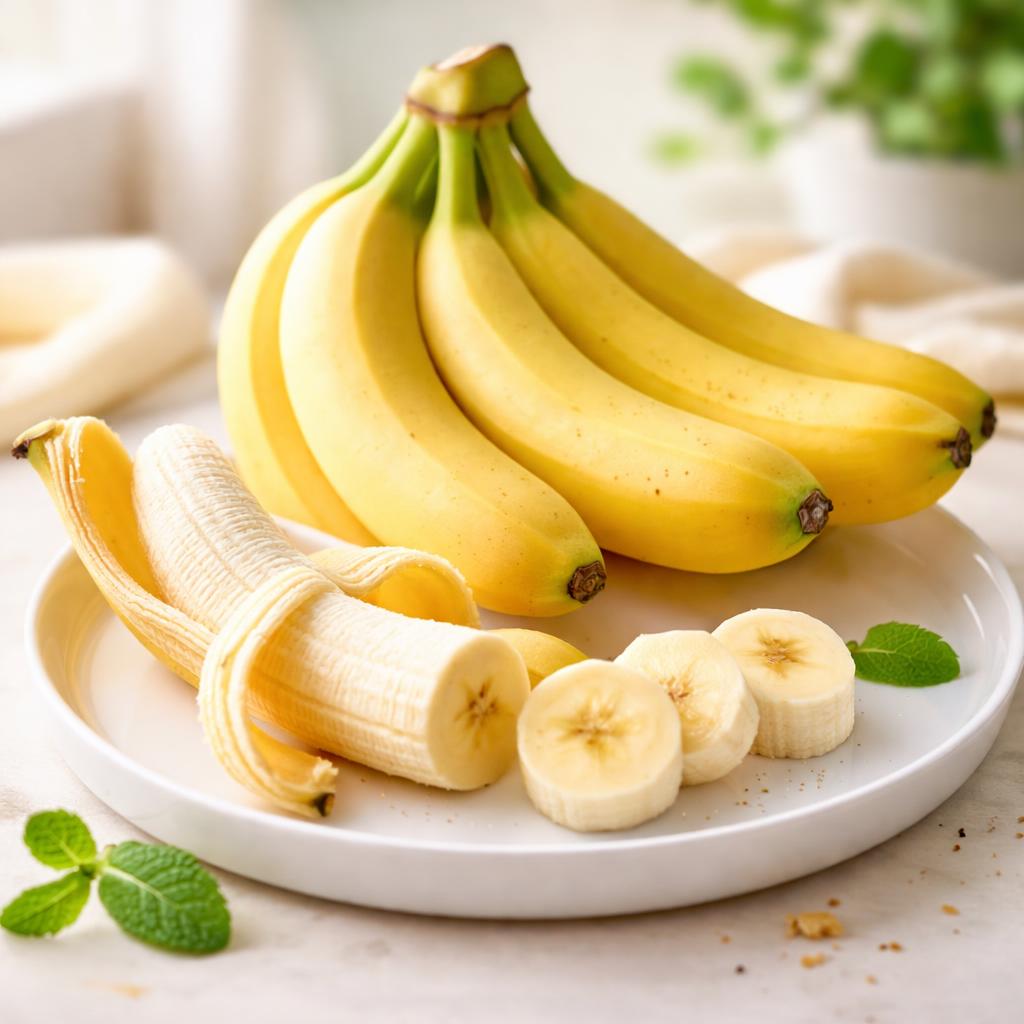
Banana
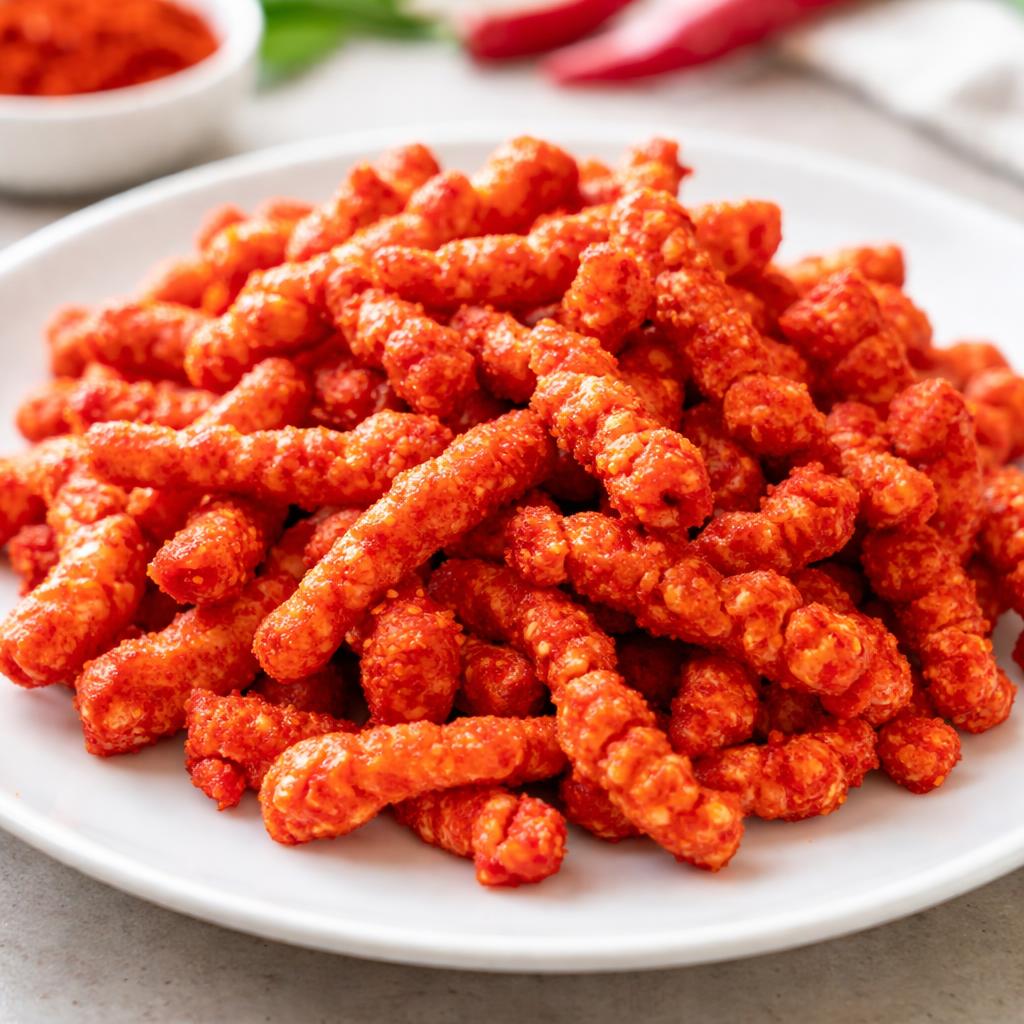
Hot Cheetos
🎯 Quick Verdict
Bananas and Hot Cheetos serve vastly different dietary purposes. Bananas are rich in natural nutrients like vitamins, minerals, and fiber, making them ideal for a healthy snack or energy boost. Hot Cheetos, though flavorful, are high in fat, sodium, and calories with minimal nutritional benefit, primarily suited for occasional indulgence rather than regular consumption.

Smart Nutrition Tracking with SnapCalorie

📊 Nutritional Comparison
Macronutrients
| Nutrient | Food 1 | Food 2 | Winner |
|---|---|---|---|
| Calories | 105 | 160 | ✓ |
| Protein | 1.3g | 2g | − |
| Carbs | 27g | 15g | ✓ |
| Fat | 0.3g | 10g | ✓ |
| Fiber | 3.1g | 0g | ✓ |
Vitamins & Minerals
| Nutrient | Food 1 | Food 2 | Winner |
|---|---|---|---|
| Vitamin C | 10mg | 0mg | ✓ |
| Vitamin B6 | 0.4mg | 0mg | ✓ |
| Iron | 0.3mg | 0mg | ✓ |
🏆 Category Winners
Protein
Both foods contain minimal protein (1-2g per serving).
Fiber
Bananas have 3.1g fiber, helping with digestion.
Calories
Bananas are lower in calories, with only 105 calories compared to Hot Cheetos' 160.
Vitamins
Bananas provide essential vitamins like Vitamin C and B6, which Hot Cheetos lack.
🥗 Diet Compatibility
Keto
Food 1: Not Compatible
Food 2: Not Compatible
Both are too high in carbs for keto diets.
Vegan
Food 1: Compatible
Food 2: Compatible
Both are plant-based and do not contain animal products.
Gluten Free
Food 1: Compatible
Food 2: Not Compatible
Bananas are naturally gluten-free, whereas Hot Cheetos contain gluten from processed ingredients.
Paleo
Food 1: Compatible
Food 2: Not Compatible
Bananas are whole, unprocessed fruits, while Hot Cheetos are highly processed.
Low-Carb
Food 1: Not Compatible
Food 2: Not Compatible
Both foods are relatively high in carbohydrates.
💪 Health Benefits Comparison
Food 1 Benefits
- Packed with potassium for heart health and muscle function
- High in fiber to support digestion and prevent constipation
- Provides energy-boosting natural sugars without added preservatives
- Rich in Vitamin B6 and Vitamin C for immune support
Food 2 Benefits
- Offers quick energy through calories when needed for a craving
- Contains spicy compounds that may temporarily increase metabolism
- Provides flavor variety but little nutritional value
✅ The Bottom Line
Choose bananas for a nutrient-dense snack that supports energy, digestion, and immune health. Opt for Hot Cheetos sparingly as a treat, as they are calorie-dense with minimal nutrients. Bananas outperform Hot Cheetos for anyone prioritizing health-conscious eating.
Choose Food 1 for: Healthy snacking, energy boost, digestion support
Choose Food 2 for: Indulgent treat, spicy flavor cravings


