Banana VS Fudge
A detailed nutritional comparison

Banana
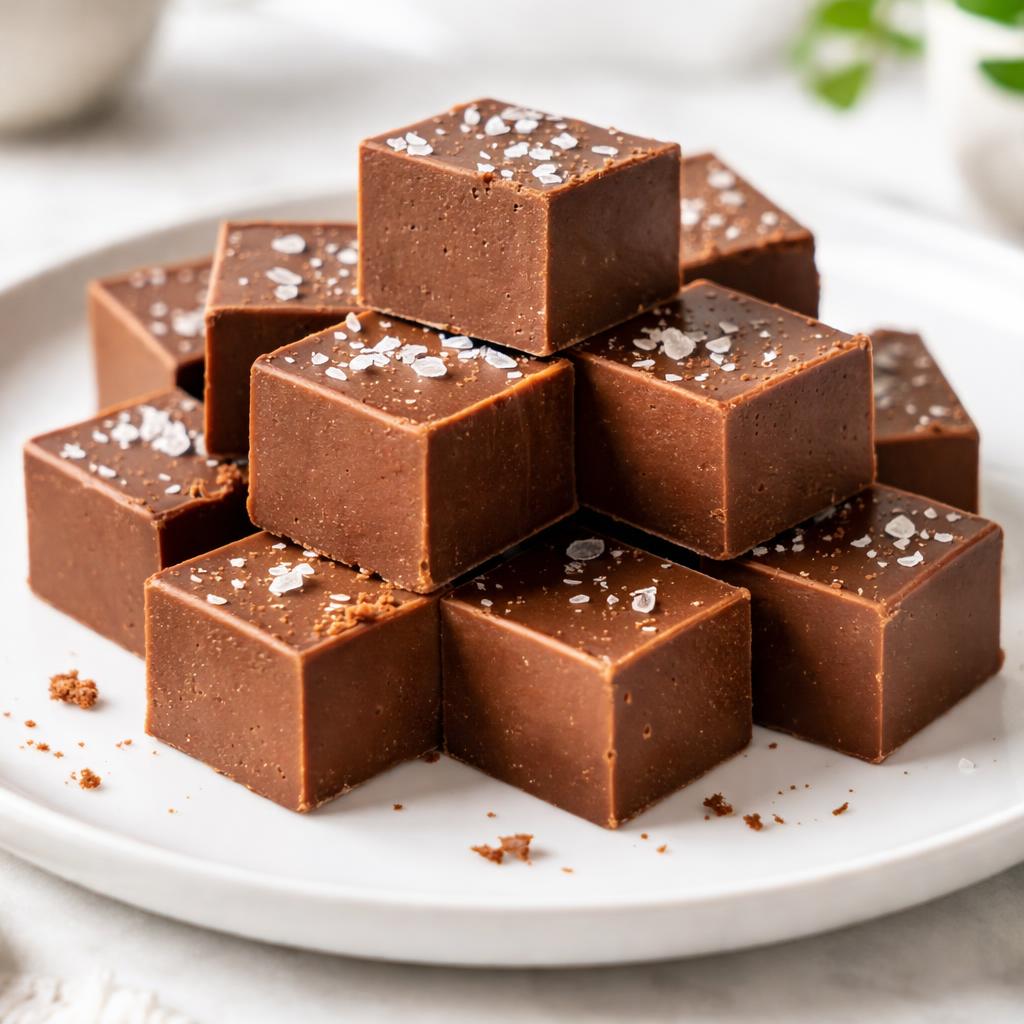
Fudge
🎯 Quick Verdict
Bananas are nutrient-dense fruits that offer balanced carbohydrates, fiber, and essential vitamins, making them ideal for quick energy and digestion support. Fudge, on the other hand, is calorie-dense and rich in fats and sugars, serving as an indulgent treat but lacking in micronutrients. Choose bananas for health-focused goals and fudge for occasional enjoyment.

Smart Nutrition Tracking with SnapCalorie

📊 Nutritional Comparison
Macronutrients
| Nutrient | Food 1 | Food 2 | Winner |
|---|---|---|---|
| Calories | 105 | 120 | ✓ |
| Protein | 1.3g | 1.2g | − |
| Carbs | 27g | 16g | ✓ |
| Fat | 0.3g | 5g | ✓ |
| Fiber | 3g | 0g | ✓ |
Vitamins & Minerals
| Nutrient | Food 1 | Food 2 | Winner |
|---|---|---|---|
| Vitamin C | 10mg | 0mg | ✓ |
| Potassium | 422mg | 10mg | ✓ |
| Magnesium | 32mg | 10mg | ✓ |
🏆 Category Winners
Protein
Both foods contain similar levels of protein, roughly around 1g per serving.
Fiber
Bananas contain 3g of fiber compared to zero in fudge.
Calories
Bananas have fewer calories (105 vs 120).
🥗 Diet Compatibility
Keto
Food 1: Not Compatible
Food 2: Not Compatible
Both are high-carb, making them unsuitable for keto.
Vegan
Food 1: Compatible
Food 2: Compatible
Neither food contains animal products.
Gluten Free
Food 1: Compatible
Food 2: Depends
Bananas are naturally gluten-free; fudge depends on the recipe.
Paleo
Food 1: Compatible
Food 2: Not Compatible
Bananas are paleo-friendly, whereas fudge typically contains refined sugar.
Low Carb
Food 1: Not Compatible
Food 2: Not Compatible
Both foods contain high amounts of carbohydrates.
💪 Health Benefits Comparison
Food 1 Benefits
- Good source of potassium for heart and muscle health
- Contains dietary fiber for improved digestion
- Provides Vitamin C for immune system support
- Low in fat and calories, making it weight-loss friendly
Food 2 Benefits
- Provides quick energy due to high sugar content
- Contains fat that can help with satiety (depends on portion size)
- Can serve as a treat for emotional well-being or indulgence
- May contain antioxidants if made with high-quality chocolate
✅ The Bottom Line
Bananas are the healthier choice overall due to their nutrient density, fiber content, and lower calorie count, making them ideal for daily consumption or activity-enhancing energy. Fudge is better suited for occasional indulgence or a quick sugar boost but lacks the extensive health benefits of bananas.
Choose Food 1 for: Daily snacking, energy boost, digestion improvement
Choose Food 2 for: Occasional treat, quick energy, indulgence


