Banana VS Frozen Banana
A detailed nutritional comparison
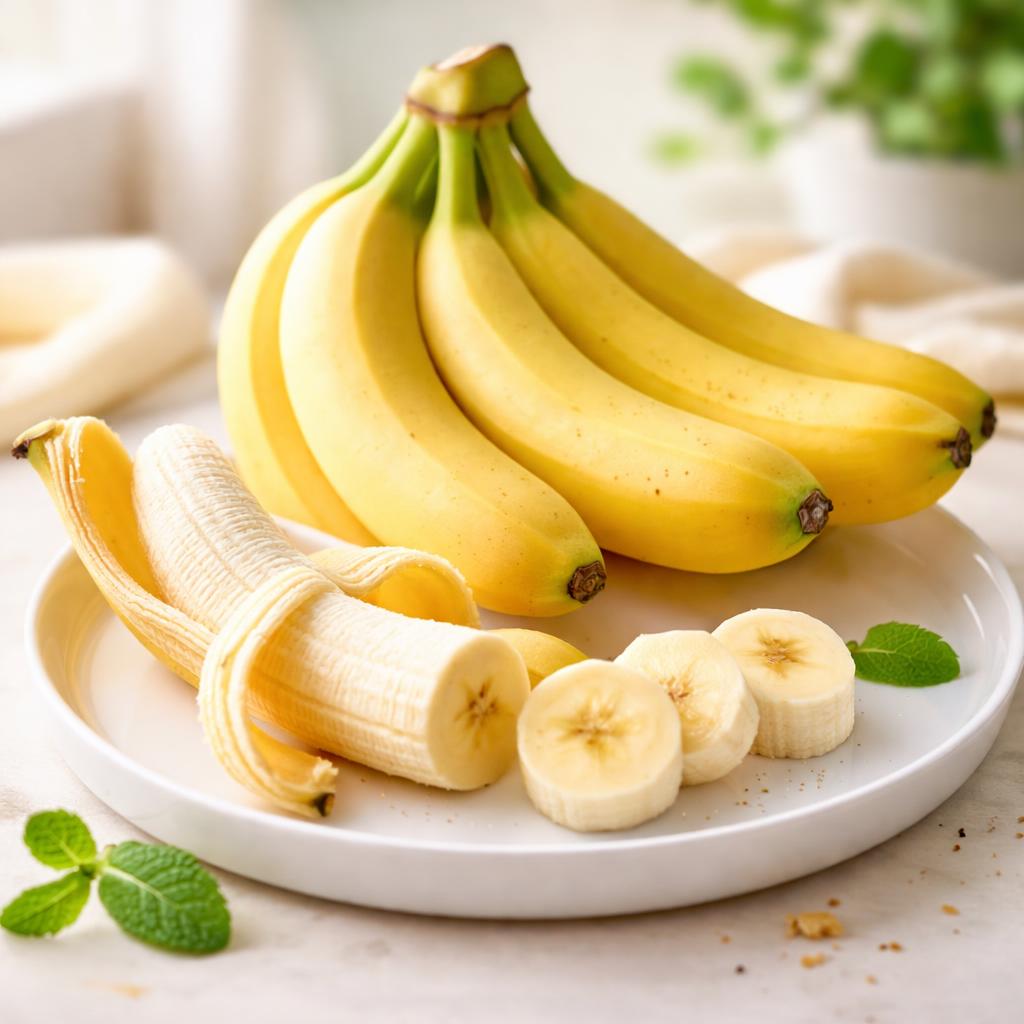
Banana
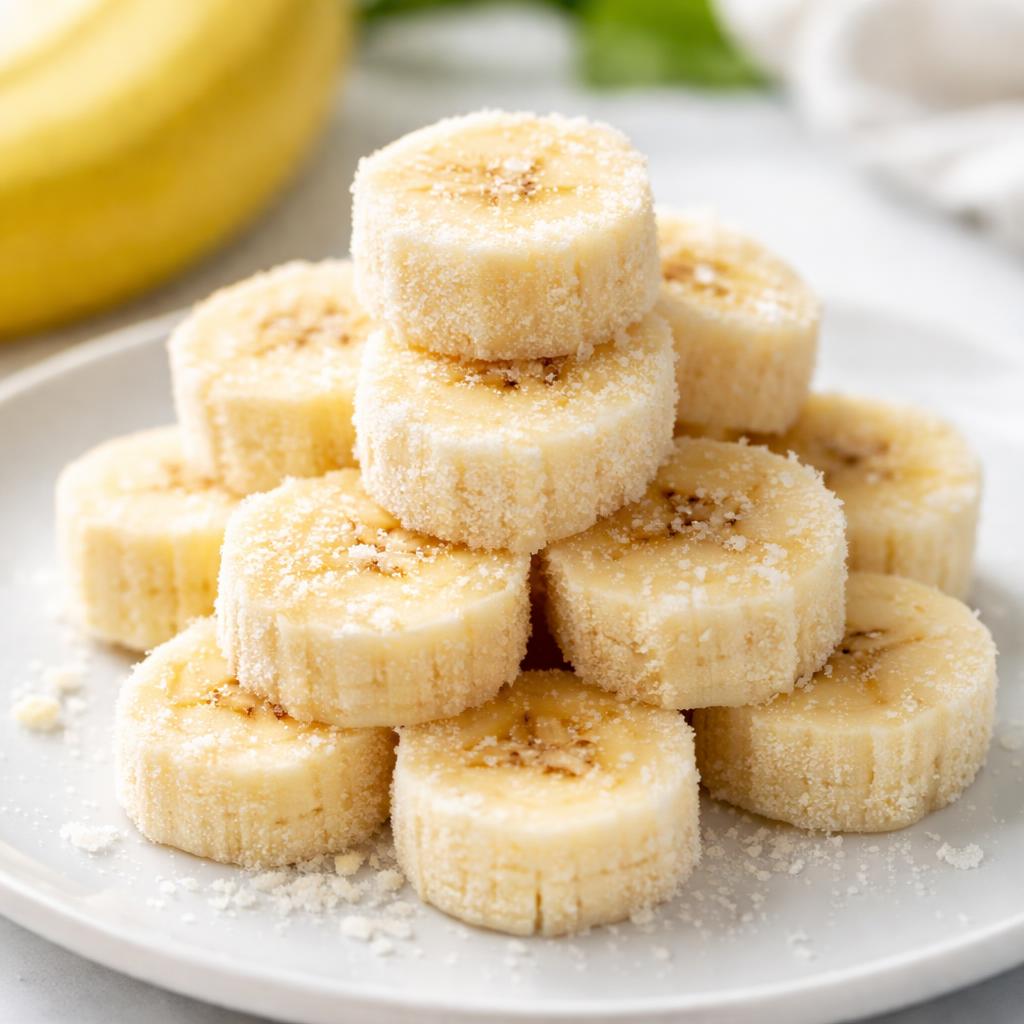
Frozen Banana
🎯 Quick Verdict
Banana and frozen banana are nutritionally identical since freezing does not alter macronutrient content. However, frozen bananas are more versatile for cold desserts like smoothies or banana ice cream, while fresh bananas are ideal for on-the-go snacking. Both are excellent sources of energy, potassium, and dietary fiber, making them highly beneficial for active lifestyles and digestion support.

Smart Nutrition Tracking with SnapCalorie

📊 Nutritional Comparison
Macronutrients
| Nutrient | Food 1 | Food 2 | Winner |
|---|---|---|---|
| Calories | 105 | 105 | − |
| Protein | 1.3g | 1.3g | − |
| Carbs | 27g | 27g | − |
| Fat | 0.3g | 0.3g | − |
| Fiber | 3.1g | 3.1g | − |
Vitamins & Minerals
| Nutrient | Food 1 | Food 2 | Winner |
|---|---|---|---|
| Vitamin C | 10.3mg | 10.3mg | − |
| Potassium | 422mg | 422mg | − |
| Magnesium | 32mg | 32mg | − |
🏆 Category Winners
Protein
Both options provide 1.3g of protein, which is identical.
Fiber
Both have 3.1g of fiber per serving, contributing to digestive health.
Calories
Both contain 105 calories—the freezing process does not alter caloric content.
🥗 Diet Compatibility
Keto
Food 1: Not Compatible
Food 2: Not Compatible
Both are high-carb due to natural sugars.
Vegan
Food 1: Compatible
Food 2: Compatible
Both are plant-based options without animal products.
Gluten Free
Food 1: Compatible
Food 2: Compatible
Neither contains gluten.
Paleo
Food 1: Compatible
Food 2: Compatible
Both align with paleo principles as natural, unprocessed fruits.
Low Carb
Food 1: Not Compatible
Food 2: Not Compatible
With 27g of carbs per serving, both exceed low-carb diet limits.
💪 Health Benefits Comparison
Food 1 Benefits
- Rich in potassium for heart and muscle function
- Contains dietary fiber for improved digestion and gut health
- Provides quick energy from natural sugars during workouts
- Good source of vitamin C for immune system support
Food 2 Benefits
- Maintains identical nutrients while offering longer shelf life
- Ideal for smoothies and frozen desserts
- Convenient for cold snack preparation or meal planning
- Supports hydration and potassium intake for muscle recovery
✅ The Bottom Line
Fresh bananas and frozen bananas are nutritionally identical, making either a great choice depending on your needs. Choose fresh bananas for portability and quick snacking, while frozen bananas are perfect for smoothies or cold desserts. Both support digestion, energy replenishment, and hydration due to their high potassium and fiber content.
Choose Food 1 for: On-the-go snacking, quick energy boosts, and pre/post-workout snacks
Choose Food 2 for: Smoothies, cold desserts, meal prep, and extended storage


