Banana VS Fig
A detailed nutritional comparison
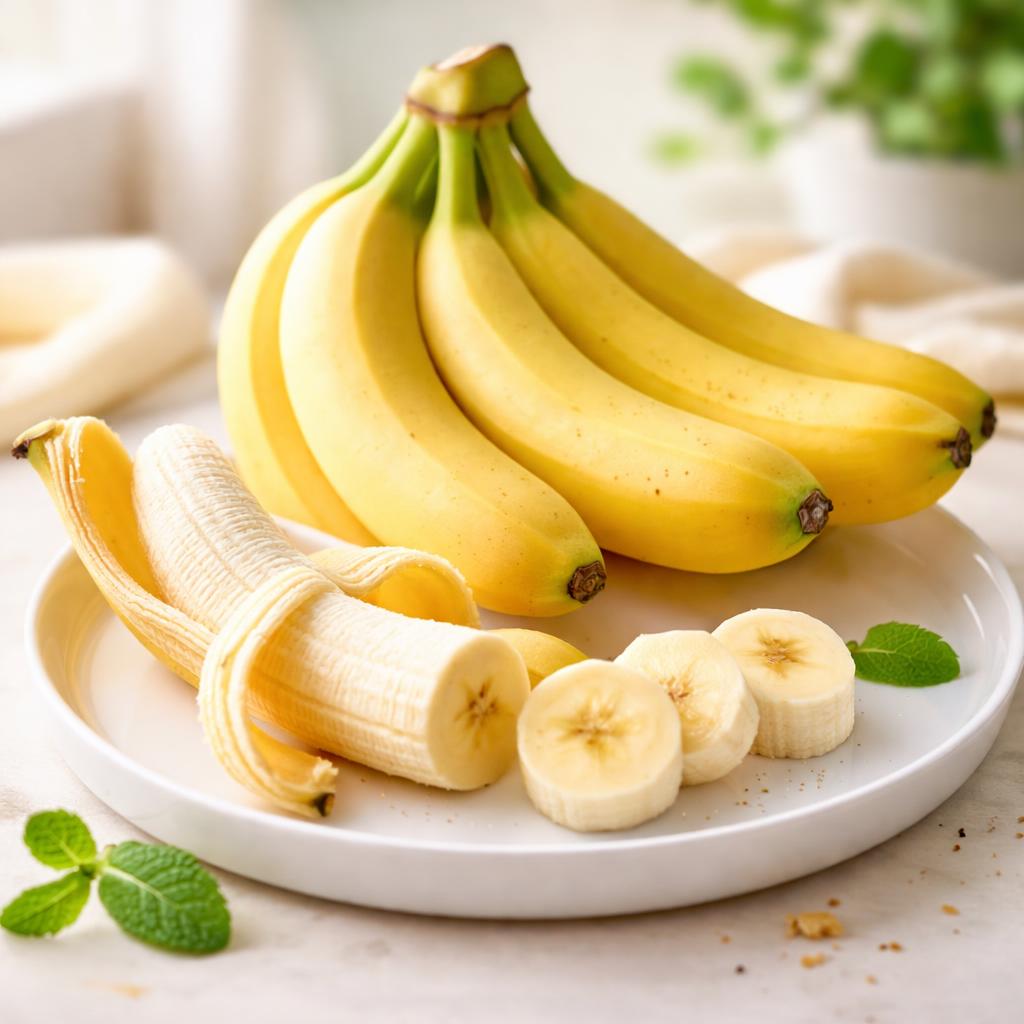
Banana
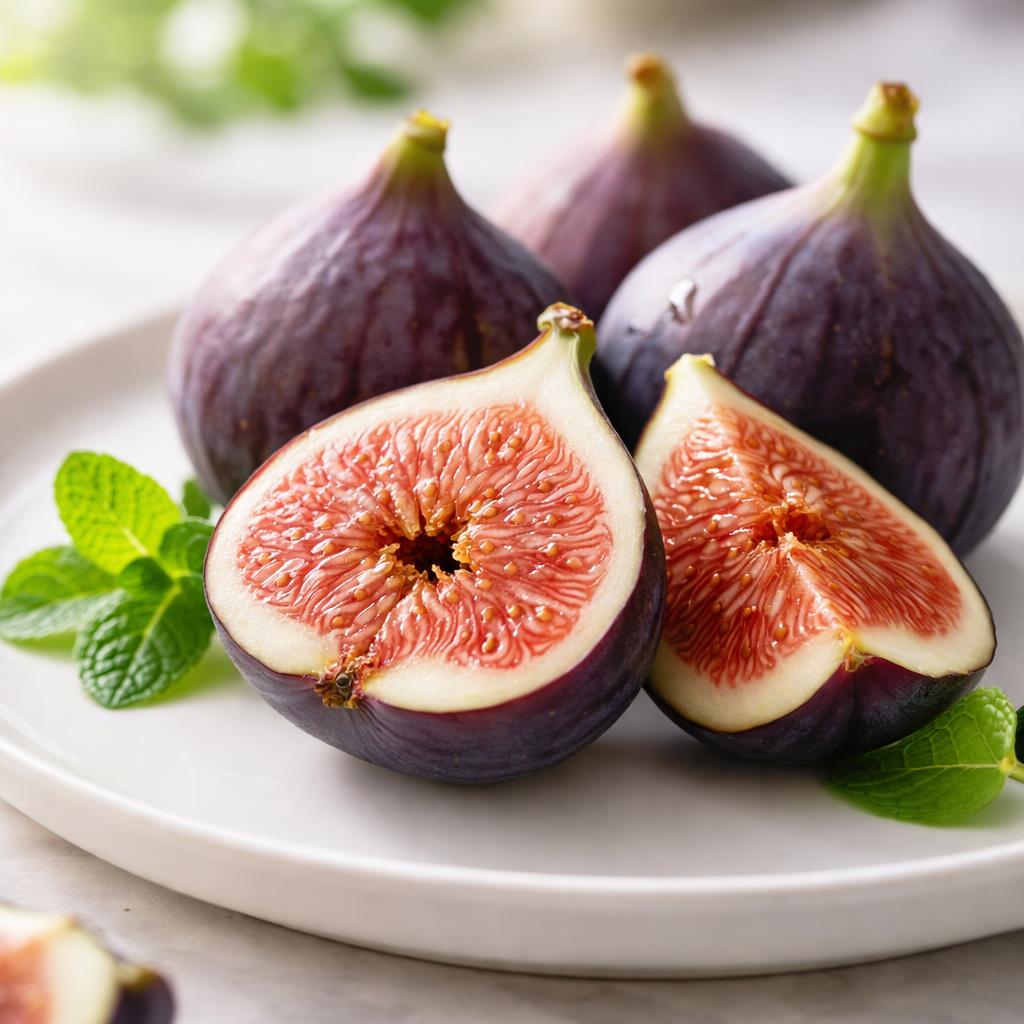
Fig
🎯 Quick Verdict
Bananas are lower in calories and contain more potassium, making them great for hydration and energy. Figs are higher in protein, fiber, and calcium, offering more nutritional benefits in terms of digestion and bone health. Both are excellent choices for a healthy diet, depending on your specific goals.

Smart Nutrition Tracking with SnapCalorie

📊 Nutritional Comparison
Macronutrients
| Nutrient | Food 1 | Food 2 | Winner |
|---|---|---|---|
| Calories | 105 (medium banana) | 120 (medium fig) | ✓ |
| Protein | 1.3g | 1.5g | ✓ |
| Carbs | 27g | 31g | ✓ |
| Fat | 0.3g | 0.4g | ✓ |
| Fiber | 3.1g | 4g | ✓ |
Vitamins & Minerals
| Nutrient | Food 1 | Food 2 | Winner |
|---|---|---|---|
| Vitamin C | 10mg | 2mg | ✓ |
| Potassium | 422mg | 232mg | ✓ |
| Calcium | 5mg | 35mg | ✓ |
| Iron | 0.3mg | 0.4mg | ✓ |
🏆 Category Winners
Protein
Food2 has slightly more protein per serving compared to Food1.
Fiber
Food2 provides 29% more fiber than Food1.
Calories
Food1 is lower in calories, suitable for calorie-controlled diets.
Vitamins
Food1 excels in potassium and vitamin C, whereas Food2 is richer in calcium and iron.
🥗 Diet Compatibility
Keto
Food 1: Not Compatible
Food 2: Not Compatible
Both are high-carb and unsuitable for a strict ketogenic diet.
Vegan
Food 1: Compatible
Food 2: Compatible
Both are plant-based and suitable for vegan diets.
Gluten Free
Food 1: Compatible
Food 2: Compatible
Neither contains gluten.
Paleo
Food 1: Compatible
Food 2: Compatible
Both are unprocessed fruits that align with the paleo diet.
Low Carb
Food 1: Not Compatible
Food 2: Not Compatible
Both are relatively high in carbohydrates, making them unsuitable for low-carb diets.
💪 Health Benefits Comparison
Food 1 Benefits
- Rich in potassium for supporting heart health and muscle function
- Good source of vitamin C to boost immunity
- Provides quick energy from natural sugars, ideal for pre-workout snacks
Food 2 Benefits
- Higher fiber content aids digestion and helps maintain gut health
- Good source of calcium for bone strength and iron for combating anemia
- Contains antioxidants for fighting free radical damage and promoting overall health
✅ The Bottom Line
Choose bananas for a quick, hydrating energy boost and excellent potassium levels, especially after workouts. Opt for figs if you want a fiber-rich snack with more calcium and iron, ideal for digestion and long-term nutritional benefits.
Choose Food 1 for: Post-workout recovery, hydration, quick energy boost
Choose Food 2 for: Digestive health, bone strength, sustained nutrient intake


