Banana VS Fat
A detailed nutritional comparison
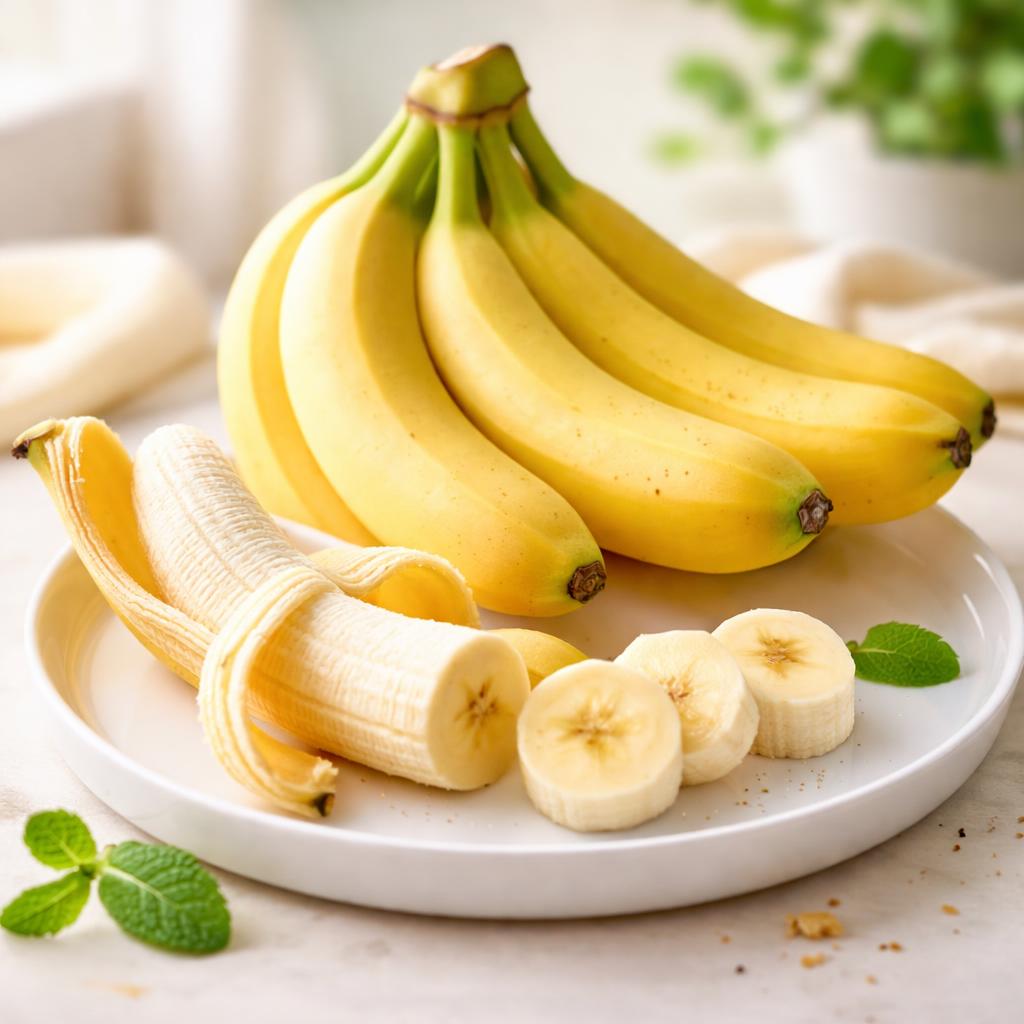
Banana

Fat
🎯 Quick Verdict
Bananas and fats serve very different dietary purposes. Bananas are a great source of fiber, potassium, and energy, making them ideal for quick fuel and digestion support. Fats are calorie-dense and provide essential fatty acids, beneficial for heart health and long-lasting energy. Choose bananas for immediate energy or fats for sustained, lower-carb energy needs.

Smart Nutrition Tracking with SnapCalorie

📊 Nutritional Comparison
Macronutrients
| Nutrient | Food 1 | Food 2 | Winner |
|---|---|---|---|
| Calories | 105 | 120 | ✓ |
| Protein | 1.3g | 0g | ✓ |
| Carbs | 27g | 0g | ✓ |
| Fat | 0.3g | 13g | ✓ |
| Fiber | 3.1g | 0g | ✓ |
Vitamins & Minerals
| Nutrient | Food 1 | Food 2 | Winner |
|---|---|---|---|
| Vitamin D | 0mcg | 0mcg | − |
| Vitamin C | 10mg | 0mg | ✓ |
| Potassium | 422mg | 0mg | ✓ |
| Iron | 0.3mg | 0mg | ✓ |
🏆 Category Winners
Protein
Banana contains 1.3g of protein, while fats have zero protein.
Fiber
Banana provides 3.1g of fiber, aiding digestion.
Calories
Banana has 15 less calories per serving than typical fats.
Vitamins
Bananas provide Vitamins C and potassium, absent from fats.
🥗 Diet Compatibility
Keto
Food 1: Not Compatible
Food 2: Compatible
Fats are low-carb (0g carbs), whereas bananas are carb-rich (27g carbs).
Vegan
Food 1: Compatible
Food 2: Compatible
Both foods are plant-based depending on fat source.
Gluten Free
Food 1: Compatible
Food 2: Compatible
Neither food contains gluten.
Paleo
Food 1: Compatible
Food 2: Compatible
Both foods fit within paleo guidelines when unprocessed.
Low Carb
Food 1: Not Compatible
Food 2: Compatible
Food1 has high carb content (27g), while Food2 has 0g carbs.
💪 Health Benefits Comparison
Food 1 Benefits
- Rich in potassium for muscle and heart function
- Contains fiber to support digestion
- Provides quick energy with natural sugars
Food 2 Benefits
- High in healthy fats for sustained energy
- Supports nutrient absorption of fat-soluble vitamins
- Beneficial for heart and brain health
✅ The Bottom Line
Bananas are better for quick energy, fiber, and vitamin content, while fats are calorie-dense and ideal for low-carb or keto diets. Bananas match high-activity needs, whereas fats suit sustained energy and essential fatty acid requirements.
Choose Food 1 for: Quick energy, digestion support, pre/post-workout snack
Choose Food 2 for: Low-carb diets, sustained energy, heart health


