Banana VS Eggs
A detailed nutritional comparison
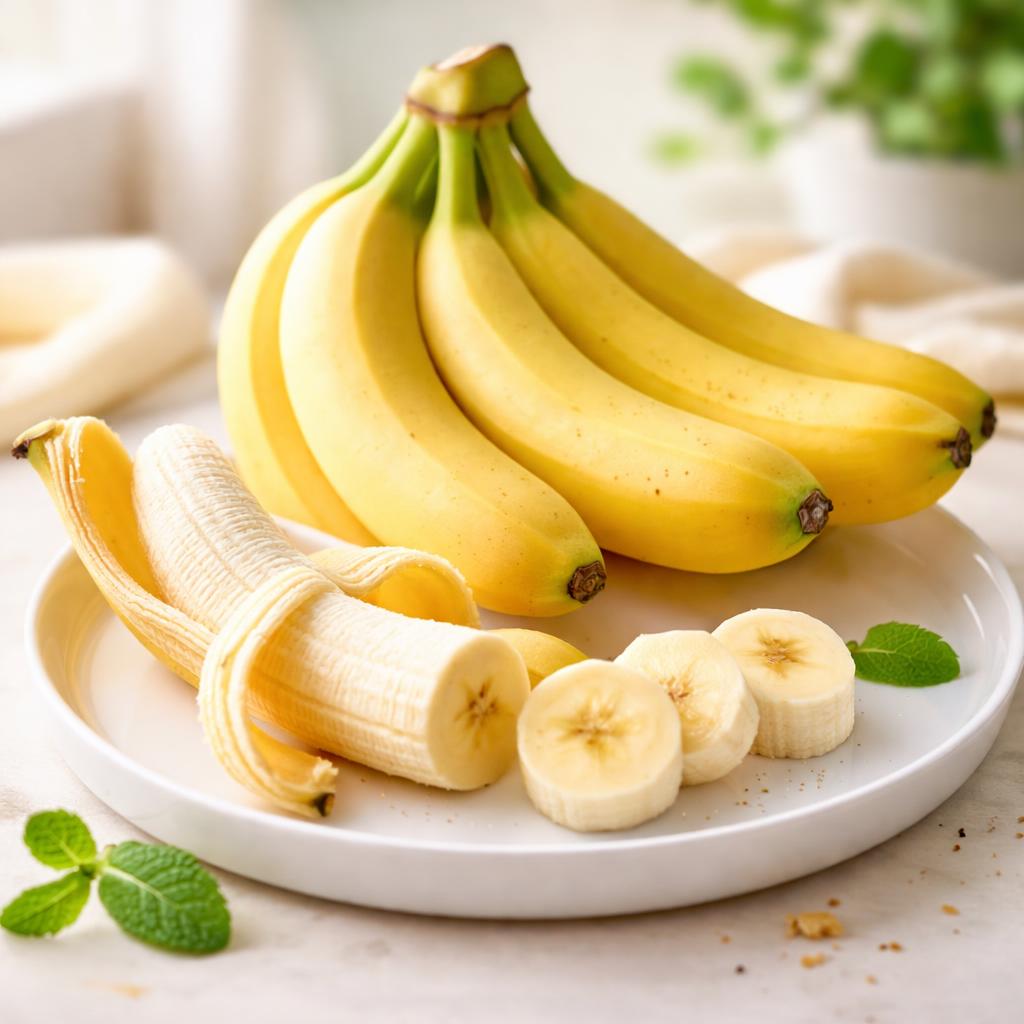
Banana
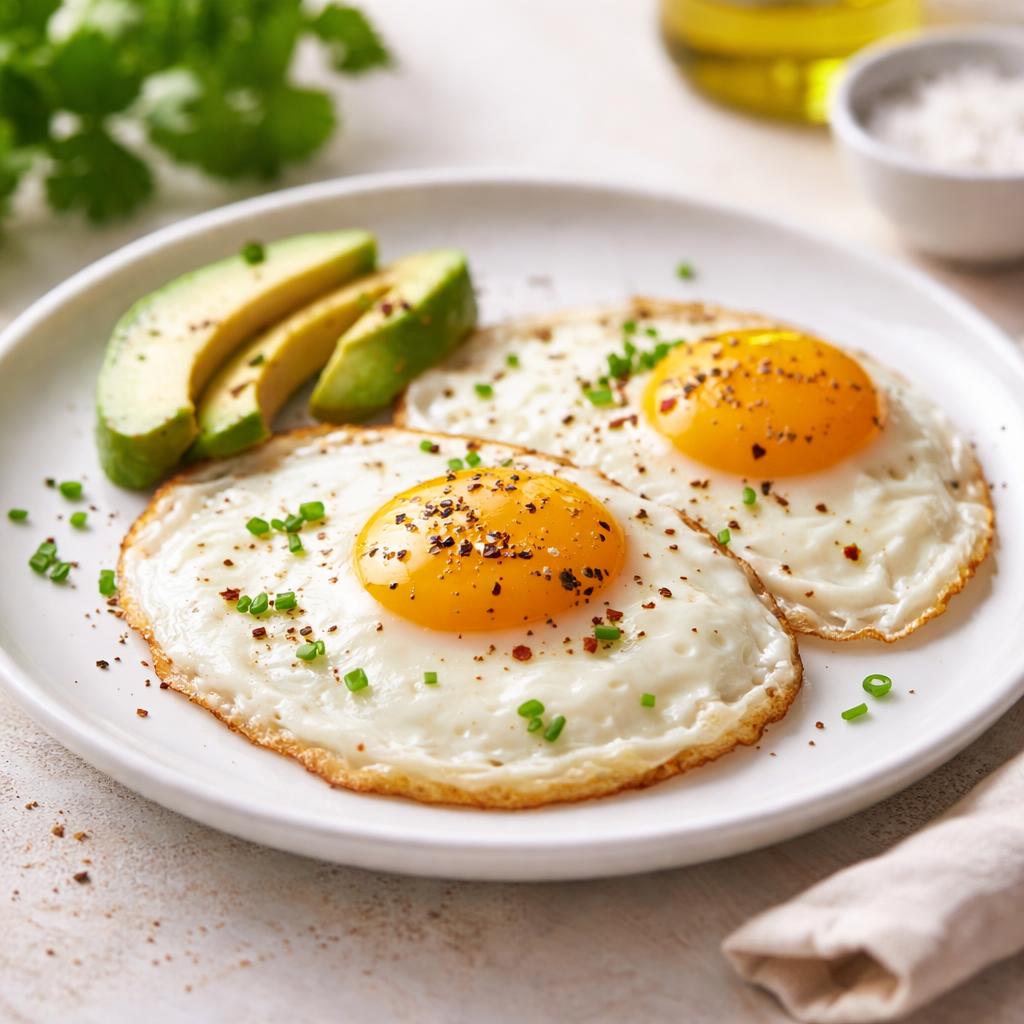
Eggs
🎯 Quick Verdict
Bananas and eggs each offer unique nutritional benefits. Eggs are higher in protein and lower in calories, making them ideal for muscle building and weight management. Bananas provide more fiber and carbohydrates for sustained energy and digestion support, as well as potassium, which supports heart health and muscle function.

Smart Nutrition Tracking with SnapCalorie

📊 Nutritional Comparison
Macronutrients
| Nutrient | Food 1 | Food 2 | Winner |
|---|---|---|---|
| Calories | 105 | 70 | ✓ |
| Protein | 1.3g | 6g | ✓ |
| Carbs | 27g | 0.6g | ✓ |
| Fat | 0.3g | 5g | ✓ |
| Fiber | 3.1g | 0g | ✓ |
Vitamins & Minerals
| Nutrient | Food 1 | Food 2 | Winner |
|---|---|---|---|
| Vitamin D | 0mcg | 1mcg | ✓ |
| Potassium | 422mg | 69mg | ✓ |
| Vitamin B6 | 0.4mg | 0.1mg | ✓ |
| Choline | 9mg | 147mg | ✓ |
🏆 Category Winners
Protein
Eggs contain 6g of protein versus 1.3g in bananas.
Fiber
Bananas provide 3.1g of fiber per serving, while eggs have none.
Calories
Eggs contain only 70 calories compared to 105 calories in bananas.
Vitamins
Eggs excel in vitamin D and choline, while bananas provide more potassium and vitamin B6.
🥗 Diet Compatibility
Keto
Food 1: Not Compatible
Food 2: Compatible
Eggs are low-carb and high-fat, making them suitable for keto diets.
Vegan
Food 1: Compatible
Food 2: Not Compatible
Bananas are plant-based, while eggs are animal-derived.
Gluten Free
Food 1: Compatible
Food 2: Compatible
Neither bananas nor eggs contain gluten.
Paleo
Food 1: Compatible
Food 2: Compatible
Both foods fit in a paleo diet.
Low-Carb
Food 1: Not Compatible
Food 2: Compatible
Eggs provide only 0.6g of carbs, compared to 27g in bananas.
💪 Health Benefits Comparison
Food 1 Benefits
- High potassium content supports heart health and muscle function.
- Provides fiber for digestive health.
- Good source of vitamin B6 to support energy metabolism.
Food 2 Benefits
- Rich in protein for muscle repair and maintenance.
- High in choline for brain health and cell function.
- Contains vitamin D to support bone health and immunity.
✅ The Bottom Line
Eggs are better suited for those focusing on protein intake, weight loss, or low-carb diets, while bananas are ideal for quick energy boosts, digestion support, and heart health. Both are excellent additions to a balanced diet depending on individual needs.
Choose Food 1 for: Energy boost, digestion, heart health
Choose Food 2 for: Muscle building, low-carb diets, brain health


