Banana VS Dragon Fruit
A detailed nutritional comparison
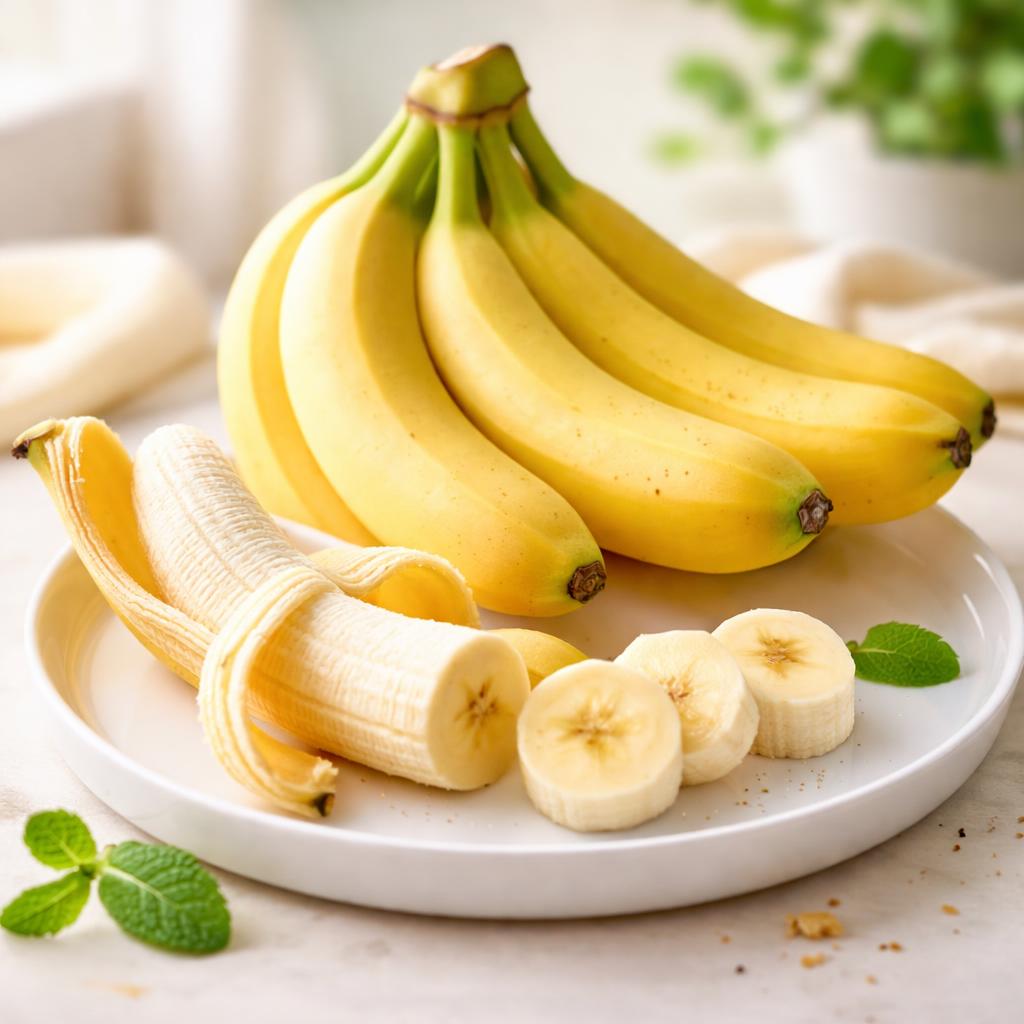
Banana
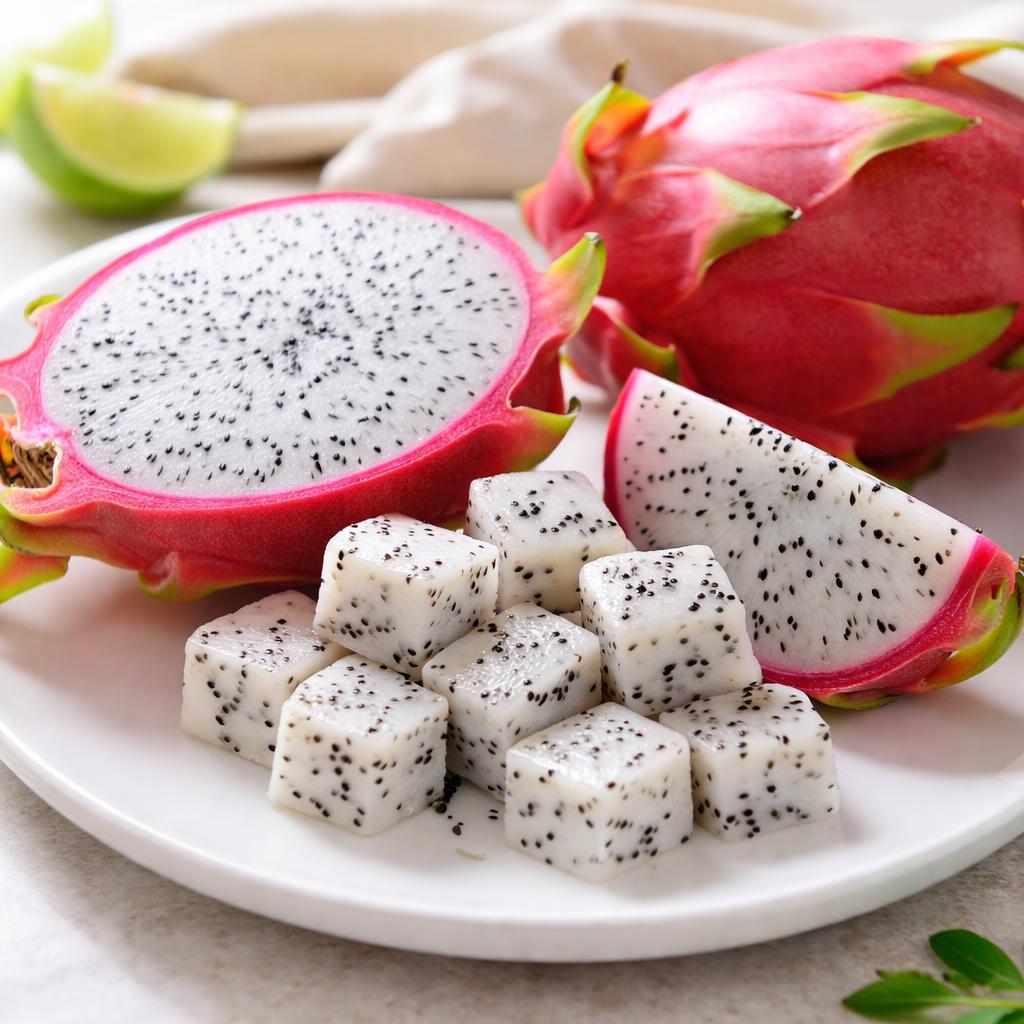
Dragon Fruit
🎯 Quick Verdict
Bananas and dragon fruits are both nutrient-dense, versatile fruits. Bananas are slightly higher in calories and carbohydrates, making them a great energy booster, while dragon fruit provides more protein. Both fruits offer fiber and essential vitamins, with bananas being rich in potassium and dragon fruit providing antioxidants and vitamin C. Choose based on your nutritional needs and flavor preference.

Smart Nutrition Tracking with SnapCalorie

📊 Nutritional Comparison
Macronutrients
| Nutrient | Food 1 | Food 2 | Winner |
|---|---|---|---|
| Calories | 89 | 60 | − |
| Protein | 1.1g | 1.2g | − |
| Carbs | 22.8g | 13g | − |
| Fat | 0.3g | 0.0g | − |
| Fiber | 2.6g | 2.6g | − |
Vitamins & Minerals
| Nutrient | Food 1 | Food 2 | Winner |
|---|---|---|---|
| Vitamin C | 8.7mg | 9mg | − |
| Potassium | 358mg | 180mg | − |
| Iron | 0.3mg | 0.4mg | − |
🏆 Category Winners
Protein
Dragon fruit has slightly more protein by 0.1g per serving.
Fiber
Both foods offer an equal amount of fiber per serving (2.6g).
Calories
Bananas provide more energy with 89 calories compared to 60 calories in dragon fruit.
Vitamins
Dragon fruit edges out slightly with more vitamin C and iron.
🥗 Diet Compatibility
Keto
Food 1: Unknown
Food 2: Unknown
Both are higher in carbs and not suited for ketogenic diets.
Vegan
Food 1: Unknown
Food 2: Unknown
Both are naturally plant-based fruits.
Gluten Free
Food 1: Unknown
Food 2: Unknown
Neither food contains gluten.
Paleo
Food 1: Unknown
Food 2: Unknown
Both fruits are paleo-friendly.
Low-Carb
Food 1: Unknown
Food 2: Unknown
Dragon fruit has fewer carbs (13g per serving) and may fit some low-carb diets better than bananas.
💪 Health Benefits Comparison
Food 1 Benefits
Food 2 Benefits
✅ The Bottom Line
Both banana and dragon fruit are excellent choices with unique benefits. Bananas are ideal for quick energy boosts, workouts, and potassium intake, while dragon fruit is a lower-calorie option rich in antioxidants and iron. Use bananas for an energizing snack or in recipes needing natural sweetness, and choose dragon fruit for a refreshing, nutrient-dense treat with fewer carbs.


