Banana VS Dahl
A detailed nutritional comparison
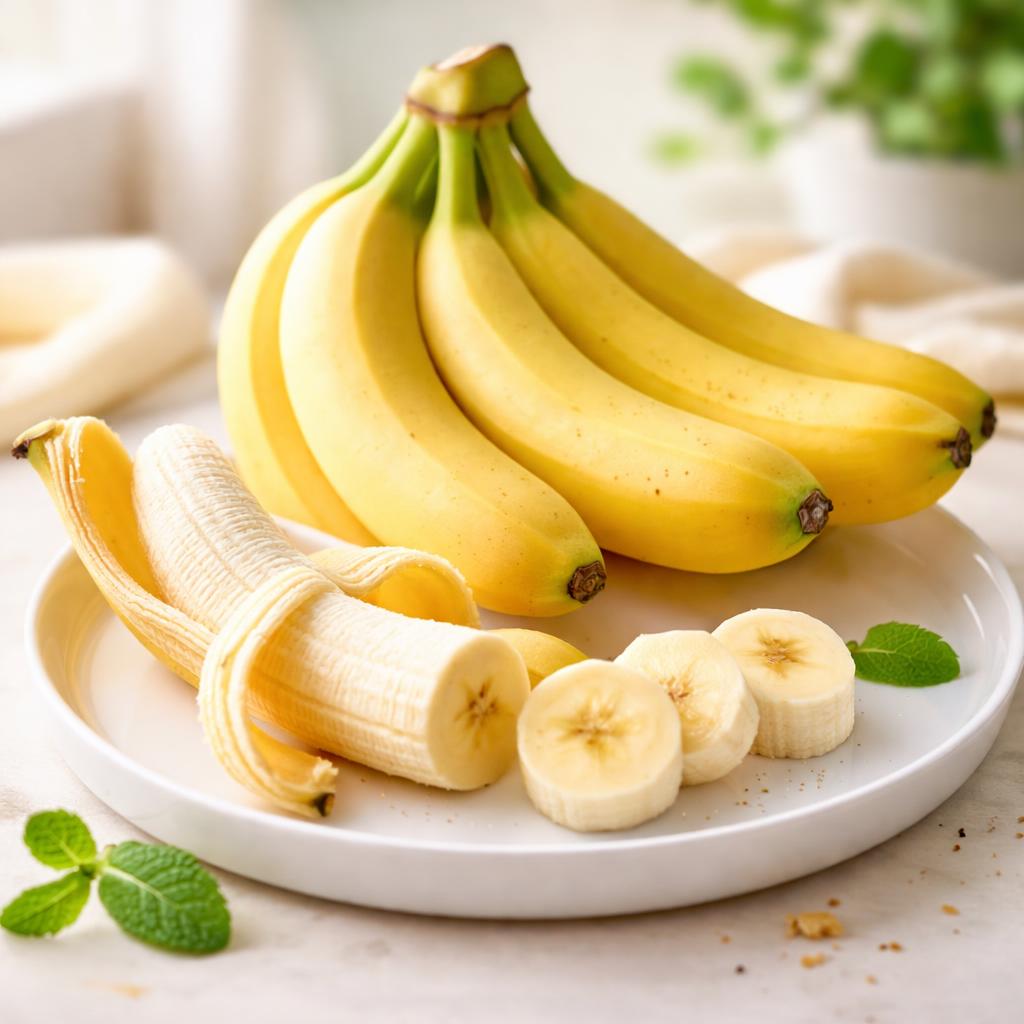
Banana
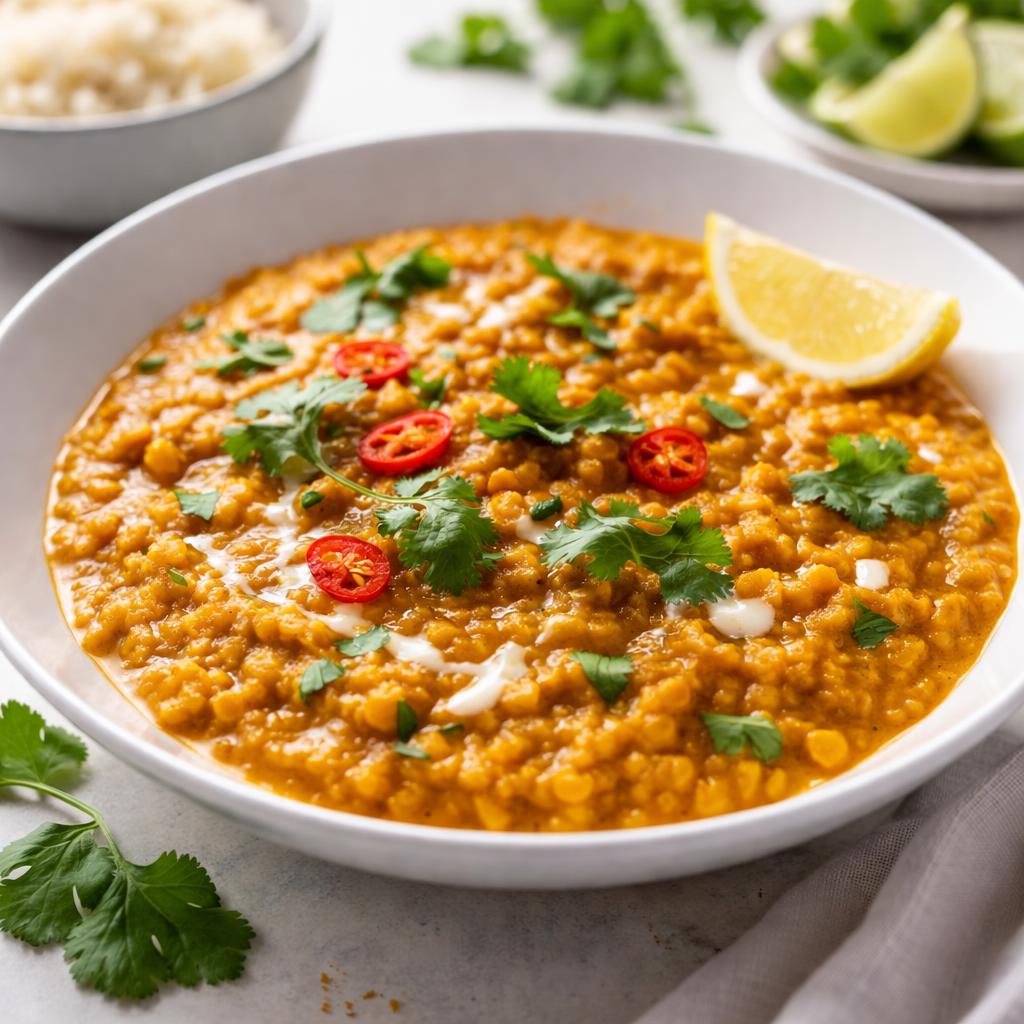
Dahl
🎯 Quick Verdict
Bananas and dahl differ significantly in their nutrient profiles. Banana is low-calorie and a quick source of energy with moderate fiber, while dahl is packed with protein, fiber, and complex carbohydrates, making it a more nutrient-dense choice for sustained energy and satiety. Bananas are great for snacking, whereas dahl is ideal for hearty meals to support muscle growth and digestive health.

Smart Nutrition Tracking with SnapCalorie

📊 Nutritional Comparison
Macronutrients
| Nutrient | Food 1 | Food 2 | Winner |
|---|---|---|---|
| Calories | 105 | 230 | ✓ |
| Protein | 1.3g | 12g | ✓ |
| Carbs | 27g | 40g | ✓ |
| Fat | 0.3g | 1g | ✓ |
| Fiber | 3.1g | 15g | ✓ |
Vitamins & Minerals
| Nutrient | Food 1 | Food 2 | Winner |
|---|---|---|---|
| Vitamin C | 10mg | 0mg | ✓ |
| Iron | 0.3mg | 3mg | ✓ |
| Potassium | 422mg | 750mg | ✓ |
🏆 Category Winners
Protein
Dahl contains more than 9 times the protein of bananas per serving.
Fiber
Dahl has nearly 5 times the fiber content of bananas.
Calories
Bananas have roughly 55% fewer calories per serving.
🥗 Diet Compatibility
Keto
Food 1: Not Compatible
Food 2: Not Compatible
Both are high-carb foods unsuitable for keto.
Vegan
Food 1: Compatible
Food 2: Compatible
Both are plant-based and suitable for vegan diets.
Gluten Free
Food 1: Compatible
Food 2: Compatible
Neither food contains gluten.
Paleo
Food 1: Compatible
Food 2: Not Compatible
Bananas align with paleo principles, but dahl is a legume, excluded from strict paleo diets.
Low Carb
Food 1: Not Compatible
Food 2: Not Compatible
Both foods are relatively high in carbohydrates, unsuitable for low-carb diets.
💪 Health Benefits Comparison
Food 1 Benefits
- Rich in potassium for muscle and nerve function
- Provides quick energy from natural sugars
- Contains Vitamin C, supporting immune health
Food 2 Benefits
- High in protein for muscle repair and maintenance
- Packed with fiber, supporting digestion and satiety
- Provides iron and potassium for tissue health and energy production
✅ The Bottom Line
Bananas are an excellent low-calorie, quick snack for energy and potassium, making them ideal for pre-workout or on-the-go use. Dahl, on the other hand, is nutrient-dense with high protein and fiber, making it perfect for meals that support muscle maintenance and digestive health. Choose bananas for convenience and quick energy, and dahl for hearty, balanced meals.
Choose Food 1 for: Quick energy boost, pre-workout, convenience
Choose Food 2 for: Muscle repair, satiety, nutrient-dense meals


