Banana VS Custard
A detailed nutritional comparison
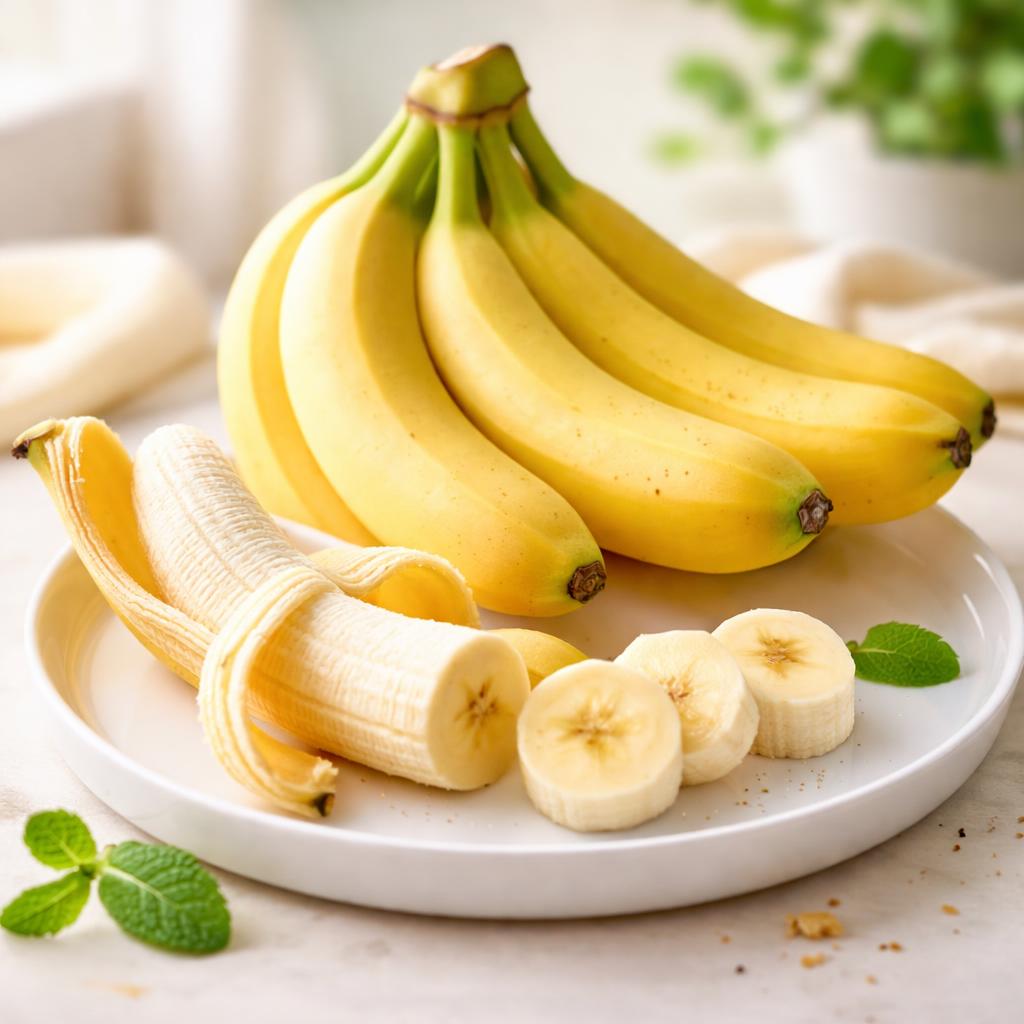
Banana

Custard
🎯 Quick Verdict
Bananas are lower in calories, higher in fiber, and provide natural sugars along with potassium, making them ideal for quick energy. Custard contains more protein and fats, but it is higher in calories due to added sugars. Bananas are well-suited for snacking and sustained energy, while custard serves better for indulgent occasions or higher protein needs.

Smart Nutrition Tracking with SnapCalorie

📊 Nutritional Comparison
Macronutrients
| Nutrient | Food 1 | Food 2 | Winner |
|---|---|---|---|
| Calories | 105 | 200 | − |
| Protein | 1.3g | 5g | − |
| Carbs | 27g | 25g | − |
| Fat | 0.3g | 8g | − |
| Fiber | 3g | 0g | − |
Vitamins & Minerals
| Nutrient | Food 1 | Food 2 | Winner |
|---|---|---|---|
| Vitamin D | 0mcg | 2mcg | − |
| Vitamin C | 10.3mg | 0mg | − |
| Potassium | 422mg | 150mg | − |
🏆 Category Winners
Protein
Custard contains nearly 4x the protein content of banana, largely due to milk ingredients.
Fiber
Banana offers 3g of fiber per serving compared to zero in custard.
Calories
Banana contains 47% fewer calories per serving compared to custard.
Vitamins
Banana excels in vitamin C and potassium, which are key nutrients for health.
🥗 Diet Compatibility
Keto
Food 1: Not Compatible
Food 2: Not Compatible
Both foods are high in carbs, making them unsuitable for keto diets.
Vegan
Food 1: Compatible
Food 2: Not Compatible
Banana is naturally plant-based, while custard contains dairy.
Gluten Free
Food 1: Compatible
Food 2: Compatible
Neither food contains gluten.
Paleo
Food 1: Compatible
Food 2: Not Compatible
Banana is paleo-friendly, but custard is not due to processed ingredients like sugar and dairy.
Low Carb
Food 1: Not Compatible
Food 2: Not Compatible
Both foods contain over 20g of carbohydrates per serving.
💪 Health Benefits Comparison
Food 1 Benefits
- Rich in potassium for heart and muscle function
- Provides natural carbohydrates for quick energy
- Contains fiber to support digestion
- Provides vitamin C for immune health
Food 2 Benefits
- Good source of protein to support muscle maintenance
- Contains vitamin D for bone strength
- Offers fatty acids which can help with energy and satiation
- Provides minimal minerals (e.g., calcium for bone health)
✅ The Bottom Line
Bananas are better suited for low-calorie diets, quick energy, and overall nutrient density, while custard is ideal for those seeking indulgence or moderate protein intake. Choose bananas for snacks or post-workout recovery. Custard may be enjoyed occasionally as a dessert or supplemental protein option.
Choose Food 1 for: Snacks, post-workout energy, digestion, heart health
Choose Food 2 for: Indulgent desserts, protein boost, bone health


