Banana VS Coconut Flour
A detailed nutritional comparison
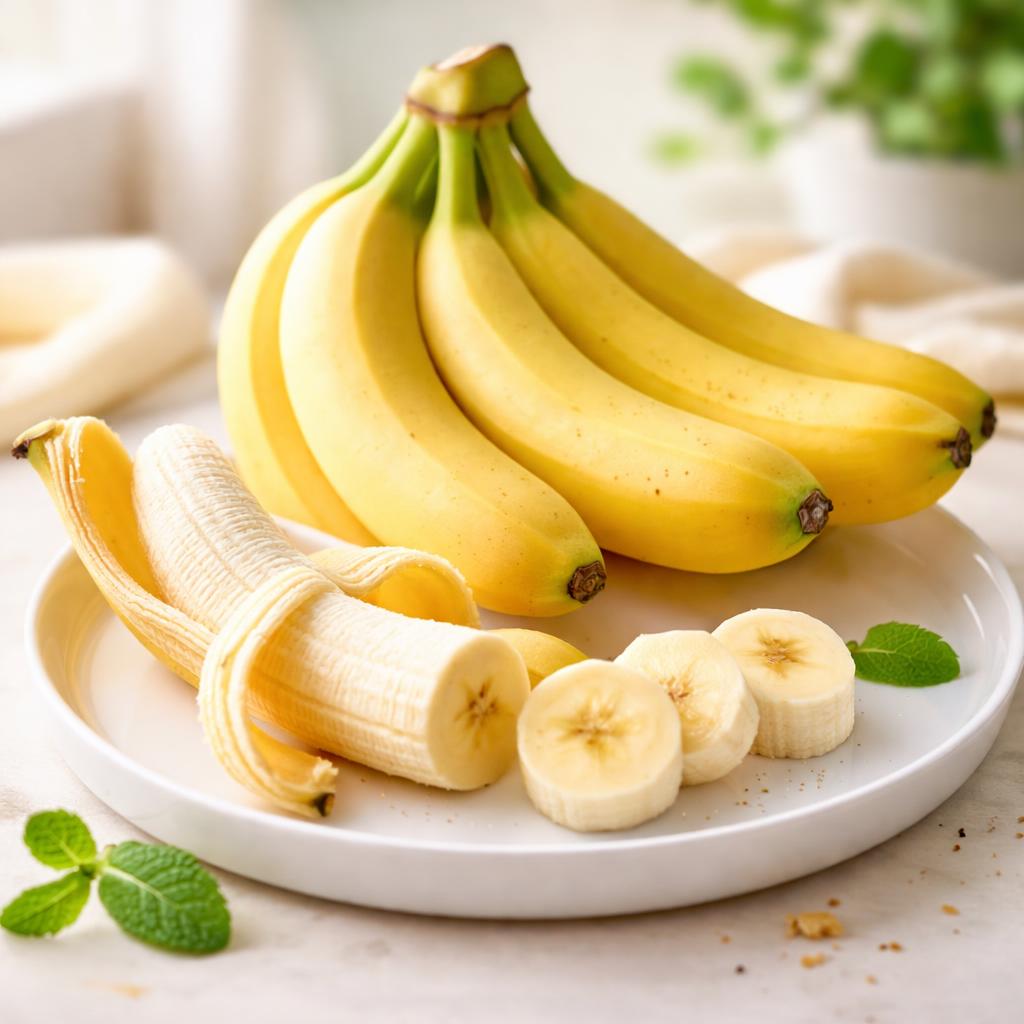
Banana
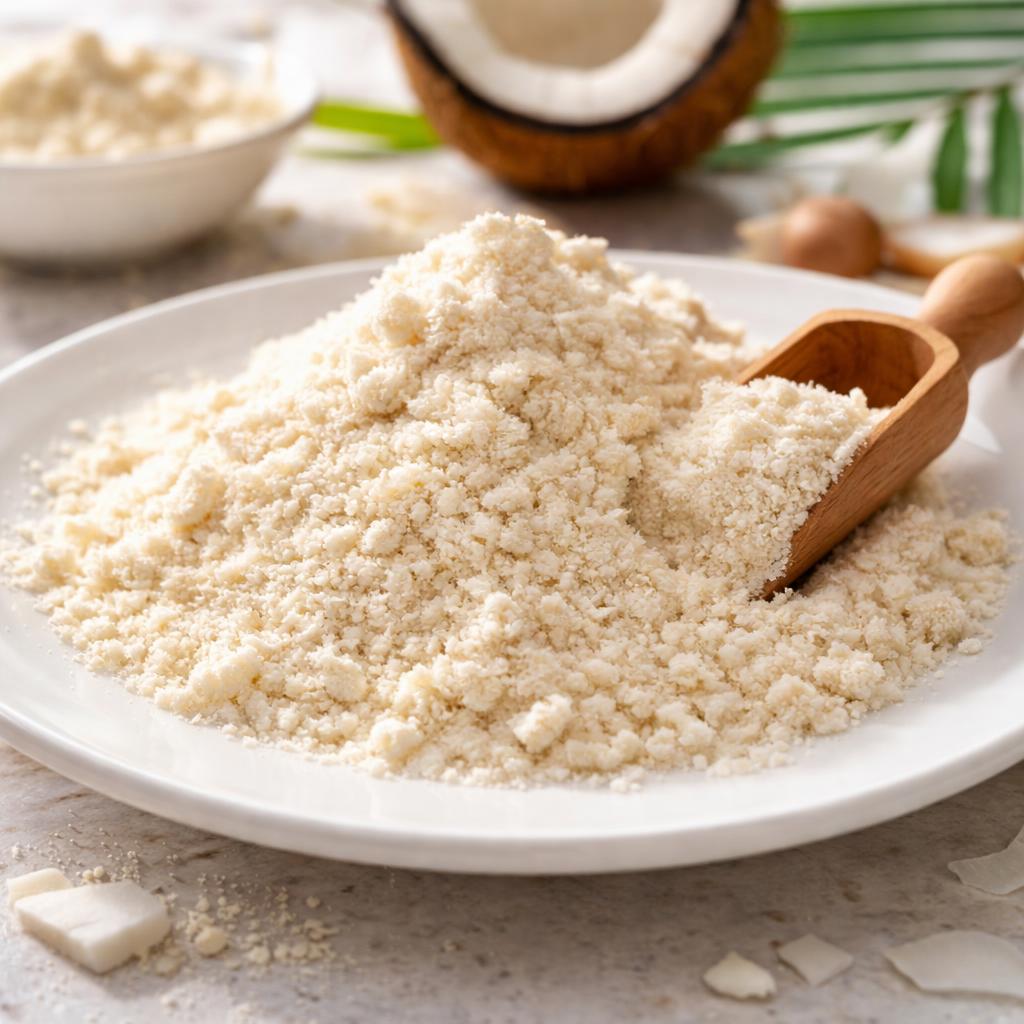
Coconut Flour
🎯 Quick Verdict
Bananas and coconut flour are highly distinct foods with different uses. Bananas offer fewer calories and natural sugars, making them a quick energy source, while coconut flour excels in fiber and protein, suitable for baking and low-carb diets. Each shines in its category and serves unique dietary purposes.

Smart Nutrition Tracking with SnapCalorie

📊 Nutritional Comparison
Macronutrients
| Nutrient | Food 1 | Food 2 | Winner |
|---|---|---|---|
| Calories | 105 | 120 | − |
| Protein | 1.3g | 4g | − |
| Carbs | 27g | 16g | − |
| Fat | 0.3g | 3g | − |
| Fiber | 3g | 10g | − |
Vitamins & Minerals
| Nutrient | Food 1 | Food 2 | Winner |
|---|---|---|---|
| Vitamin C | 10.3mg | 0mg | − |
| Potassium | 422mg | 350mg | − |
| Calcium | 1mg | 40mg | − |
| Iron | 0.3mg | 2mg | − |
🏆 Category Winners
Protein
Coconut flour offers over 3x the protein per serving compared to banana.
Fiber
Coconut flour has over 3x the dietary fiber of a banana, supporting digestion.
Calories
Bananas are lower in calories, making them a lighter snack option.
Vitamins
Bananas excel in vitamins like Vitamin C and potassium, vital for immunity and muscle function.
🥗 Diet Compatibility
Keto
Food 1: Not Compatible
Food 2: Compatible
Coconut flour aligns with keto due to lower carbs; bananas are high in carbs.
Vegan
Food 1: Compatible
Food 2: Compatible
Both are plant-based and suitable for vegan diets.
Gluten Free
Food 1: Compatible
Food 2: Compatible
Neither contains gluten, making them safe for gluten-free diets.
Paleo
Food 1: Compatible
Food 2: Compatible
Both banana and coconut flour align with the paleo diet.
Low-Carb
Food 1: Not Compatible
Food 2: Compatible
Coconut flour is low in net carbs, while bananas are relatively high in carbs.
💪 Health Benefits Comparison
Food 1 Benefits
- Rich in potassium for heart and muscle health
- Contains vitamin C for a strong immune system
- Provides quick energy with natural sugars
- Supports digestion with moderate dietary fiber
Food 2 Benefits
- High dietary fiber promotes digestion and gut health
- Rich in protein helpful for low-carb or keto diets
- Provides healthy fats that support heart health
- Contains calcium and iron for bone health and oxygen transport
✅ The Bottom Line
Bananas are a high-carbohydrate fruit best for quick energy, light snacks, and nutrient support (particularly potassium and vitamin C). Coconut flour is ideal for gluten-free baking, low-carb diets, and fiber-rich recipes. Choose bananas for energy and convenience, and coconut flour for cooking, baking, and specialized diets.
Choose Food 1 for: Energy boost, post-workout recovery, light snacks
Choose Food 2 for: Baking, low-carb recipes, keto-friendly meals


