Banana VS Cocoa
A detailed nutritional comparison
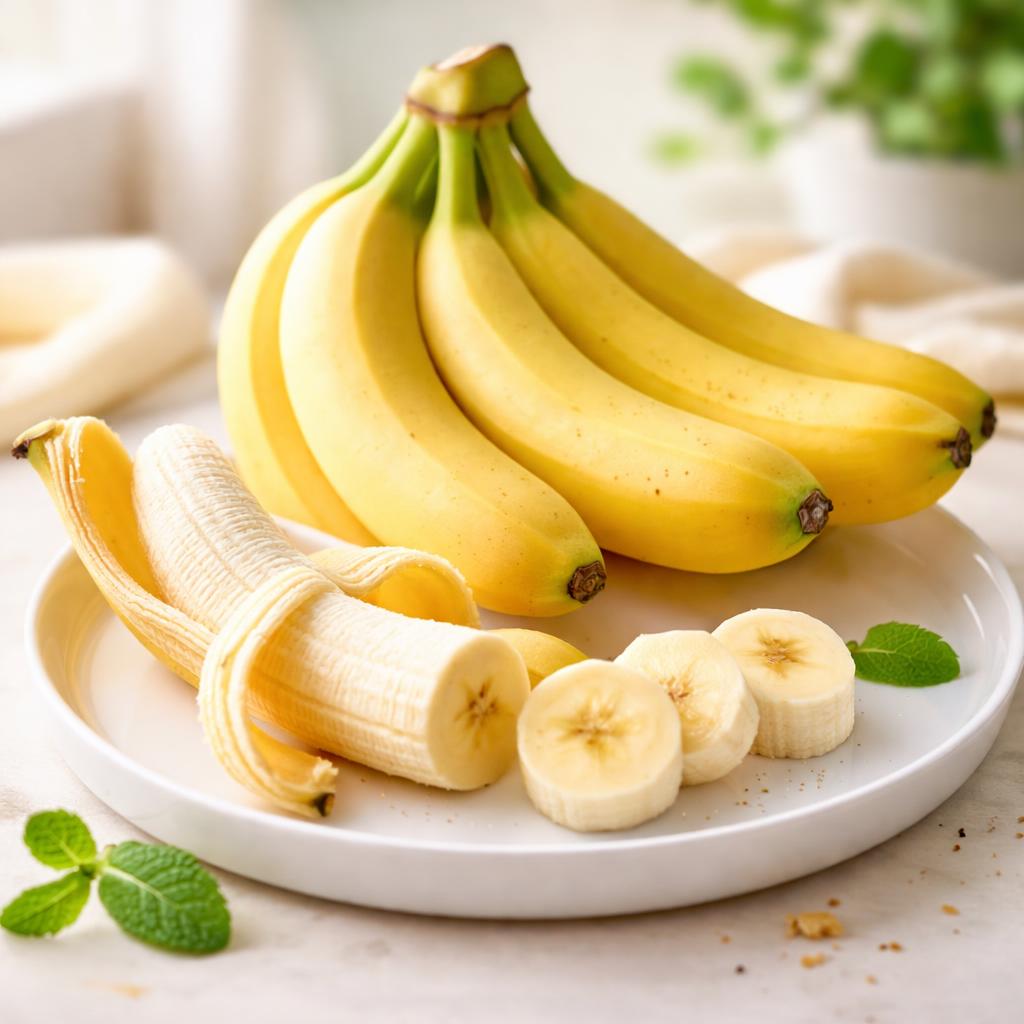
Banana
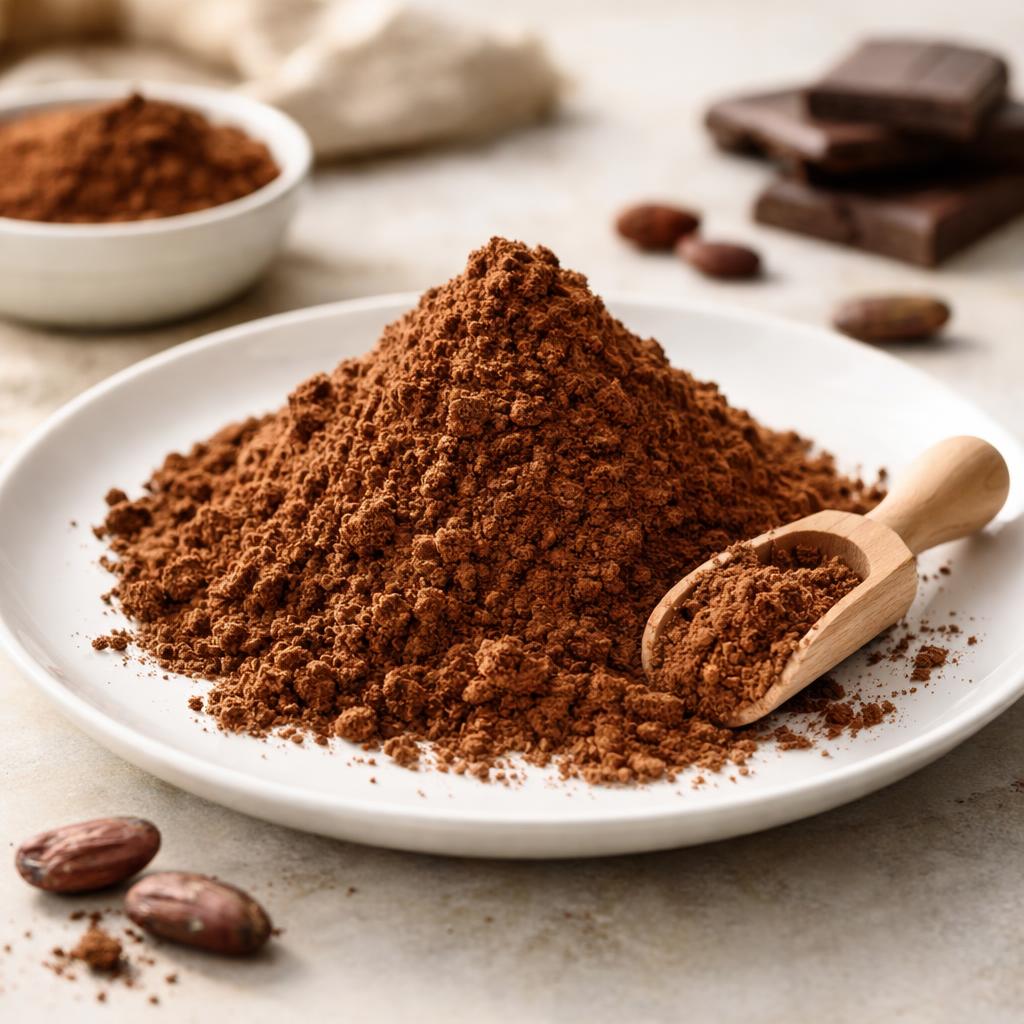
Cocoa
🎯 Quick Verdict
Bananas and cocoa serve different dietary purposes. A banana is lower in calories (105 per medium-sized fruit) and offers quick, natural energy due to its carbs and sugars. Cocoa powder is higher in protein (19.6g per 100g) and fiber but is calorie-dense, with 228 calories per 100g serving. Bananas are great for immediate energy, while cocoa is suitable for adding nutrient density, antioxidants, and flavor to recipes.

Smart Nutrition Tracking with SnapCalorie

📊 Nutritional Comparison
Macronutrients
| Nutrient | Food 1 | Food 2 | Winner |
|---|---|---|---|
| Calories | 105 (medium banana) | 228 per 100g | ✓ |
| Protein | 1.3g | 19.6g | ✓ |
| Carbs | 27g | 57.9g | ✓ |
| Fat | 0.3g | 13.7g | ✓ |
| Fiber | 3.1g | 33.2g | ✓ |
Vitamins & Minerals
| Nutrient | Food 1 | Food 2 | Winner |
|---|---|---|---|
| Vitamin D | 0mcg | 0mcg | − |
| Calcium | 6mg | 128mg | ✓ |
| Iron | 0.3mg | 13.9mg | ✓ |
| Potassium | 422mg | 1524mg | ✓ |
🏆 Category Winners
Protein
Cocoa is significantly higher in protein with almost 20g per 100g.
Fiber
Cocoa is packed with fiber, offering over 10 times the amount found in bananas.
Calories
Bananas are lower in calories compared to cocoa powder.
🥗 Diet Compatibility
Keto
Food 1: Not Compatible
Food 2: Compatible
Bananas are high in carbs, while cocoa is low-carb and suitable for keto diets.
Vegan
Food 1: Compatible
Food 2: Compatible
Both are plant-based and appropriate for vegan diets.
Gluten Free
Food 1: Compatible
Food 2: Compatible
Neither food contains gluten naturally.
Paleo
Food 1: Compatible
Food 2: Compatible with restrictions
Bananas are paleo-friendly, but cocoa must be consumed in raw, unprocessed form.
Low Carb
Food 1: Not Compatible
Food 2: Compatible
Bananas are high in carbs, whereas cocoa is low-carb depending on serving size.
💪 Health Benefits Comparison
Food 1 Benefits
- Rich in potassium for heart health and muscle function
- Good source of quick, natural energy for workouts
- Contains vitamins such as B6, C for immune function
Food 2 Benefits
- High in fiber for digestive health
- Rich in antioxidants like flavonoids that support heart health
- Provides iron and magnesium for energy metabolism
✅ The Bottom Line
Bananas and cocoa complement different dietary goals. Choose bananas for fast energy and pre-workout consumption, while cocoa is a nutrient-dense ingredient best suited for recipes, protein needs, or antioxidant-rich diets.
Choose Food 1 for: Quick energy, workouts, potassium intake
Choose Food 2 for: High fiber diets, antioxidant-rich recipes, keto-friendly nutrition


