Banana VS Chutney
A detailed nutritional comparison
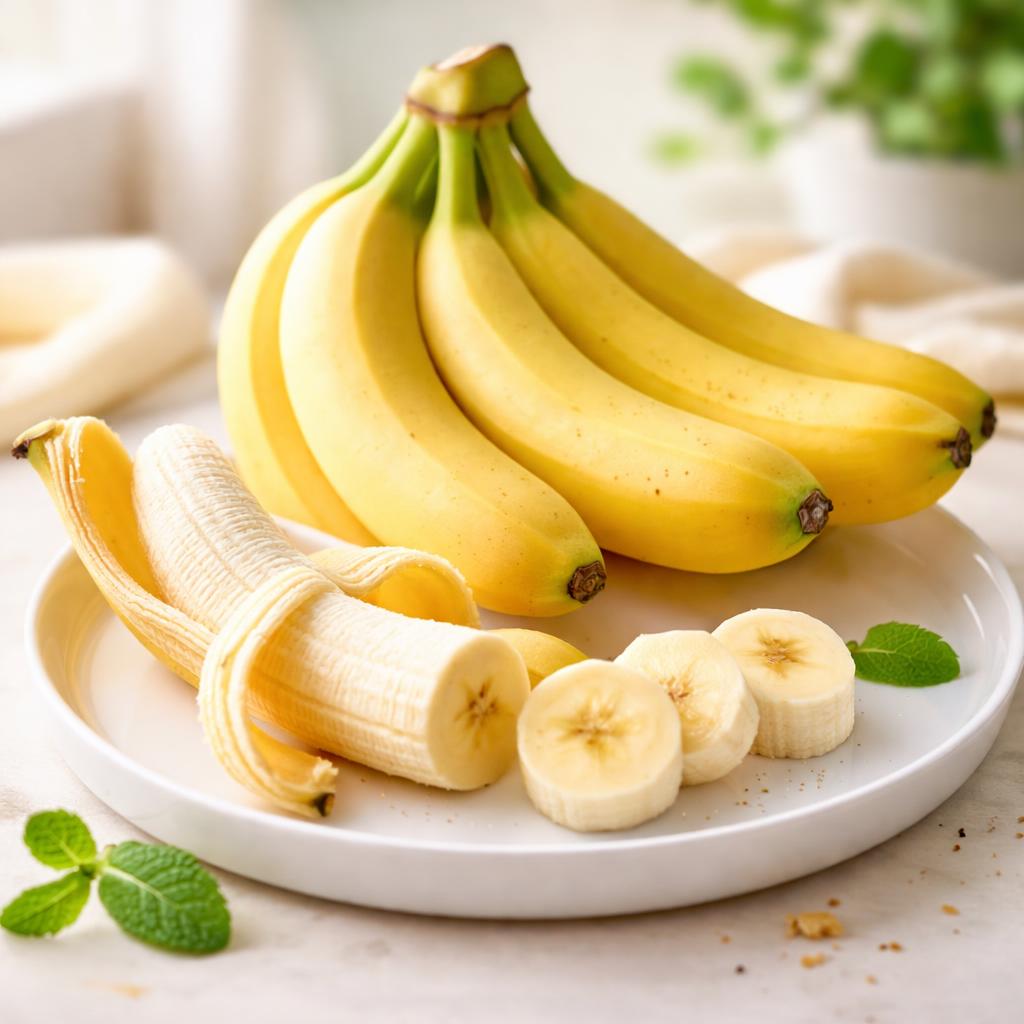
Banana
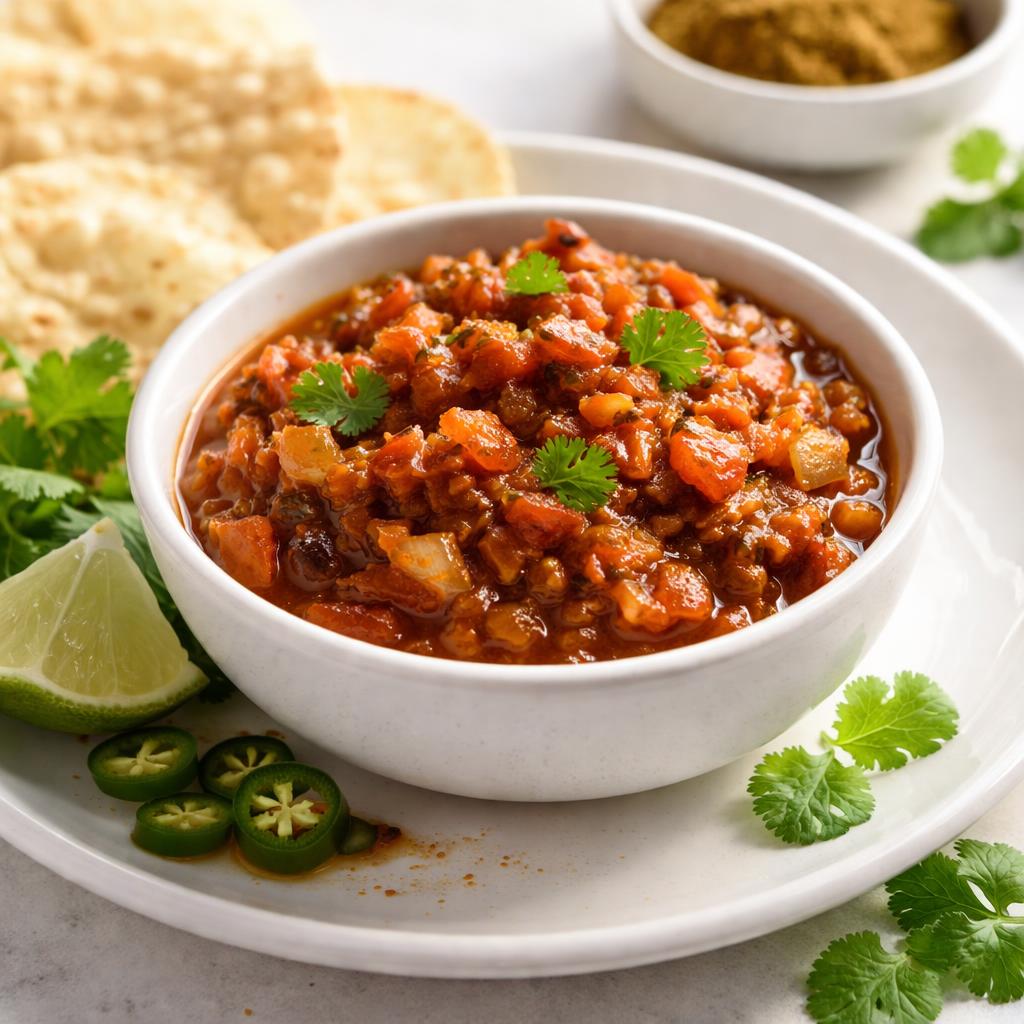
Chutney
🎯 Quick Verdict
Bananas are nutrient-dense, providing more protein, fiber, potassium, and vitamins compared to chutney, which is higher in calories and typically lower in these nutrients. Bananas are excellent for energy, digestion, and overall health, while chutney serves as a flavorful condiment but is less nutritionally dense when consumed in typical portions.

Smart Nutrition Tracking with SnapCalorie

📊 Nutritional Comparison
Macronutrients
| Nutrient | Food 1 | Food 2 | Winner |
|---|---|---|---|
| Calories | 105 | 140 | ✓ |
| Protein | 1.3g | 0.5g | ✓ |
| Carbs | 27g | 35g | ✓ |
| Fat | 0.3g | 1g | ✓ |
| Fiber | 3g | 0.7g | ✓ |
Vitamins & Minerals
| Nutrient | Food 1 | Food 2 | Winner |
|---|---|---|---|
| Vitamin C | 10mg | 2mg | ✓ |
| Potassium | 422mg | 45mg | ✓ |
| Iron | 0.3mg | 0.1mg | ✓ |
| Vitamin D | 0mcg | 0mcg | − |
🏆 Category Winners
Protein
Banana contains more protein and is protein-rich for its plant-based nature.
Fiber
Banana contains 330% more fiber than chutney, aiding digestibility.
Calories
Banana has fewer calories per typical serving.
🥗 Diet Compatibility
Keto
Food 1: Not Compatible
Food 2: Not Compatible
Both foods are high in carbs, making them unsuitable for keto diets.
Vegan
Food 1: Compatible
Food 2: Compatible
Both foods are plant-based and suitable for vegan diets.
Gluten Free
Food 1: Compatible
Food 2: Compatible
Neither foods contain gluten ingredients.
Paleo
Food 1: Compatible
Food 2: Partially Compatible
Bananas align well with paleo principles, but some chutneys may include non-paleo ingredients like refined sugars.
Low Carb
Food 1: Not Compatible
Food 2: Not Compatible
Both foods are high-carb and not ideal for low-carb diets.
💪 Health Benefits Comparison
Food 1 Benefits
- High in potassium for heart health and muscle function
- Rich in dietary fiber for improved digestion
- Contains natural sugars for immediate energy boost
- Good source of vitamin C, supporting immunity
Food 2 Benefits
- Adds flavor and variety to meals
- Contains some antioxidants depending on ingredients
- Low in fat compared to other condiments
- May provide trace minerals like iron if made from spices
✅ The Bottom Line
Bananas are the superior choice nutritionally, offering more protein, fiber, vitamins, and minerals. Chutney is best used sparingly as a flavorful addition to meals, but it doesn’t provide significant nutritional benefits. Choose bananas for standalone snacks, energy boosts, or post-workout recovery, and use chutney as a condiment for added flavor in curries or sandwiches.
Choose Food 1 for: Energy boosting, weight management, digestion support
Choose Food 2 for: Flavor enhancement, pairing with meals


