Banana VS Chili Crunch
A detailed nutritional comparison
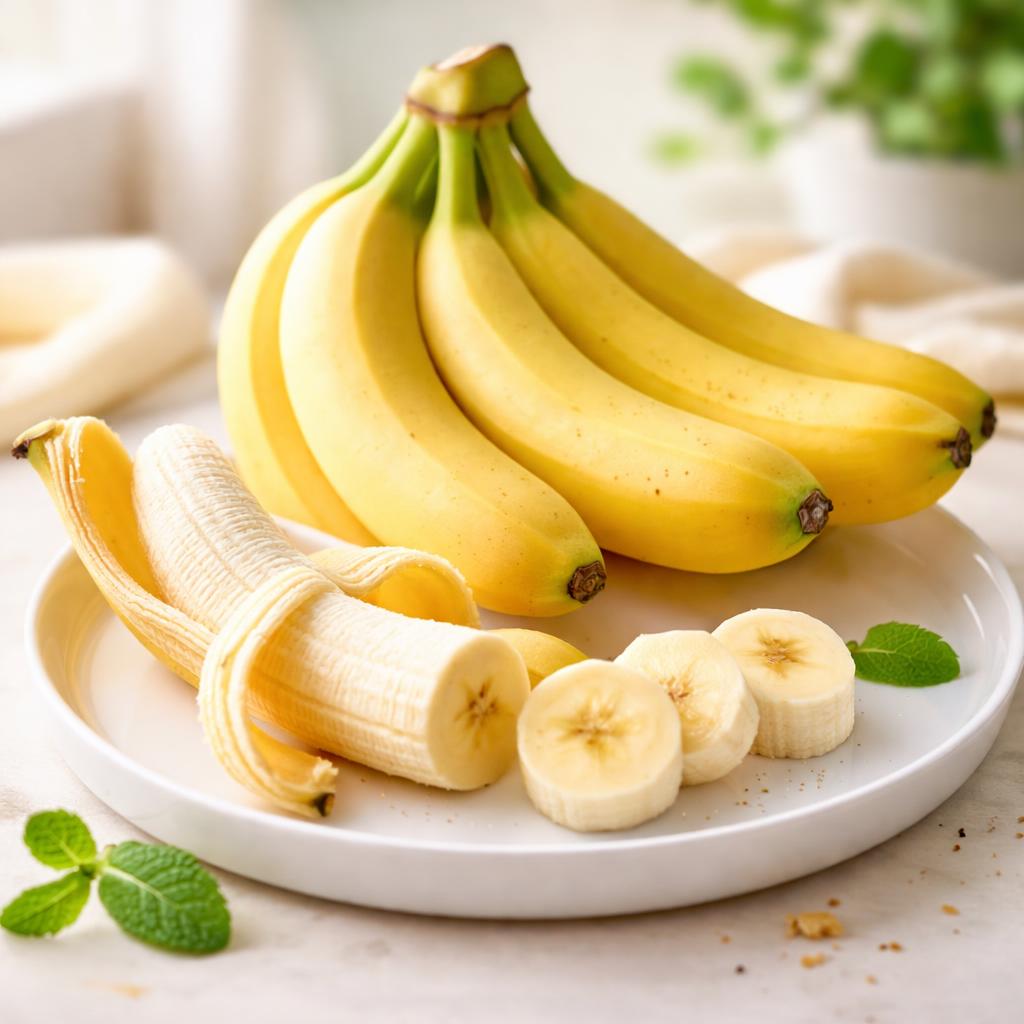
Banana
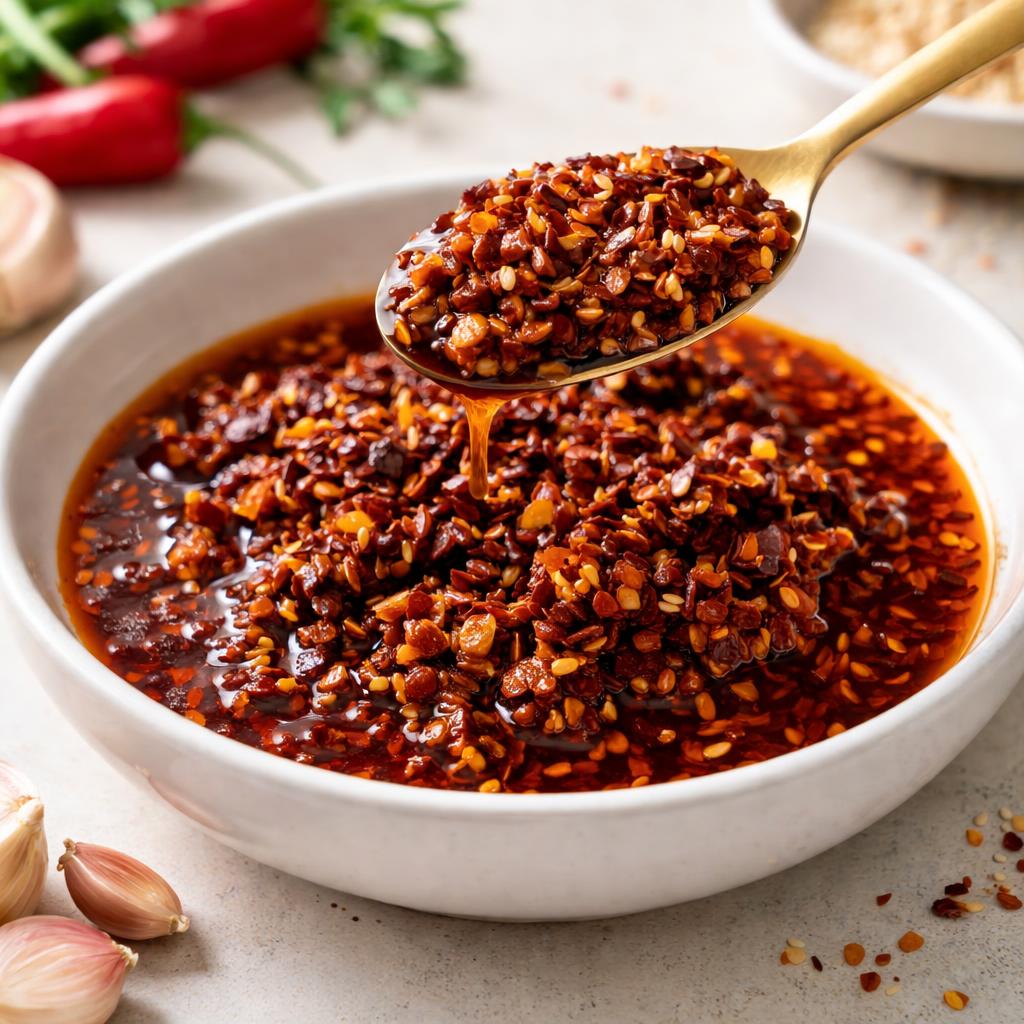
Chili Crunch
🎯 Quick Verdict
Bananas are a nutrient-dense fruit providing natural sugars, fiber, and essential vitamins, making them great for energy and digestion. Chili crunch is higher in protein and fats, with spicy, bold flavors, and is ideal as a savory condiment but calorie-dense, making portion control important.

Smart Nutrition Tracking with SnapCalorie

📊 Nutritional Comparison
Macronutrients
| Nutrient | Food 1 | Food 2 | Winner |
|---|---|---|---|
| Calories | 105 | 120 | ✓ |
| Protein | 1.3g | 2g | ✓ |
| Carbs | 27g | 6g | ✓ |
| Fat | 0.3g | 11g | ✓ |
| Fiber | 3g | 1g | ✓ |
Vitamins & Minerals
| Nutrient | Food 1 | Food 2 | Winner |
|---|---|---|---|
| Vitamin C | 10mg | 0mg | ✓ |
| Vitamin A | 0mcg | 100mcg | ✓ |
| Potassium | 422mg | 50mg | ✓ |
| Iron | 0.3mg | 0.7mg | ✓ |
🏆 Category Winners
Protein
Chili crunch contains 54% more protein than bananas.
Fiber
Bananas have three times the fiber per serving compared to chili crunch.
Calories
Bananas are 15% lower in calories than chili crunch.
Vitamins
Bananas excel in Vitamin C, while chili crunch is richer in Vitamin A and Iron.
🥗 Diet Compatibility
Keto
Food 1: Not Compatible
Food 2: Compatible
Food2 is low-carb and high-fat, ideal for keto.
Vegan
Food 1: Compatible
Food 2: Compatible
Both are entirely plant-based foods.
Gluten Free
Food 1: Compatible
Food 2: Compatible
Neither food contains gluten.
Paleo
Food 1: Compatible
Food 2: Not Compatible
Food1 is a natural unprocessed fruit, whereas chili crunch contains processed oils.
Low Carb
Food 1: Not Compatible
Food 2: Compatible
Food2 has fewer carbs compared to food1, making it better for low-carb diets.
💪 Health Benefits Comparison
Food 1 Benefits
- Rich in potassium for heart and muscle health
- Good source of fiber to aid digestion
- Contains Vitamin C for immune system support
- Provides natural sugars for quick energy boosts
Food 2 Benefits
- High in healthy fats which support brain and heart health
- Contains capsaicin, which may boost metabolism
- Rich in iron to support blood health
- Contributes bold flavor to meals for improved dietary satisfaction
✅ The Bottom Line
Bananas are ideal for quick, wholesome energy with plenty of fiber and potassium, making them great for breakfast or post-workout snacks. Chili crunch excels as a flavorful addition to meals, providing healthy fats, a modest protein boost, and unique nutritional perks like capsaicin for metabolism.
Choose Food 1 for: Energy boost, digestion, post-workout snack
Choose Food 2 for: Flavor enhancement, keto diets, nutrient density


