Banana VS Cereal With Milk
A detailed nutritional comparison
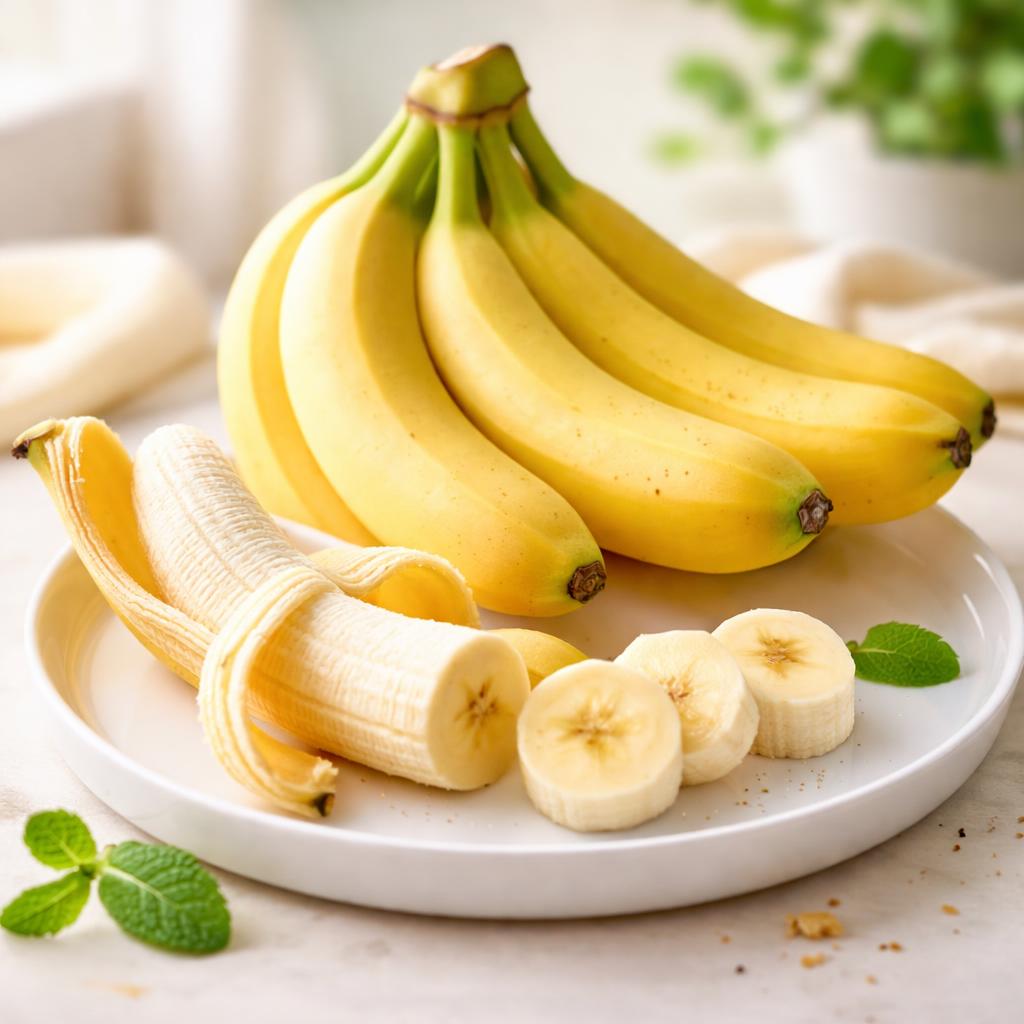
Banana
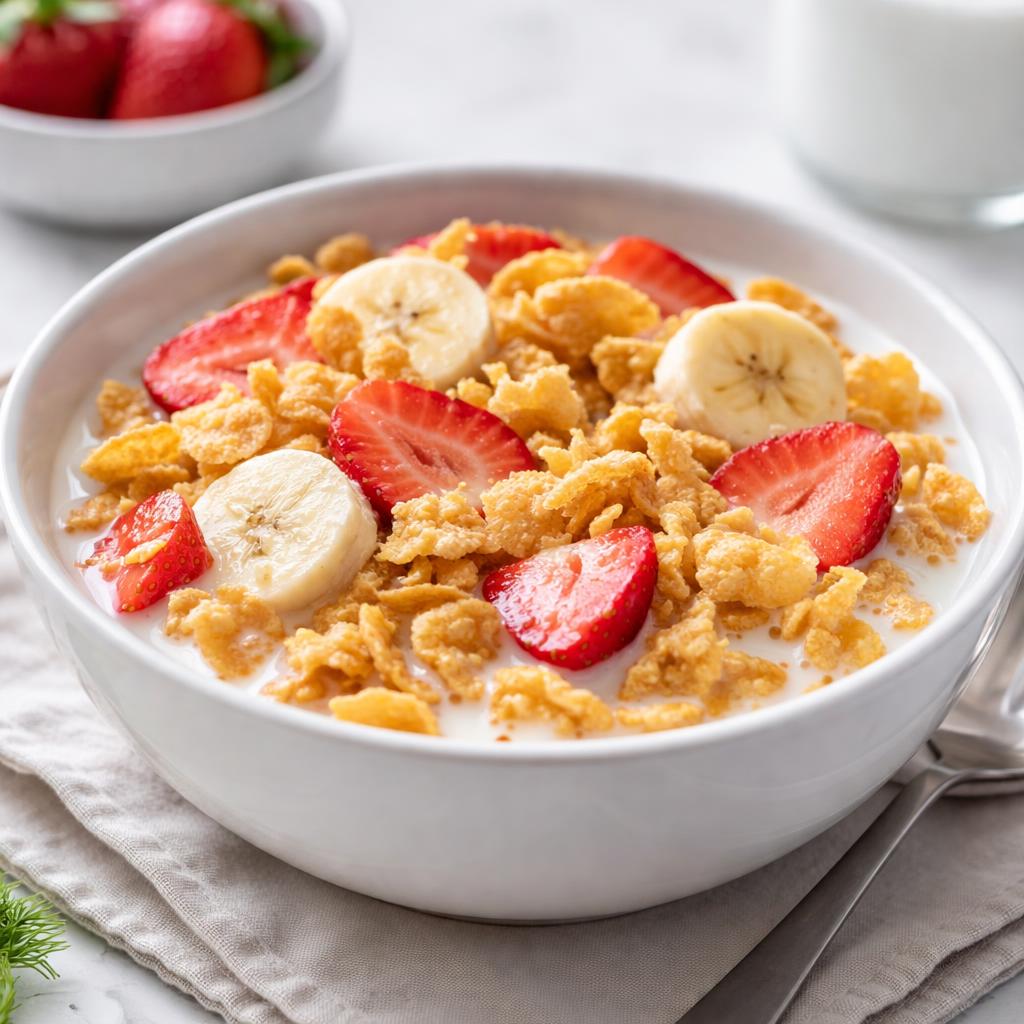
Cereal With Milk
🎯 Quick Verdict
Cereal with milk is more protein-rich (7g vs 1g) and nutrient-dense, ideal for muscle building and sustained energy, while a banana is lower in calories (105 vs 150) and higher in fiber (3g vs 2g), making it great for digestion and quick energy. Both foods serve different needs depending on personal goals and dietary preferences.

Smart Nutrition Tracking with SnapCalorie

📊 Nutritional Comparison
Macronutrients
| Nutrient | Food 1 | Food 2 | Winner |
|---|---|---|---|
| Calories | 105 | 150 | ✓ |
| Protein | 1g | 7g | ✓ |
| Carbs | 27g | 23g | ✓ |
| Fat | 0.3g | 3g | ✓ |
| Fiber | 3g | 2g | ✓ |
Vitamins & Minerals
| Nutrient | Food 1 | Food 2 | Winner |
|---|---|---|---|
| Vitamin C | 10.3mg | 0mg | ✓ |
| Calcium | 6mg | 150mg | ✓ |
| Iron | 0.3mg | 2mg | ✓ |
| Vitamin D | 0mcg | 2mcg | ✓ |
🏆 Category Winners
Protein
Cereal with milk contains 600% more protein than a banana.
Fiber
Banana offers 50% more fiber than cereal with milk.
Calories
Banana contains 30% fewer calories compared to cereal with milk.
Vitamins
Cereal with milk is richer in calcium, iron, and vitamin D, making it nutritionally dense overall.
🥗 Diet Compatibility
Keto
Food 1: Not Compatible
Food 2: Not Compatible
Both are high-carb foods and don't fit keto guidelines.
Vegan
Food 1: Compatible
Food 2: Not Compatible
Milk makes cereal non-vegan, whereas a banana is entirely plant-based.
Gluten Free
Food 1: Compatible
Food 2: Depends
Bananas are naturally gluten-free; cereal depends on type (some contain grains containing gluten).
Paleo
Food 1: Compatible
Food 2: Not Compatible
Banana fits paleo guidelines, but cereal and milk are processed foods not allowed.
Low Carbohydrate
Food 1: Not Compatible
Food 2: Not Compatible
Both foods are relatively high in carbs (27g and 23g respectively).
💪 Health Benefits Comparison
Food 1 Benefits
- High in fiber for improved digestion
- Rich in potassium for heart and muscle function
- Good source of vitamin C for immune support
- Low in fat and calories for weight control
Food 2 Benefits
- Provides high protein for muscle repair and growth
- Rich in calcium for strong bones
- Contains iron for oxygen transport in the blood
- Includes vitamin D for better calcium absorption
✅ The Bottom Line
Choose a banana for a low-calorie, fiber-rich snack and quick energy boost, or cereal with milk for a protein-packed meal with sustaining energy and key nutrients like calcium and vitamin D. Both have unique roles and depend on individual dietary goals.
Choose Food 1 for: Quick snacks, digestion, low-calorie, paleo-friendly diets
Choose Food 2 for: Breakfasts, muscle-building, nutrient density, sustained energy


