Banana VS Celery Juice
A detailed nutritional comparison
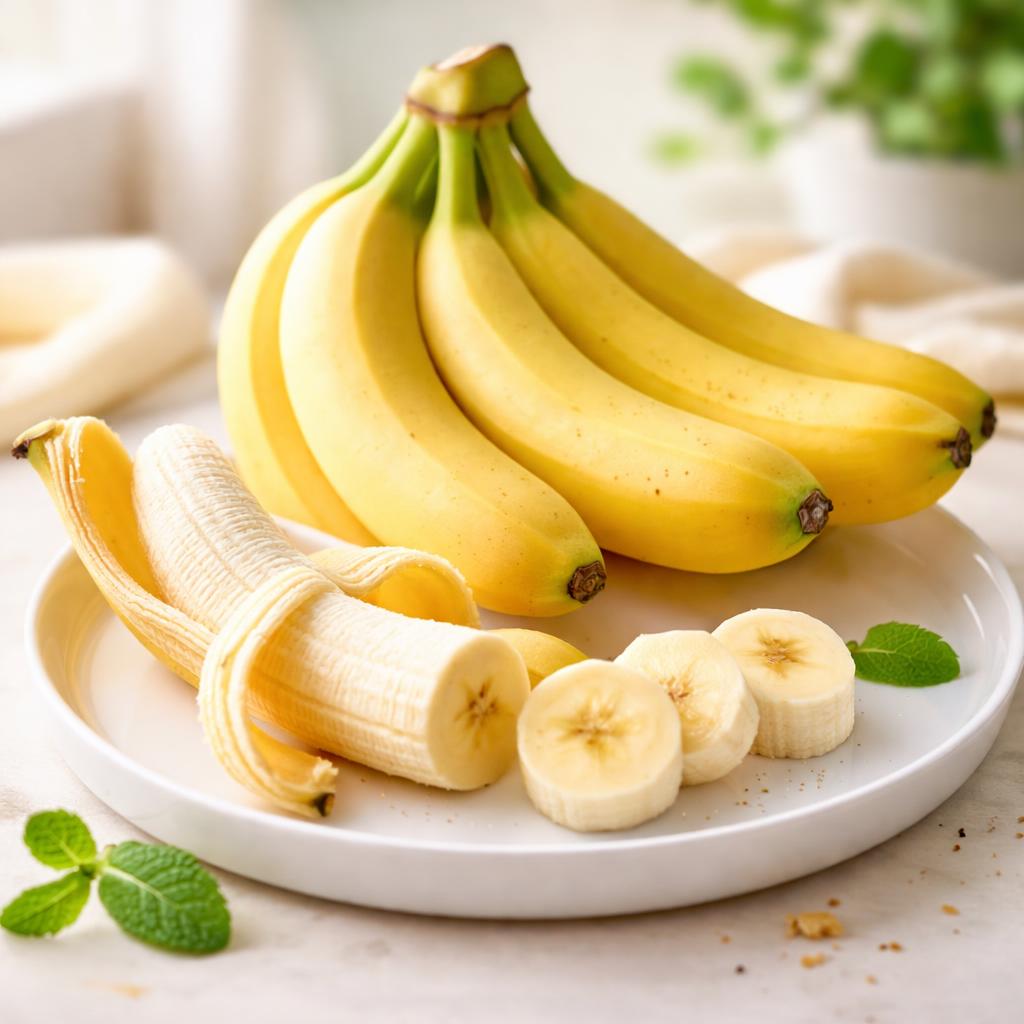
Banana
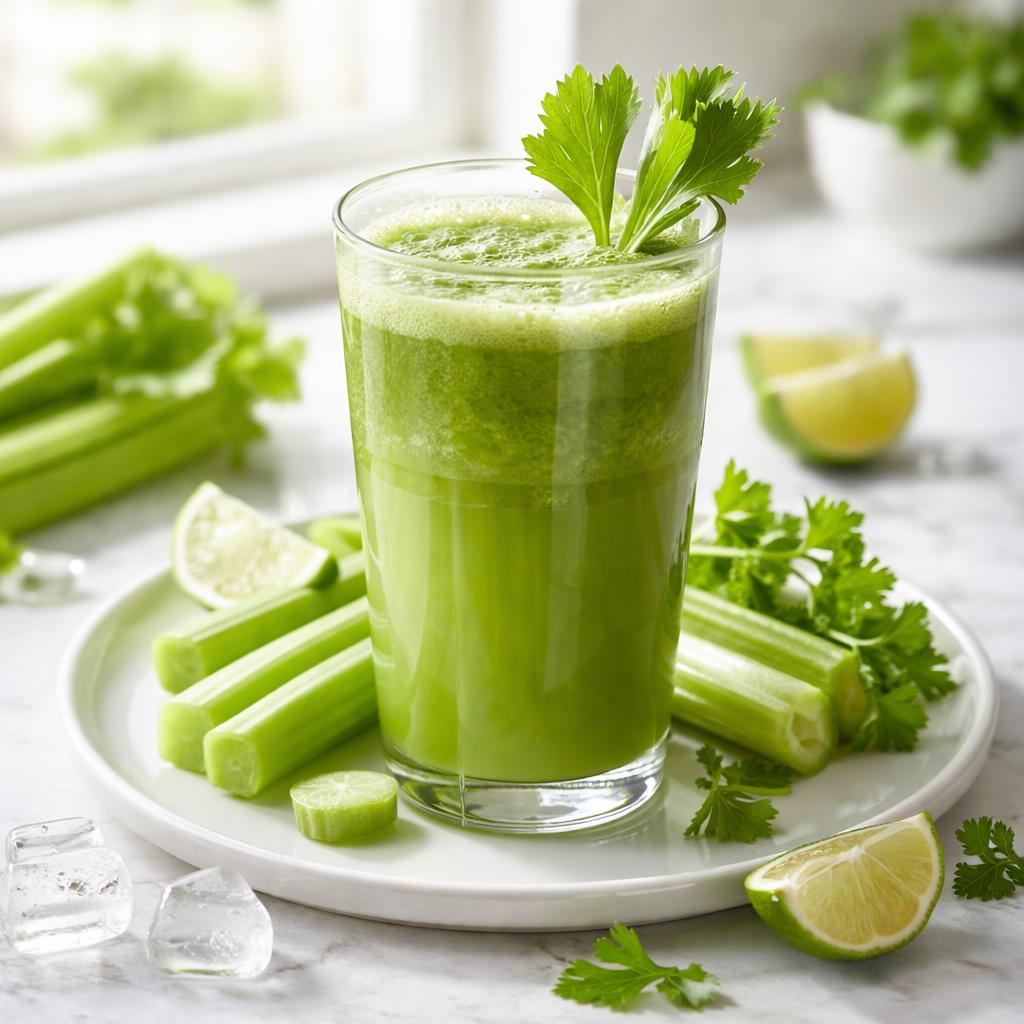
Celery Juice
🎯 Quick Verdict
Bananas are higher in key nutrients including fiber, potassium, and vitamin C, making them an excellent energy-boosting snack. Celery juice is extremely low in calories and rich in hydration, suitable for those prioritizing low-calorie options or detox diets. Choose bananas for sustained energy and fiber; opt for celery juice for low calories and hydration benefits.

Smart Nutrition Tracking with SnapCalorie

📊 Nutritional Comparison
Macronutrients
| Nutrient | Food 1 | Food 2 | Winner |
|---|---|---|---|
| Calories | 105 | 40 | ✓ |
| Protein | 1.3g | 1g | − |
| Carbs | 27g | 9g | ✓ |
| Fat | 0.3g | 0.2g | ✓ |
| Fiber | 3.1g | 0.5g | ✓ |
Vitamins & Minerals
| Nutrient | Food 1 | Food 2 | Winner |
|---|---|---|---|
| Vitamin C | 10.3mg | 7mg | ✓ |
| Potassium | 422mg | 140mg | ✓ |
| Vitamin K | 0.5mcg | 29mcg | ✓ |
🏆 Category Winners
Protein
Both foods contain similar protein levels (~1g per serving).
Fiber
Bananas have over 6x more fiber per serving compared to celery juice.
Calories
Celery juice has 62% fewer calories than bananas, ideal for calorie-controlled diets.
Vitamins
Bananas are higher in potassium and vitamin C, though celery juice excels in vitamin K.
🥗 Diet Compatibility
Keto
Food 1: Not Compatible
Food 2: Compatible
Bananas are high-carb, while celery juice is low-carb with only 9g per serving.
Vegan
Food 1: Compatible
Food 2: Compatible
Both bananas and celery juice are plant-based.
Gluten Free
Food 1: Compatible
Food 2: Compatible
Neither food contains gluten or gluten-containing substances.
Paleo
Food 1: Compatible
Food 2: Compatible
Both foods align with paleo dietary principles.
Low-Carb
Food 1: Not Compatible
Food 2: Compatible
Celery juice is low-carb with only 9g per serving, compared to 27g in bananas.
💪 Health Benefits Comparison
Food 1 Benefits
- Rich in potassium for heart health and muscle function
- Provides natural energy due to higher carbohydrate content
- Source of dietary fiber for improved digestion
- Contains vitamin C for immune system support
Food 2 Benefits
- Ultra-low calorie, excellent for calorie-controlled diets
- Rich in hydration, supports overall fluid balance
- Provides vitamin K for blood clotting and bone health
- Contains antioxidants for detoxification and reducing inflammation
✅ The Bottom Line
Bananas are an ideal choice for quick energy, digestive health, and higher micronutrient density. Celery juice is great for hydration, low-calorie diets, and detox purposes. Consider your dietary goals—select bananas for sustained energy and nutrients, or celery juice for light refreshment and calorie-conscious needs.
Choose Food 1 for: Energy boost, digestive health, post-workout snack
Choose Food 2 for: Calorie control, detox diets, hydration enhancement


