Banana VS Blueberry Smoothie
A detailed nutritional comparison
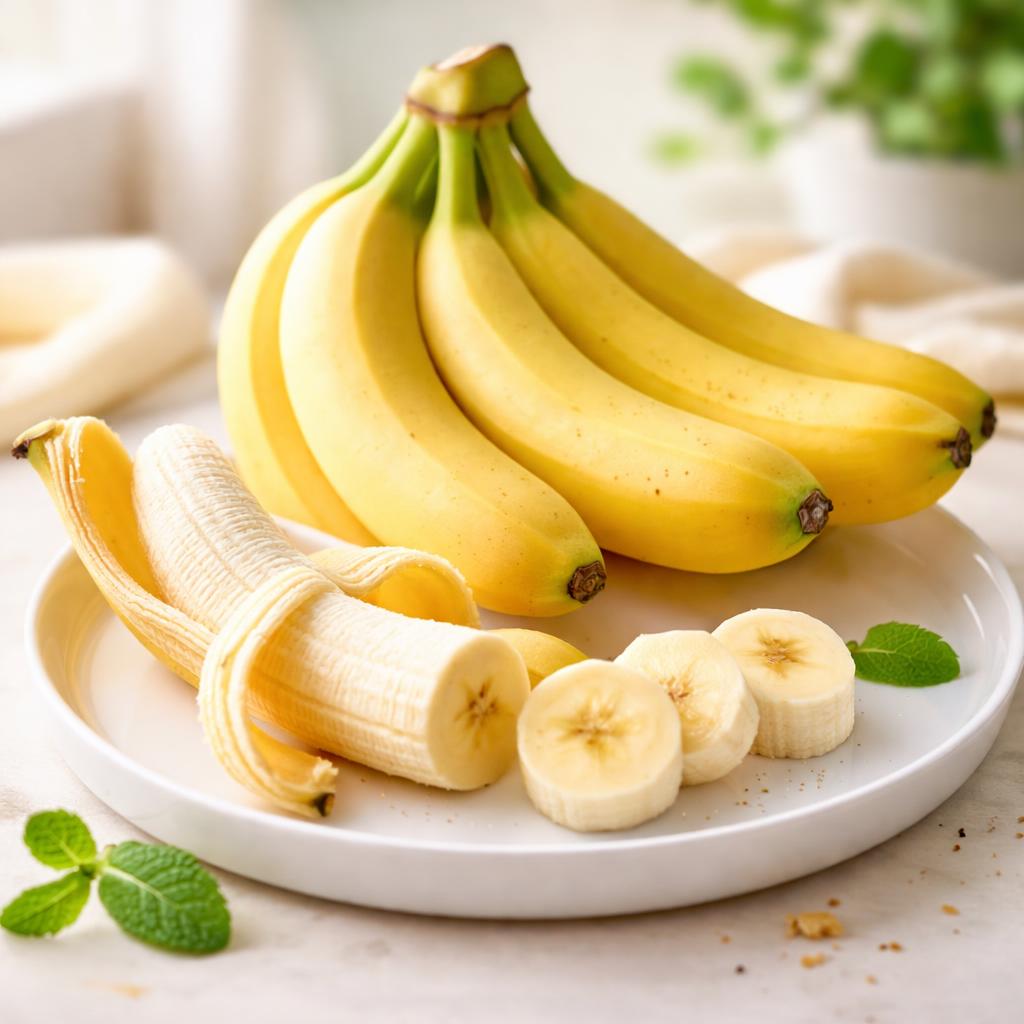
Banana
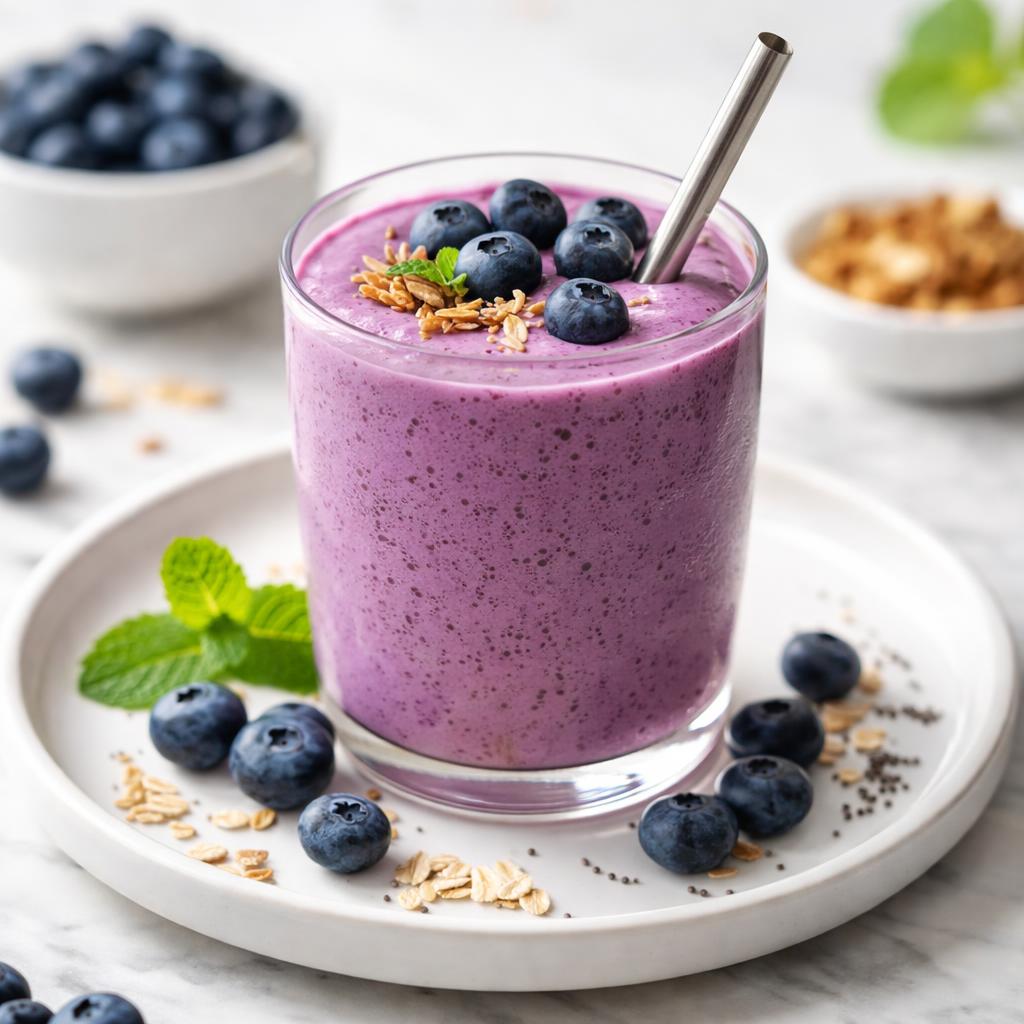
Blueberry Smoothie
🎯 Quick Verdict
Blueberry smoothie offers higher protein and fiber, making it a better choice for satiation and nutrition density, while bananas shine with lower calories and being easy-to-eat fruit snacks. Both are suitable for vegan diets, but the smoothie provides more nutrient variety based on added ingredients.

Smart Nutrition Tracking with SnapCalorie

📊 Nutritional Comparison
Macronutrients
| Nutrient | Food 1 | Food 2 | Winner |
|---|---|---|---|
| Calories | 105 | 150 | ✓ |
| Protein | 1.3g | 5g | ✓ |
| Carbs | 27g | 33g | ✓ |
| Fat | 0.3g | 2g | ✓ |
| Fiber | 3g | 4g | ✓ |
Vitamins & Minerals
| Nutrient | Food 1 | Food 2 | Winner |
|---|---|---|---|
| Vitamin C | 10mg | 15mg | ✓ |
| Vitamin D | 0mcg | 1mcg | ✓ |
| Calcium | 6mg | 50mg | ✓ |
| Iron | 0.3mg | 1mg | ✓ |
🏆 Category Winners
Protein
Food2 contains nearly 4x more protein due to added ingredients in the smoothie.
Fiber
Food2 has higher fiber content, improving digestion.
Calories
Food1 has 30% fewer calories and is ideal for low-calorie diets.
🥗 Diet Compatibility
Keto
Food 1: Not Compatible
Food 2: Not Compatible
Both are high in carbs.
Vegan
Food 1: Compatible
Food 2: Compatible
Both are plant-based.
Gluten Free
Food 1: Compatible
Food 2: Compatible
Neither contains gluten.
Paleo
Food 1: Compatible
Food 2: Depends on ingredients
Bananas align with paleo diets. Smoothie depends on non-dairy and non-processed components.
Low Carb
Food 1: Not Compatible
Food 2: Not Compatible
Both are high-carb options.
💪 Health Benefits Comparison
Food 1 Benefits
- Provides quick energy with natural sugars
- Rich in potassium for heart and muscle health
- A good source of fiber for digestion
Food 2 Benefits
- Higher protein supports muscle and tissue repair
- Rich in antioxidants from blueberries
- Contains added vitamins and minerals depending on smoothie composition
✅ The Bottom Line
Bananas are the better choice for a quick, low-calorie snack or addition to meals, especially on their own. Blueberry smoothies are more nutrient-dense and protein-rich, making them preferable for satiating beverages post-workout or for sustained energy.
Choose Food 1 for: Weight-loss-friendly snack, low-calorie diets, quick energy
Choose Food 2 for: Post-workout nutrition, nutrient-dense meal, improved digestion and antioxidants


