Banana VS Avocado Smoothie
A detailed nutritional comparison
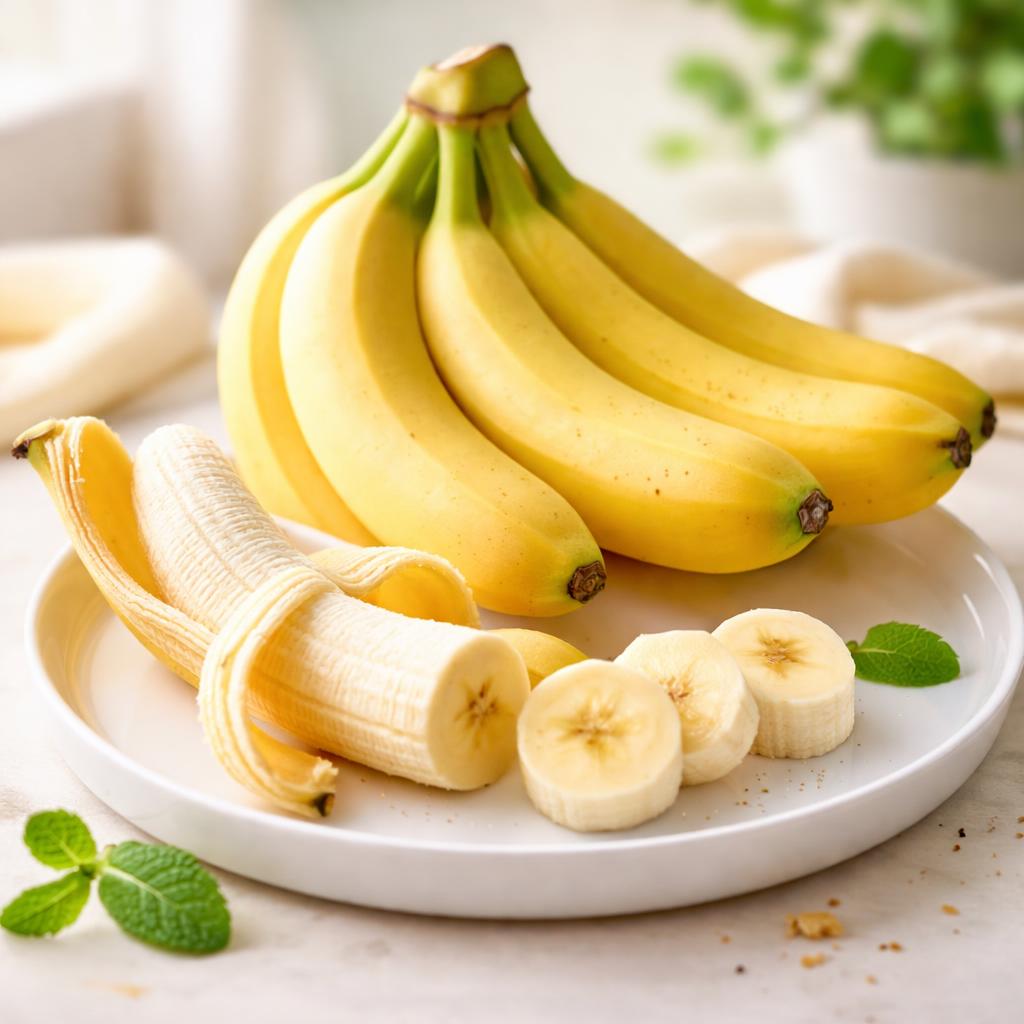
Banana
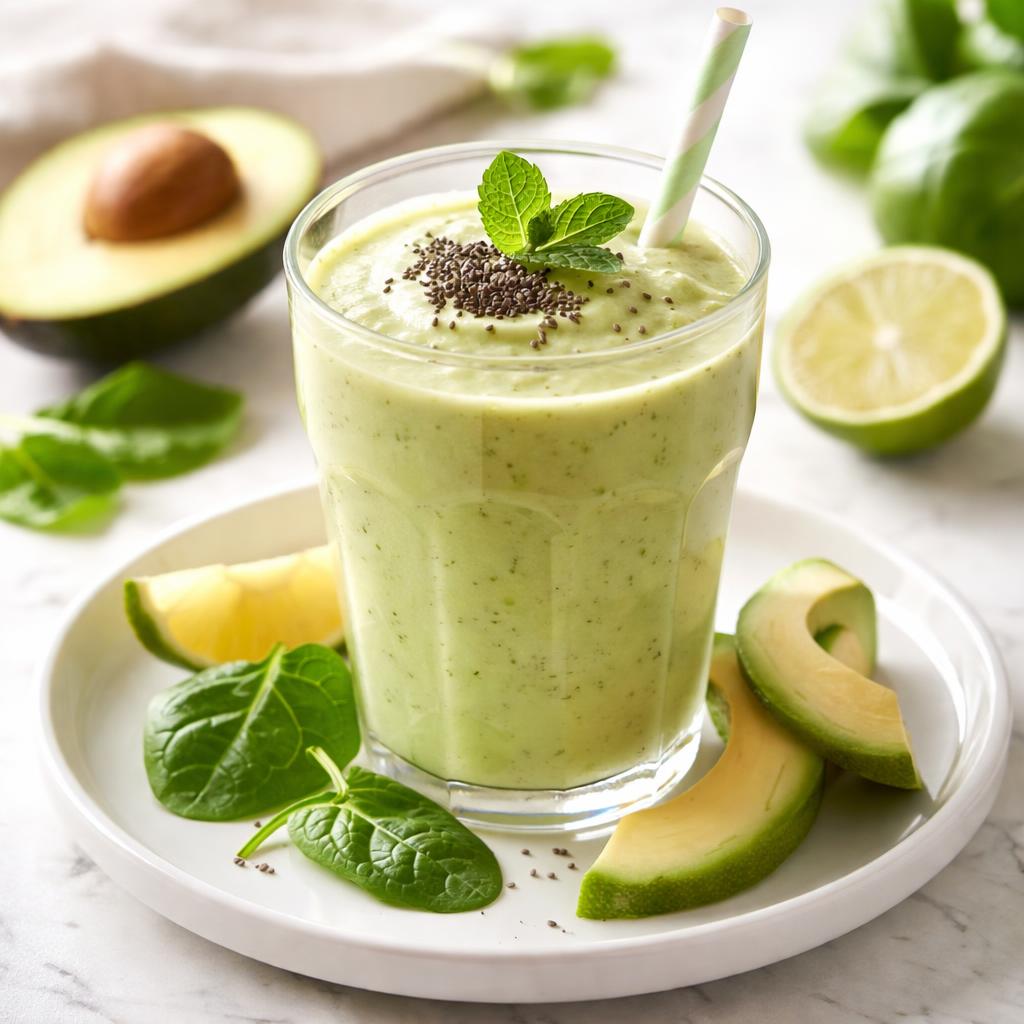
Avocado Smoothie
🎯 Quick Verdict
Bananas are a lower-calorie fruit primarily providing fast-acting carbs, potassium, and vitamin C. Avocado smoothies are nutrient-dense, offering higher healthy fats, protein, and fiber, as well as additional vitamins like vitamin E and folate. Bananas are great for quick energy boosts, while avocado smoothies are more balanced and filling for sustained nourishment.

Smart Nutrition Tracking with SnapCalorie

📊 Nutritional Comparison
Macronutrients
| Nutrient | Food 1 | Food 2 | Winner |
|---|---|---|---|
| Calories | 105 | 250 (estimate for a 12 oz serving) | ✓ |
| Protein | 1.3g | 6g | ✓ |
| Carbs | 27g | 22g | ✓ |
| Fat | 0.3g | 15g | ✓ |
| Fiber | 3g | 6g | ✓ |
Vitamins & Minerals
| Nutrient | Food 1 | Food 2 | Winner |
|---|---|---|---|
| Vitamin C | 10mg | 6mg | ✓ |
| Vitamin E | 0mg | 2mg | ✓ |
| Folate | 23mcg | 90mcg | ✓ |
| Potassium | 422mg | 600mg | ✓ |
🏆 Category Winners
Protein
Avocado smoothie is loaded with 6g protein per serving, compared to 1.3g for a banana.
Fiber
Avocado smoothie provides 6g fiber versus 3g in banana.
Calories
Banana offers only 105 calories per serving, making it ideal for lighter calorie needs.
Vitamins
Avocado smoothie delivers more vitamin E and folate, essential for heart and skin health.
🥗 Diet Compatibility
Keto
Food 1: Not Compatible
Food 2: Compatible
Bananas are high in carbs, while avocado smoothies are low-carb and high-fat.
Vegan
Food 1: Compatible
Food 2: Compatible
Both foods are vegan-friendly.
Gluten Free
Food 1: Compatible
Food 2: Compatible
Neither contains gluten.
Paleo
Food 1: Compatible
Food 2: Compatible
Both align with paleo guidelines, depending on smoothie ingredients.
Low Carb
Food 1: Not Compatible
Food 2: Compatible
Bananas are high in carbs, while avocado smoothies are more suitable for low-carb diets.
💪 Health Benefits Comparison
Food 1 Benefits
- Provides quick energy with natural sugars
- Good source of potassium, supporting heart and muscle health
- Contains vitamin C for immune support
Food 2 Benefits
- Rich in healthy monounsaturated fats for heart health
- Contains fiber for digestion and satiety
- Provides antioxidants like vitamin E, supporting skin health
✅ The Bottom Line
Choose bananas for a quick, low-calorie energy boost and a natural source of potassium when you're on the go. Opt for avocado smoothies when you need a nutrient-dense, filling option for sustained energy and balanced macros.
Choose Food 1 for: Quick energy, snacking, hydration after workouts
Choose Food 2 for: Keto diets, heart health, satiating meal replacements


