Banana VS Apricot
A detailed nutritional comparison
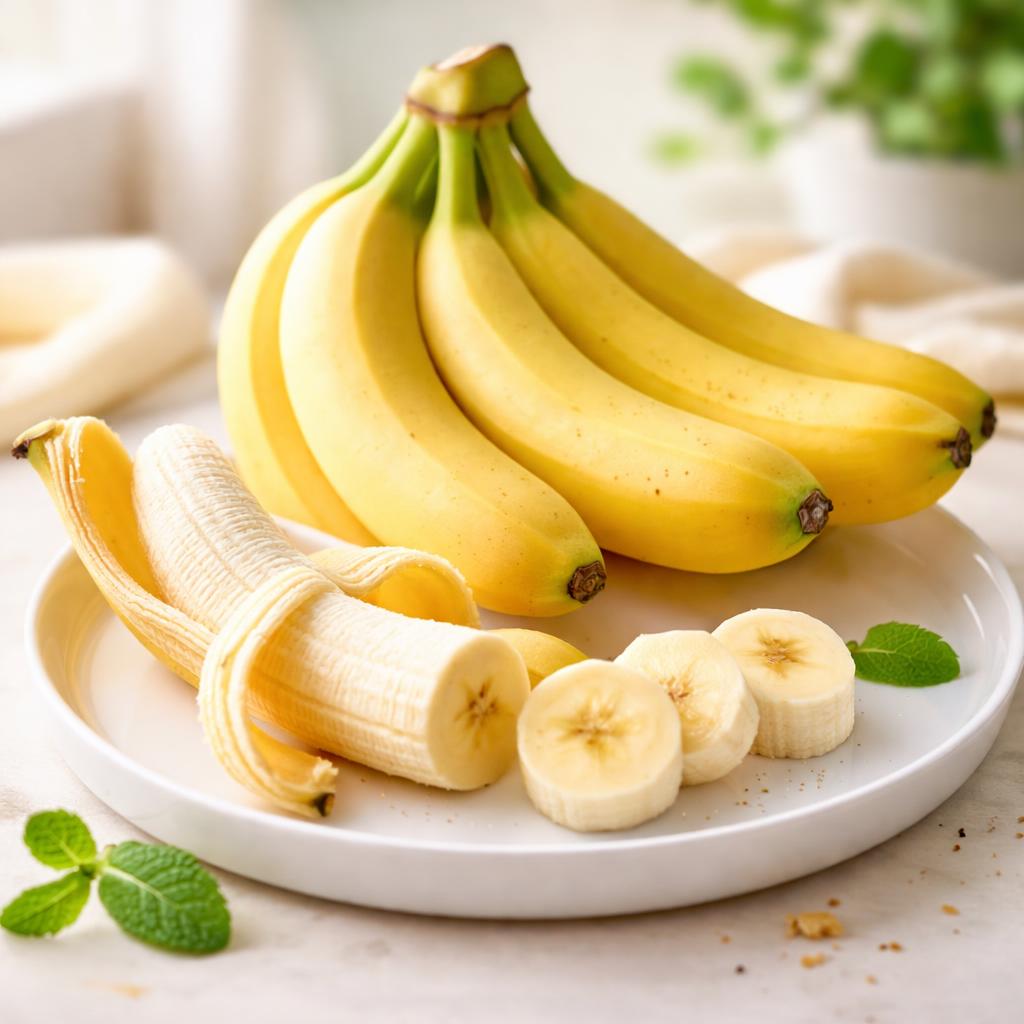
Banana
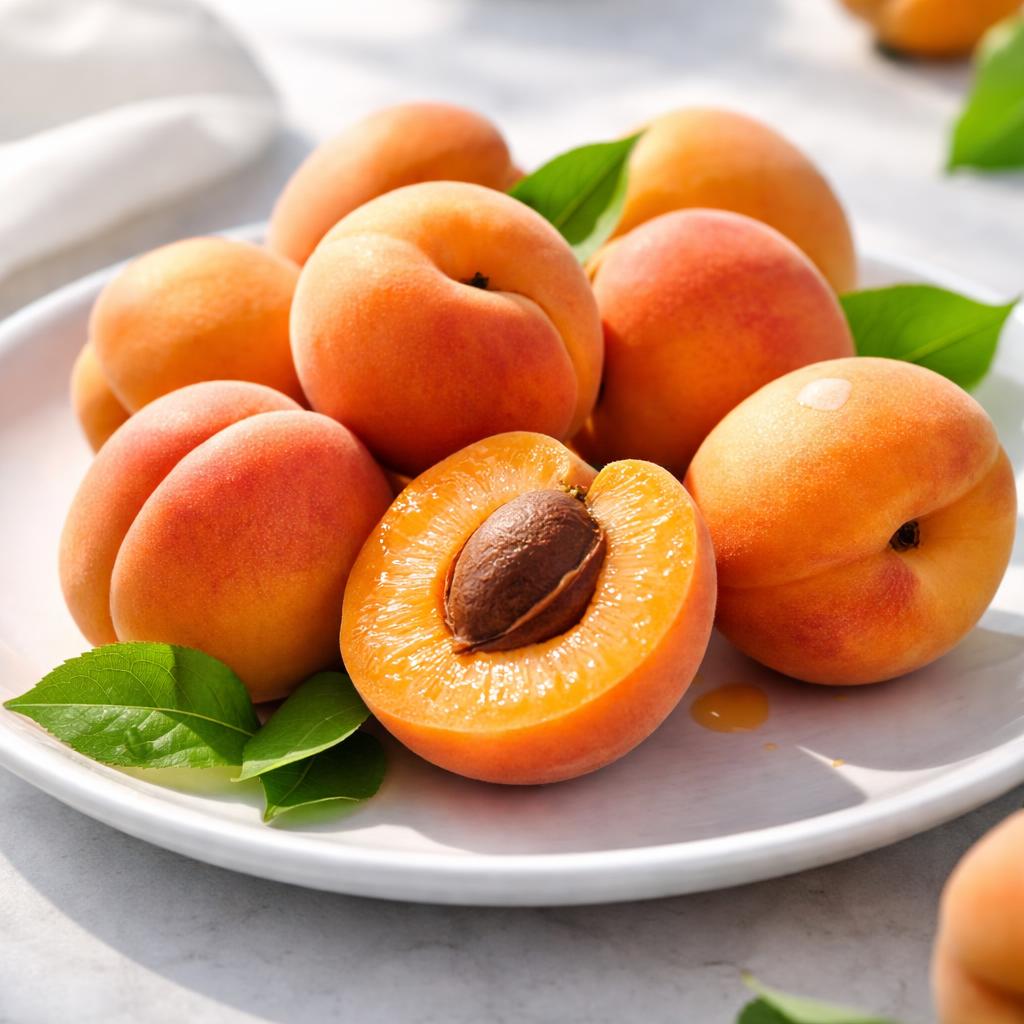
Apricot
🎯 Quick Verdict
Bananas and apricots offer distinct nutritional profiles. Bananas are higher in calories, protein, and fiber, making them better for energy and digestion. Apricots are lower in calories and rich in vitamins A and C, making them great for skin health and immunity. Both are versatile fruits suited for snacks or smoothies, depending on your dietary needs.

Smart Nutrition Tracking with SnapCalorie

📊 Nutritional Comparison
Macronutrients
| Nutrient | Food 1 | Food 2 | Winner |
|---|---|---|---|
| Calories | 105 per medium banana | 48 per 4 apricots | ✓ |
| Protein | 1.3g per medium banana | 0.9g per 4 apricots | ✓ |
| Carbs | 27g per medium banana | 11g per 4 apricots | ✓ |
| Fat | 0.3g per medium banana | 0.1g per 4 apricots | ✓ |
| Fiber | 3g per medium banana | 2g per 4 apricots | ✓ |
Vitamins & Minerals
| Nutrient | Food 1 | Food 2 | Winner |
|---|---|---|---|
| Vitamin A | 1% DV per banana | 12% DV per 4 apricots | ✓ |
| Vitamin C | 17% DV per banana | 20% DV per 4 apricots | ✓ |
| Potassium | 422mg per banana | 220mg per 4 apricots | ✓ |
🏆 Category Winners
Protein
Bananas have approximately 45% more protein than apricots per serving.
Fiber
Bananas contain 50% more fiber per serving, supporting better digestive health.
Calories
Apricots have less than half the calorie content of bananas, ideal for lower-calorie diets.
Vitamins
Apricots provide significantly more Vitamin A and slightly more Vitamin C per serving.
🥗 Diet Compatibility
Keto
Food 1: Not Compatible
Food 2: Not Compatible
Both are relatively high in carbs, unsuitable for a strict keto diet.
Vegan
Food 1: Compatible
Food 2: Compatible
Both are plant-based, making them fully vegan-friendly.
Gluten Free
Food 1: Compatible
Food 2: Compatible
Neither contains gluten, suitable for gluten-free diets.
Paleo
Food 1: Compatible
Food 2: Compatible
Both align with the whole-food approach of the paleo diet.
Low-Carb
Food 1: Not Compatible
Food 2: Partially Compatible
Bananas are high in carbs, whereas apricots are lower in carbs but not fully low-carb.
💪 Health Benefits Comparison
Food 1 Benefits
- Rich in potassium for heart health and muscle function
- Contains resistant starch to support gut health
- Provides energy-boosting carbs for active lifestyles
Food 2 Benefits
- High in Vitamin A, promoting good vision and skin health
- Packed with antioxidants, aiding in reducing inflammation
- Low-calorie option for weight management
✅ The Bottom Line
Bananas excel in energy provision, digestion, and post-exercise recovery due to their high fiber and potassium content. Apricots stand out for their low-calorie profile, skin-supporting Vitamin A, and immunity-boosting Vitamin C. Choose bananas for active lifestyles or digestion-focused diets and apricots for weight loss and antioxidant benefits.
Choose Food 1 for: Active individuals, digestion, post-exercise recovery
Choose Food 2 for: Weight control, skin and vision health, antioxidant support


