Banana VS 2 Eggs
A detailed nutritional comparison
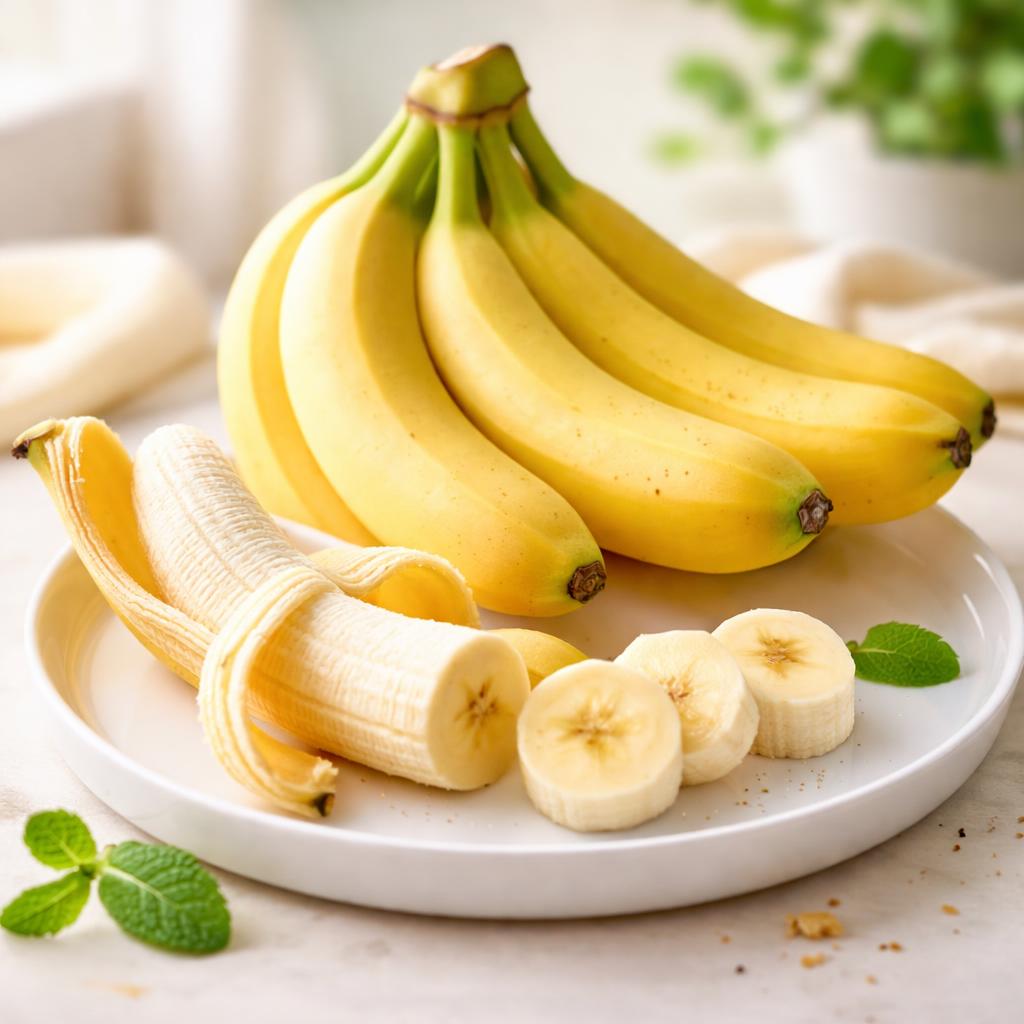
Banana

2 Eggs
🎯 Quick Verdict
Bananas are rich in quick-digesting carbohydrates, fiber, and potassium, making them ideal for energy and digestion. Eggs are dense in protein, healthy fats, and micronutrients, suitable for muscle building and overall nutrition. Both are nutritious but suited to very different dietary needs and goals.

Smart Nutrition Tracking with SnapCalorie

📊 Nutritional Comparison
Macronutrients
| Nutrient | Food 1 | Food 2 | Winner |
|---|---|---|---|
| Calories | 105 | 140 | ✓ |
| Protein | 1.3g | 12g | ✓ |
| Carbs | 27g | 1g | ✓ |
| Fat | 0.3g | 9g | ✓ |
| Fiber | 3.1g | 0g | ✓ |
Vitamins & Minerals
| Nutrient | Food 1 | Food 2 | Winner |
|---|---|---|---|
| Potassium | 422mg | 126mg | ✓ |
| Vitamin D | 0mcg | 2mcg | ✓ |
| Vitamin A | 76mcg | 160mcg | ✓ |
| Vitamin C | 10mg | 0mg | ✓ |
🏆 Category Winners
Protein
With 12g protein compared to 1.3g in a banana, eggs are far superior.
Fiber
Bananas contain 3.1g of fiber compared to none in eggs.
Calories
Bananas have 25.4% fewer calories than two eggs.
Vitamins
Eggs provide more Vitamin D and Vitamin A, crucial for bone and eye health.
🥗 Diet Compatibility
Keto
Food 1: Not Compatible
Food 2: Compatible
Eggs are low-carb, while bananas are high in carbohydrates.
Vegan
Food 1: Compatible
Food 2: Not Compatible
Bananas are plant-based; eggs are animal-derived.
Gluten Free
Food 1: Compatible
Food 2: Compatible
Neither food contains gluten.
Paleo
Food 1: Compatible
Food 2: Compatible
Both foods are Paleo-friendly and natural.
Low Carb
Food 1: Not Compatible
Food 2: Compatible
Eggs contain only 1g of carbs, while bananas are carb-heavy with 27g.
💪 Health Benefits Comparison
Food 1 Benefits
- High in potassium for heart health and nerve function
- Good source of vitamin C to boost immunity
- Provides energy through natural sugars
- Rich in fiber for gut health
Food 2 Benefits
- Excellent source of high-quality protein for muscle growth
- Contains vitamin D for bone health
- Rich in choline, important for brain and liver function
- Provides healthy fats for long-lasting energy
✅ The Bottom Line
Choose bananas for quick energy, digestion, and a high-carb snack, especially before or after workouts. Eggs are better for protein-focused diets, low-carb eating, and those needing a nutrient-dense, filling meal option. Both can fit into overall healthy diets depending on personal needs.
Choose Food 1 for: Pre-workout energy, digestion, plant-based snacks, recovery fuel
Choose Food 2 for: Muscle building, low-carb diets, weight management, nutrient density


