Banana Bread VS White Bread
A detailed nutritional comparison
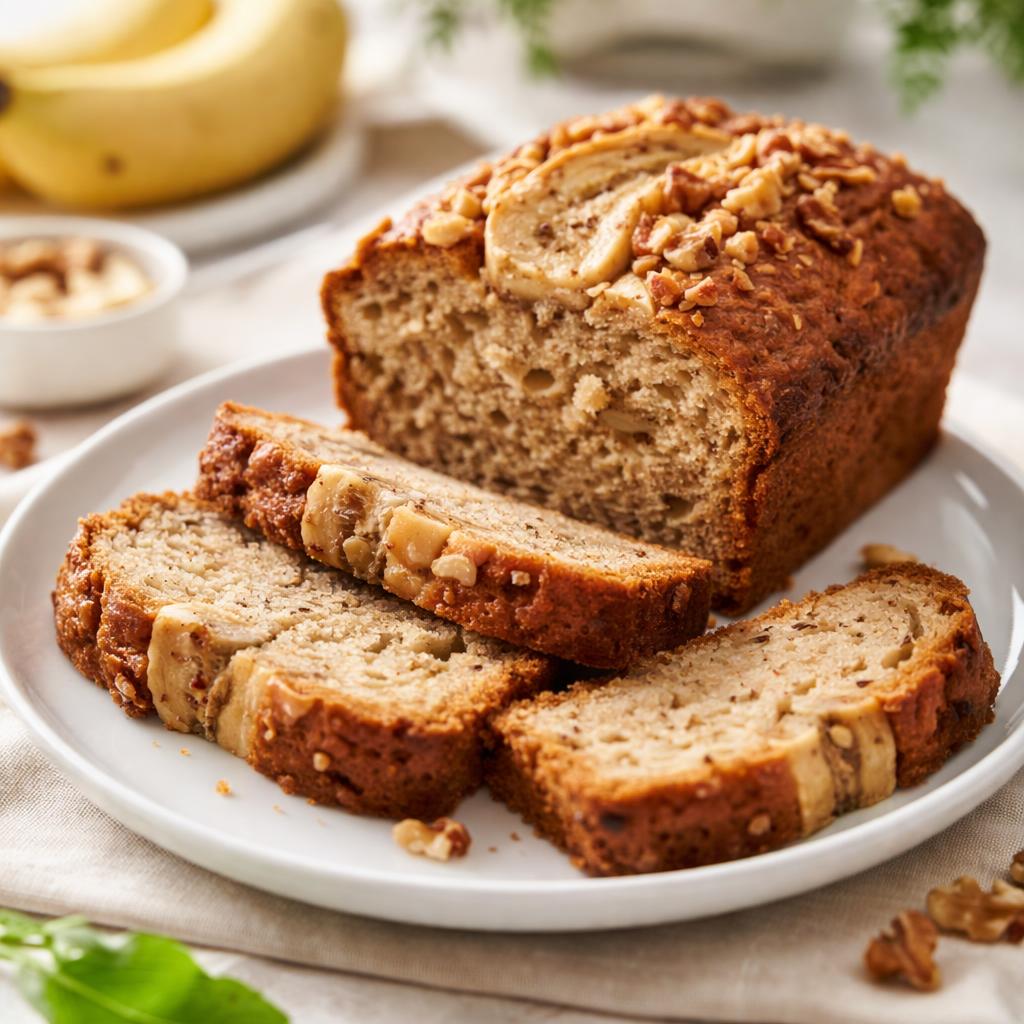
Banana Bread
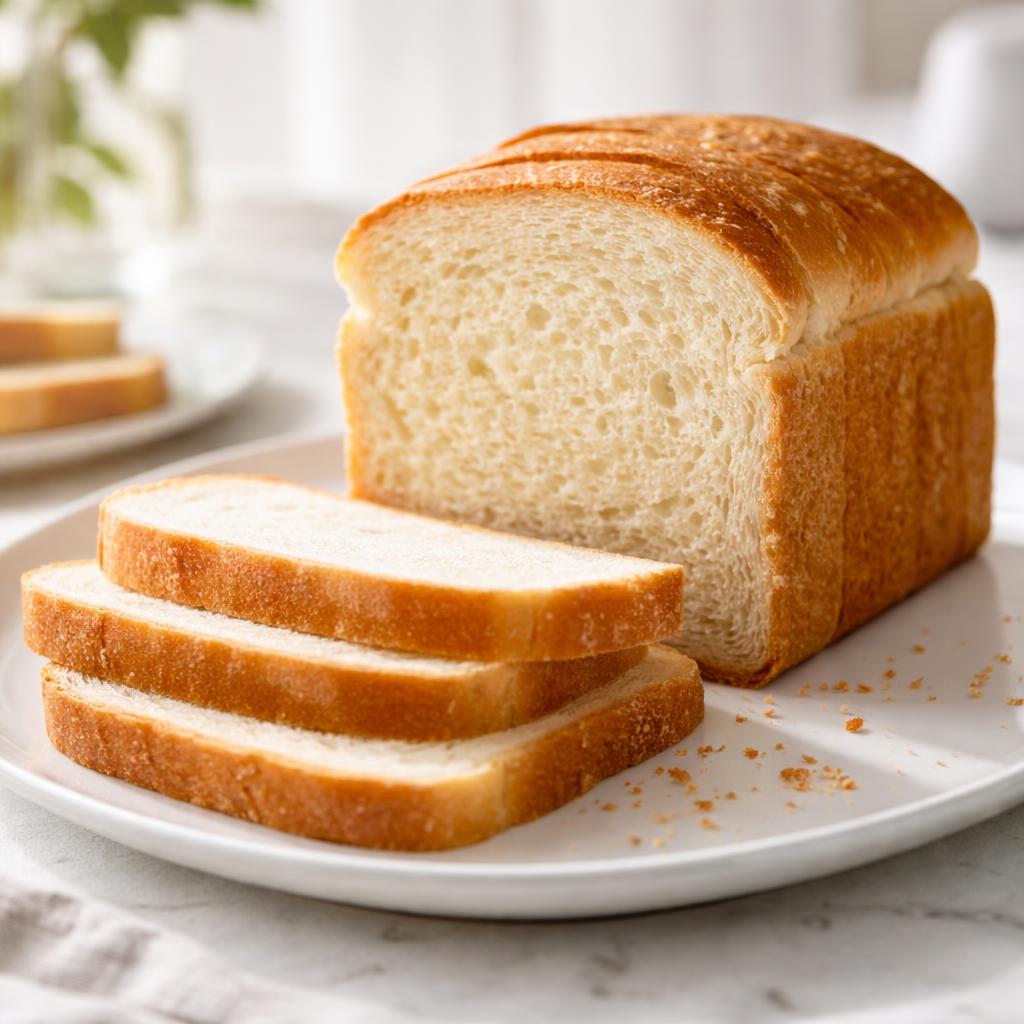
White Bread
🎯 Quick Verdict
Banana bread is a moist, higher-fiber option that provides more vitamins and natural sweetness, while white bread is lower in calories and slightly higher in protein but lacks nutritional density. Banana bread works well for snacks or energy boosts, whereas white bread serves as a versatile base for meals due to its neutral profile.

Smart Nutrition Tracking with SnapCalorie

📊 Nutritional Comparison
Macronutrients
| Nutrient | Food 1 | Food 2 | Winner |
|---|---|---|---|
| Calories | 220 | 150 | ✓ |
| Protein | 3g | 5g | ✓ |
| Carbs | 36g | 28g | ✓ |
| Fat | 8g | 2g | ✓ |
| Fiber | 2g | 1g | ✓ |
Vitamins & Minerals
| Nutrient | Food 1 | Food 2 | Winner |
|---|---|---|---|
| Vitamin D | 0mcg | 0mcg | − |
| Calcium | 20mg | 90mg | ✓ |
| Iron | 1.5mg | 1mg | ✓ |
| Potassium | 112mg | 35mg | ✓ |
🏆 Category Winners
Protein
White bread has 2g more protein per serving compared to banana bread.
Fiber
Banana bread offers twice as much fiber as white bread.
Calories
White bread has fewer calories per slice, making it lower in energy density.
Vitamins
Banana bread contains more potassium and iron overall.
🥗 Diet Compatibility
Keto
Food 1: Not Compatible
Food 2: Not Compatible
Both are high in carbohydrates.
Vegan
Food 1: Not Compatible
Food 2: Potentially Compatible
Banana bread typically contains eggs and milk, while white bread can be vegan depending on the recipe.
Gluten Free
Food 1: Not Compatible
Food 2: Not Compatible
Both are made with wheat-based flours.
Paleo
Food 1: Not Compatible
Food 2: Not Compatible
Banana bread and white bread are both processed and use grains, which are excluded from paleo diets.
Low Carb
Food 1: Not Compatible
Food 2: Not Compatible
Both items are carbohydrate-rich foods unsuitable for low-carb diets.
💪 Health Benefits Comparison
Food 1 Benefits
- Provides potassium to support heart health
- Contains natural sugars for quick energy
- Higher fiber promotes digestive health
- Rich in iron for oxygen transport in the body
Food 2 Benefits
- Low in calories for controlled energy intake
- Good source of protein for muscle repair
- Fortified with calcium for bone health
- Versatile and easy to pair with nutrient-dense toppings
✅ The Bottom Line
Choose banana bread when seeking a flavorful, comforting snack with more vitamins and fiber for energy and digestion. Opt for white bread if looking for a lower-calorie option to pair with nutrient-dense meals or for sandwiches.
Choose Food 1 for: Energy boost, snacks, fiber-rich treats
Choose Food 2 for: Low-calorie base, protein source, versatile meal pairing


