Banana Bread VS Uncooked Rice
A detailed nutritional comparison
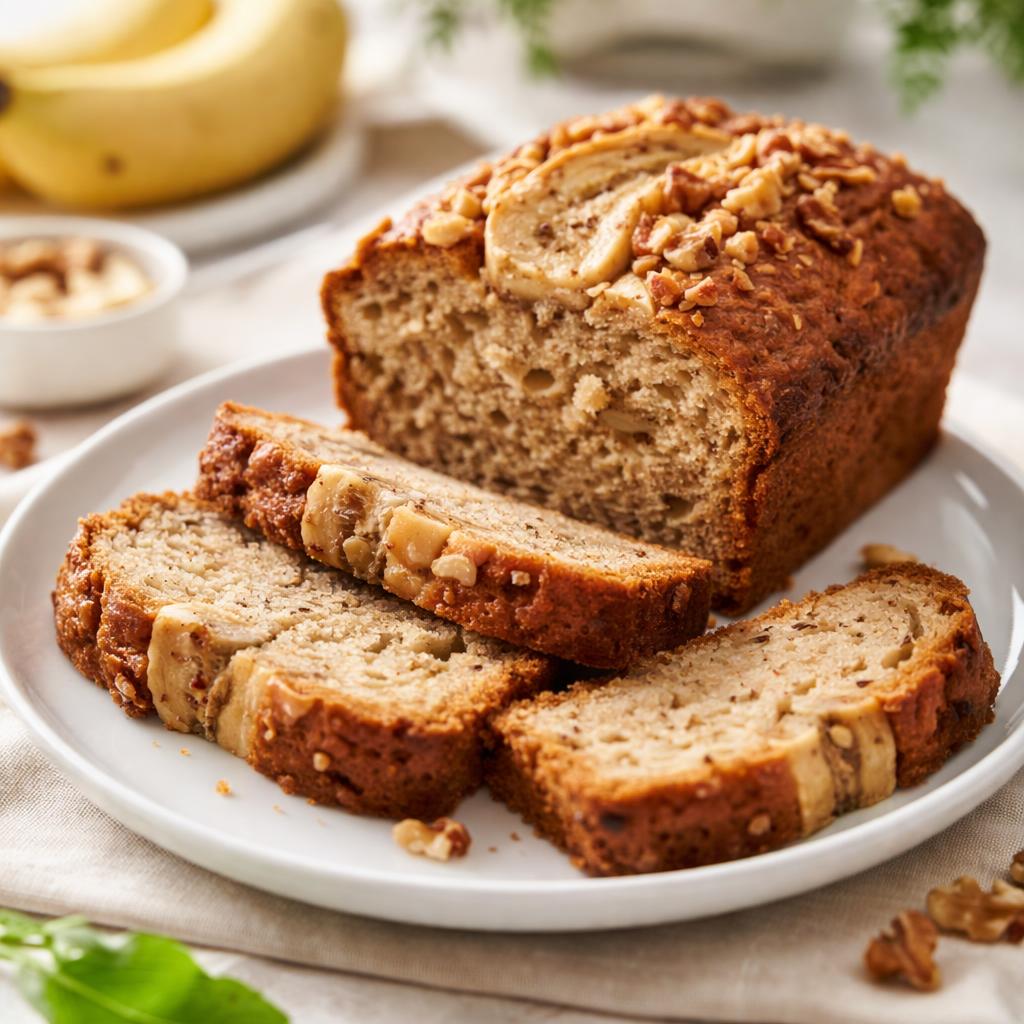
Banana Bread
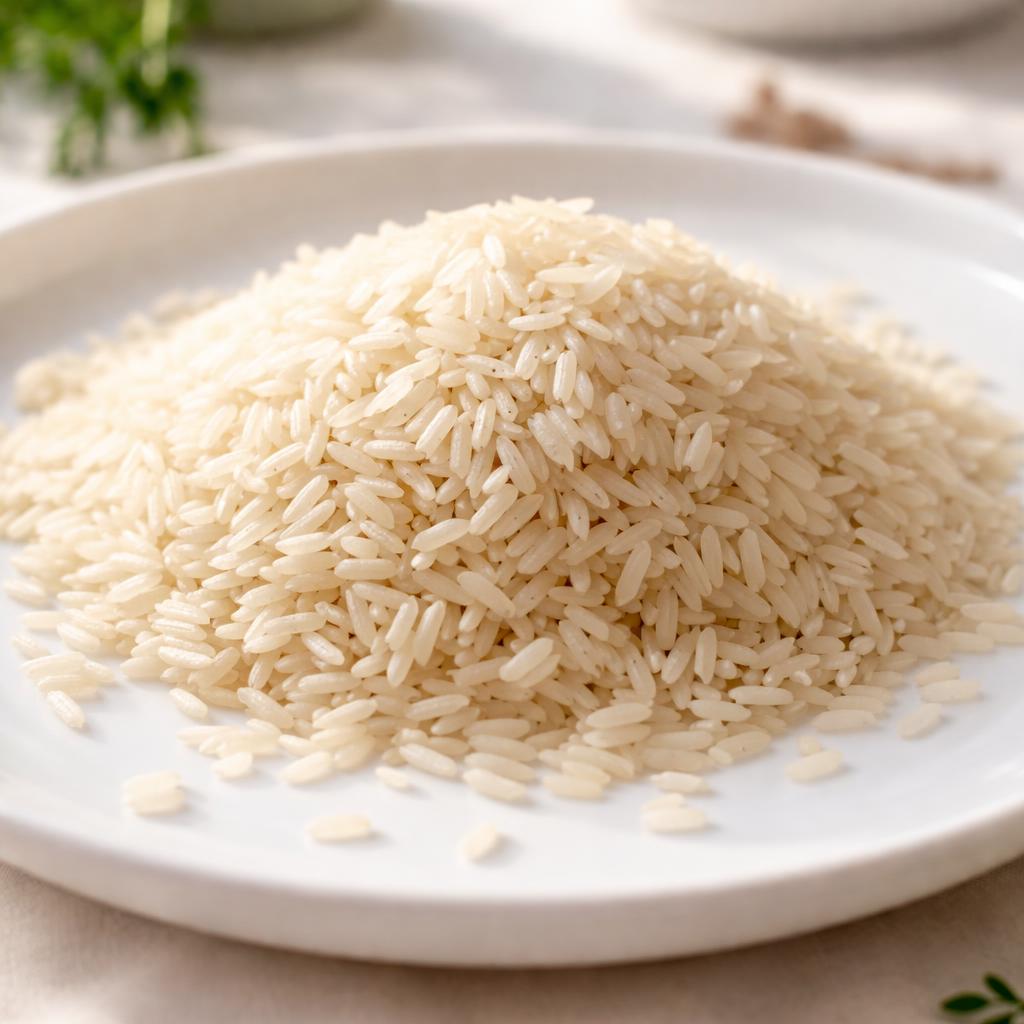
Uncooked Rice
🎯 Quick Verdict
Banana bread and uncooked rice differ vastly in nutrition. Banana bread offers a mix of quick energy from carbs and more fiber, while uncooked rice is lower in calories and higher in protein but lacks fiber. Banana bread is better as a balanced snack, while rice is suited for meal enrichment and long-term energy since it's cooked before consumption.

Smart Nutrition Tracking with SnapCalorie

📊 Nutritional Comparison
Macronutrients
| Nutrient | Food 1 | Food 2 | Winner |
|---|---|---|---|
| Calories | 200 per slice | 130 per 1/4 cup uncooked | ✓ |
| Protein | 2g | 3g | ✓ |
| Carbs | 30g | 28g | ✓ |
| Fat | 6g | 0g | ✓ |
| Fiber | 2g | 0g | ✓ |
Vitamins & Minerals
| Nutrient | Food 1 | Food 2 | Winner |
|---|---|---|---|
| Vitamin D | 0mcg | 0mcg | − |
| Calcium | 20mg | 10mg | ✓ |
| Iron | 0.5mg | 0.7mg | ✓ |
🏆 Category Winners
Protein
Food2 (rice) has higher protein per serving by 50%.
Fiber
Food1 (banana bread) has good fiber content (2g) while food2 has negligible fiber.
Calories
Food2 contains fewer calories per serving.
Vitamins
Banana bread provides slightly more calcium but both foods are relatively low in vitamins.
🥗 Diet Compatibility
Keto
Food 1: Not Compatible
Food 2: Not Compatible
Both foods are high in carbohydrates.
Vegan
Food 1: Depends on recipe
Food 2: Compatible
Rice is naturally vegan, while banana bread may include animal products depending on preparation.
Gluten Free
Food 1: Not Compatible
Food 2: Compatible
Rice is gluten-free, but banana bread typically contains wheat flour.
Paleo
Food 1: Not Compatible
Food 2: Not Compatible
Neither aligns strictly with paleo rules due to processed ingredients or grain content.
Low-Carb
Food 1: Not Compatible
Food 2: Not Compatible
Both foods are high in carbs with over 25g per serving.
💪 Health Benefits Comparison
Food 1 Benefits
- Provides quick energy from carbohydrates
- Contains moderate fiber for digestion
- Can be fortified with bananas for potassium
Food 2 Benefits
- Low in fat and provides sustained energy
- Naturally gluten-free and suitable for sensitive diets
- High in complex carbohydrates for endurance
✅ The Bottom Line
Choose banana bread for a flavorful, convenient snack with fiber and a touch of nutrients—ideal for post-exercise or as a treat. Opt for uncooked rice if you're preparing meals that require a low-fat, nutrient-light base that can offer sustained energy over time.
Choose Food 1 for: Snacking, quick energy boost, lighter fiber needs
Choose Food 2 for: Meal base, sustained energy, gluten-free diets


