Banana Bread VS Rice Flour
A detailed nutritional comparison
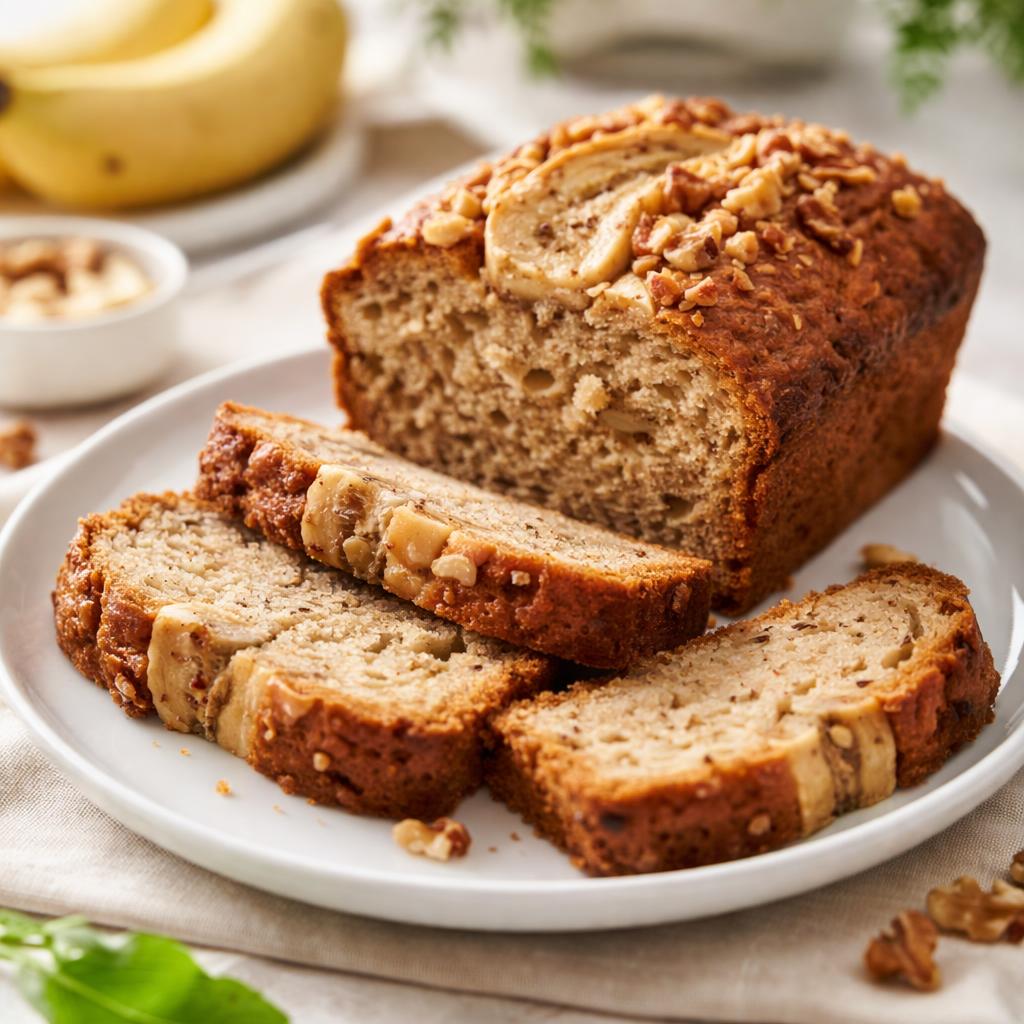
Banana Bread
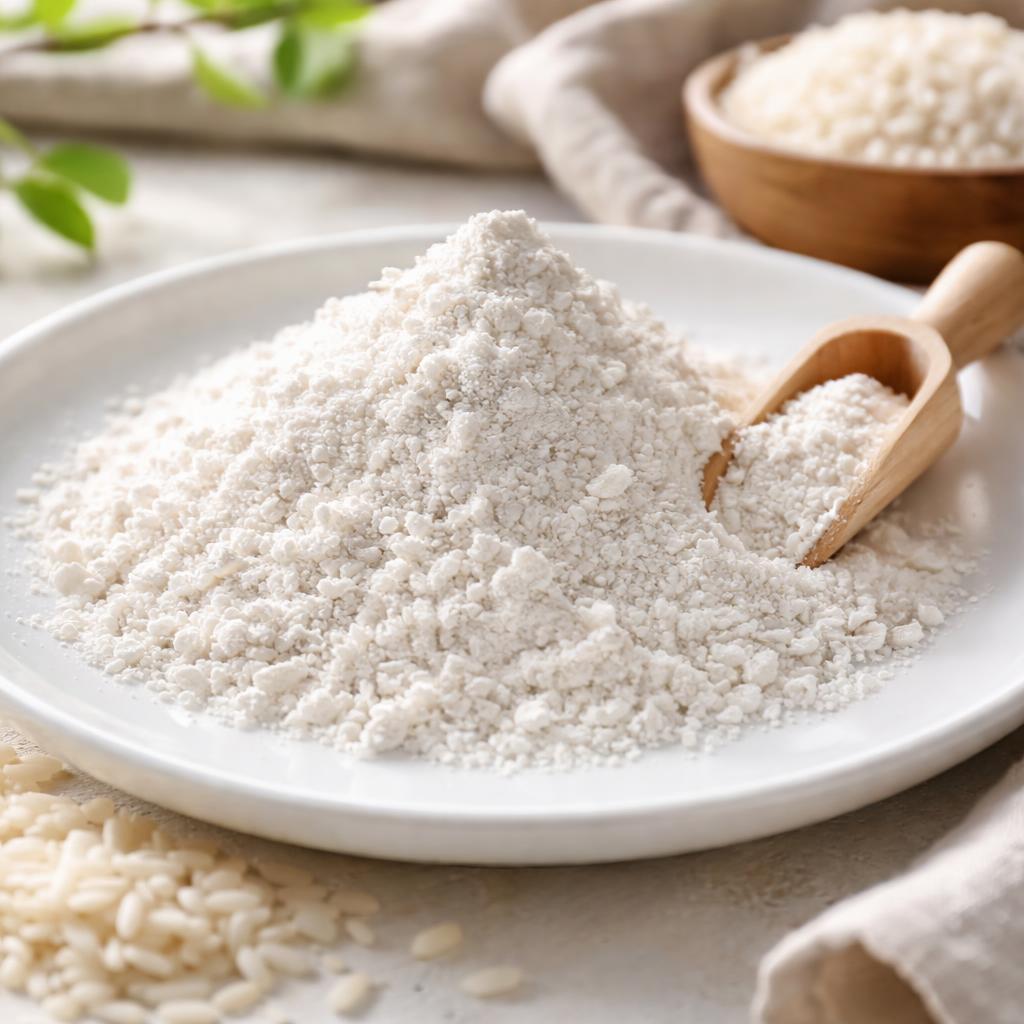
Rice Flour
🎯 Quick Verdict
Banana bread is a more balanced food, offering higher protein and fiber, but slightly more calories. Rice flour is a nutrient-dense and versatile ingredient that’s gluten-free and lower in fiber and protein. Choose banana bread for ready-to-eat nutrition or rice flour for recipes requiring a simple base ingredient like gluten-free baking.

Smart Nutrition Tracking with SnapCalorie

📊 Nutritional Comparison
Macronutrients
| Nutrient | Food 1 | Food 2 | Winner |
|---|---|---|---|
| Calories | 200 | 200 | − |
| Protein | 4g | 3g | ✓ |
| Carbs | 30g | 40g | ✓ |
| Fat | 8g | 1g | ✓ |
| Fiber | 3g | 1g | ✓ |
Vitamins & Minerals
| Nutrient | Food 1 | Food 2 | Winner |
|---|---|---|---|
| Vitamin D | 0mcg | 0mcg | − |
| Calcium | 20mg | 5mg | ✓ |
| Iron | 1mg | 0.6mg | ✓ |
| Potassium | 150mg | 25mg | ✓ |
🏆 Category Winners
Protein
Banana bread has 33% more protein per serving compared to rice flour.
Fiber
Banana bread provides significantly more fiber per serving.
Calories
Both foods provide similar calorie amounts per serving.
Vitamins
Banana bread is richer in calcium, potassium, and iron compared to rice flour.
🥗 Diet Compatibility
Keto
Food 1: Not Compatible
Food 2: Compatible
Rice flour is low-carb in recipes when consumed in moderation.
Vegan
Food 1: Not Compatible
Food 2: Compatible
Banana bread typically contains eggs and butter, while rice flour is purely plant-based.
Gluten Free
Food 1: Not Compatible
Food 2: Compatible
Rice flour is naturally gluten-free, whereas banana bread usually contains wheat flour.
Paleo
Food 1: Not Compatible
Food 2: Compatible
Rice flour is acceptable for paleo diets, while banana bread contains processed ingredients.
Low-Carb
Food 1: Not Compatible
Food 2: Compatible
Rice flour can be used minimally in low-carb diets, unlike carb-heavy banana bread.
💪 Health Benefits Comparison
Food 1 Benefits
- Contains fiber to support digestion.
- Offers moderate protein for muscle maintenance.
- Includes potassium for beneficial effects on blood pressure.
Food 2 Benefits
- Gluten-free and suitable for individuals with celiac disease.
- Provides easily digestible carbohydrates for quick energy.
- Rich in B vitamins like niacin, supporting energy metabolism.
✅ The Bottom Line
Choose banana bread for a higher-protein, ready-to-eat snack with fiber and potassium, ideal for sustained energy and digestion support. Opt for rice flour when creating gluten-free baking recipes or needing a low-fat, vegan-friendly cooking ingredient.
Choose Food 1 for: Balanced snacks, active lifestyles, post-workout meals
Choose Food 2 for: Gluten-free baking, vegan recipes, low-fat diets


