Avocado VS Zucchini
A detailed nutritional comparison
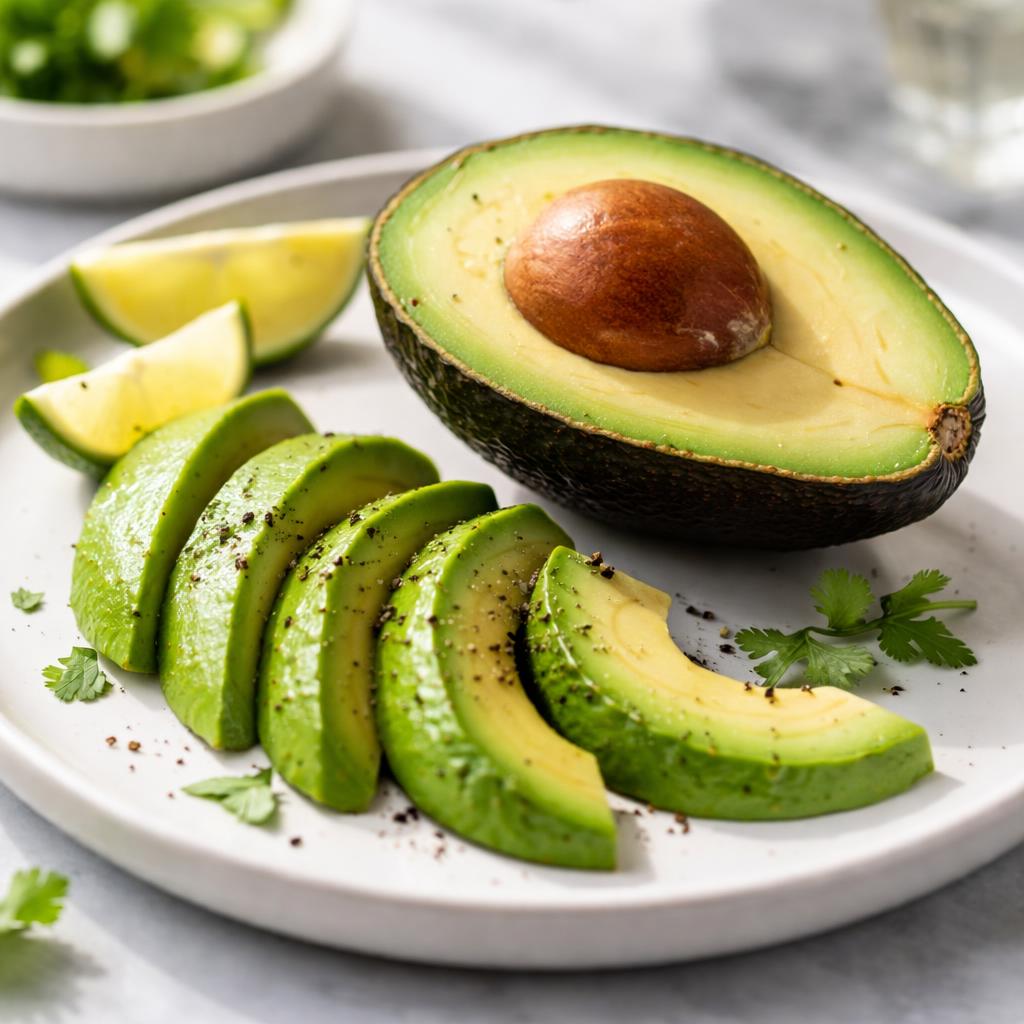
Avocado
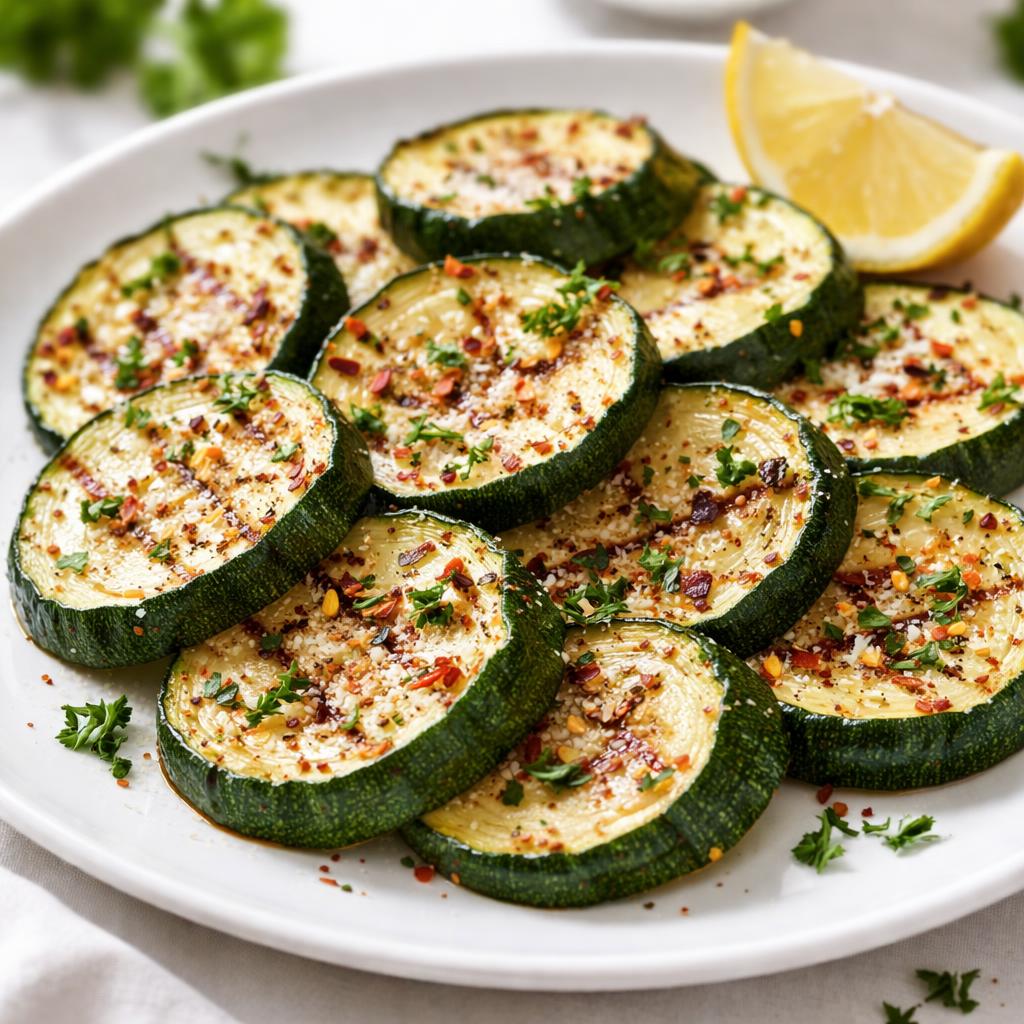
Zucchini
🎯 Quick Verdict
Avocado is rich in healthy fats, fiber, and vitamins, making it ideal for heart health and sustained energy. Zucchini is low-calorie and hydrating, with modest protein and carbohydrate contents, suitable for weight loss and high-volume diets. Choose avocado for nutrient density or zucchini for lightness and versatility in recipes.

Smart Nutrition Tracking with SnapCalorie

📊 Nutritional Comparison
Macronutrients
| Nutrient | Food 1 | Food 2 | Winner |
|---|---|---|---|
| Calories | 160 | 20 | ✓ |
| Protein | 2g | 1.5g | ✓ |
| Carbs | 9g | 4g | ✓ |
| Fat | 15g | 0.4g | ✓ |
| Fiber | 7g | 1g | ✓ |
Vitamins & Minerals
| Nutrient | Food 1 | Food 2 | Winner |
|---|---|---|---|
| Vitamin C | 10mg | 17mg | ✓ |
| Vitamin K | 21mcg | 4mcg | ✓ |
| Folate | 81mcg | 24mcg | ✓ |
| Potassium | 485mg | 280mg | ✓ |
🏆 Category Winners
Protein
Zucchini has slightly more protein relative to its calorie density.
Fiber
Avocado has seven times more fiber per serving.
Calories
Zucchini contains 87.5% fewer calories, making it much lighter.
Vitamins
Avocado is richer in vitamin K, folate, and potassium overall.
🥗 Diet Compatibility
Keto
Food 1: Compatible
Food 2: Compatible
Both foods are low in net carbs.
Vegan
Food 1: Compatible
Food 2: Compatible
Both are plant-based foods.
Gluten Free
Food 1: Compatible
Food 2: Compatible
Neither food contains gluten.
Paleo
Food 1: Compatible
Food 2: Compatible
Both foods fit paleo guidelines.
Low Carb
Food 1: Compatible
Food 2: Compatible
Both are low in carbohydrate content.
💪 Health Benefits Comparison
Food 1 Benefits
- Rich in heart-healthy monounsaturated fats
- High in fiber for improved digestion and fullness
- Contains antioxidants like lutein for eye health
- Packed with potassium for blood pressure regulation
Food 2 Benefits
- Low-calorie and hydrating with high water content
- Rich in vitamin C, supporting skin and immune health
- Contains antioxidants like carotenoids for inflammation reduction
- Good source of potassium to support electrolyte balance
✅ The Bottom Line
Choose avocado when you want a nutrient-dense food rich in healthy fats, fiber, and vitamins, aiding satiety and heart health. Opt for zucchini for a low-calorie, hydrating vegetable that works well in weight-loss diets and versatile cooking applications.
Choose Food 1 for: Heart health, nutrient density, satiating meals
Choose Food 2 for: Weight loss, hydrating snacks, low-calorie recipes


