Avocado VS Sugar
A detailed nutritional comparison
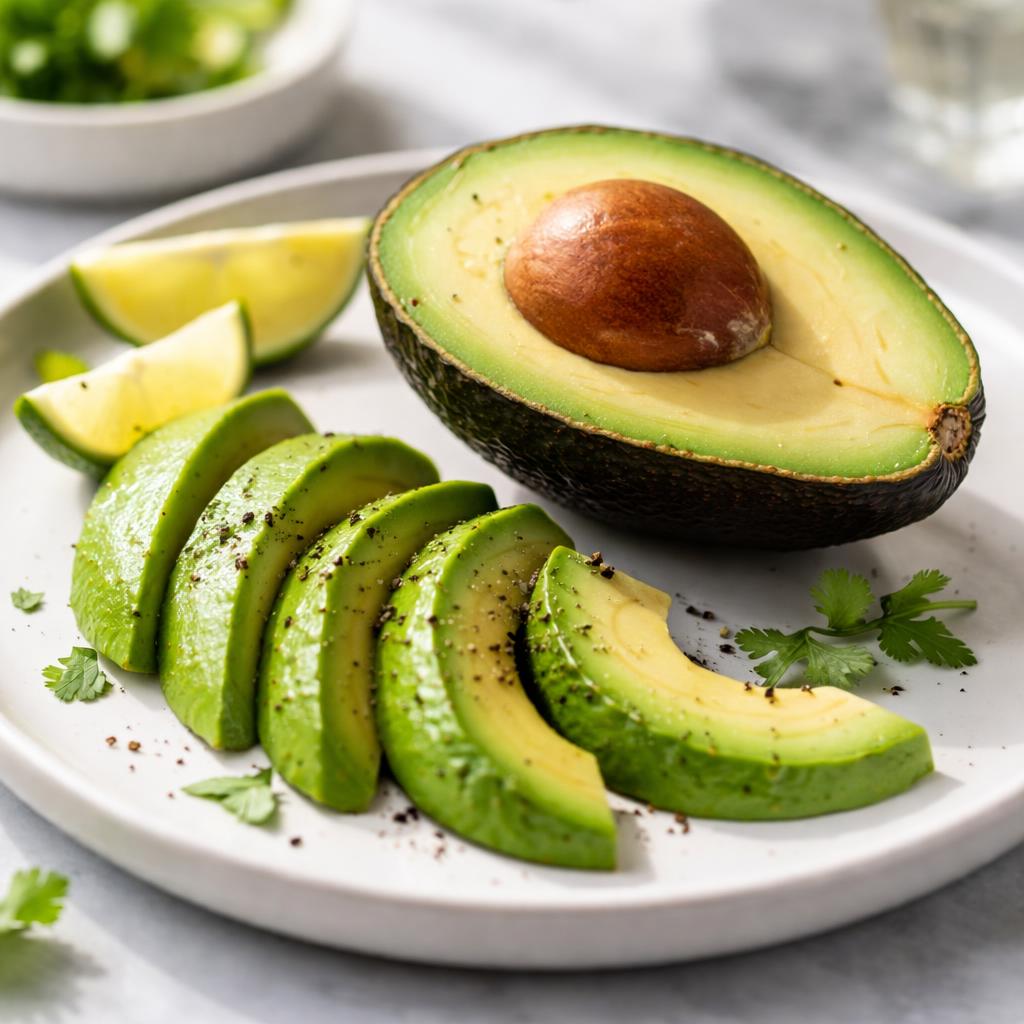
Avocado
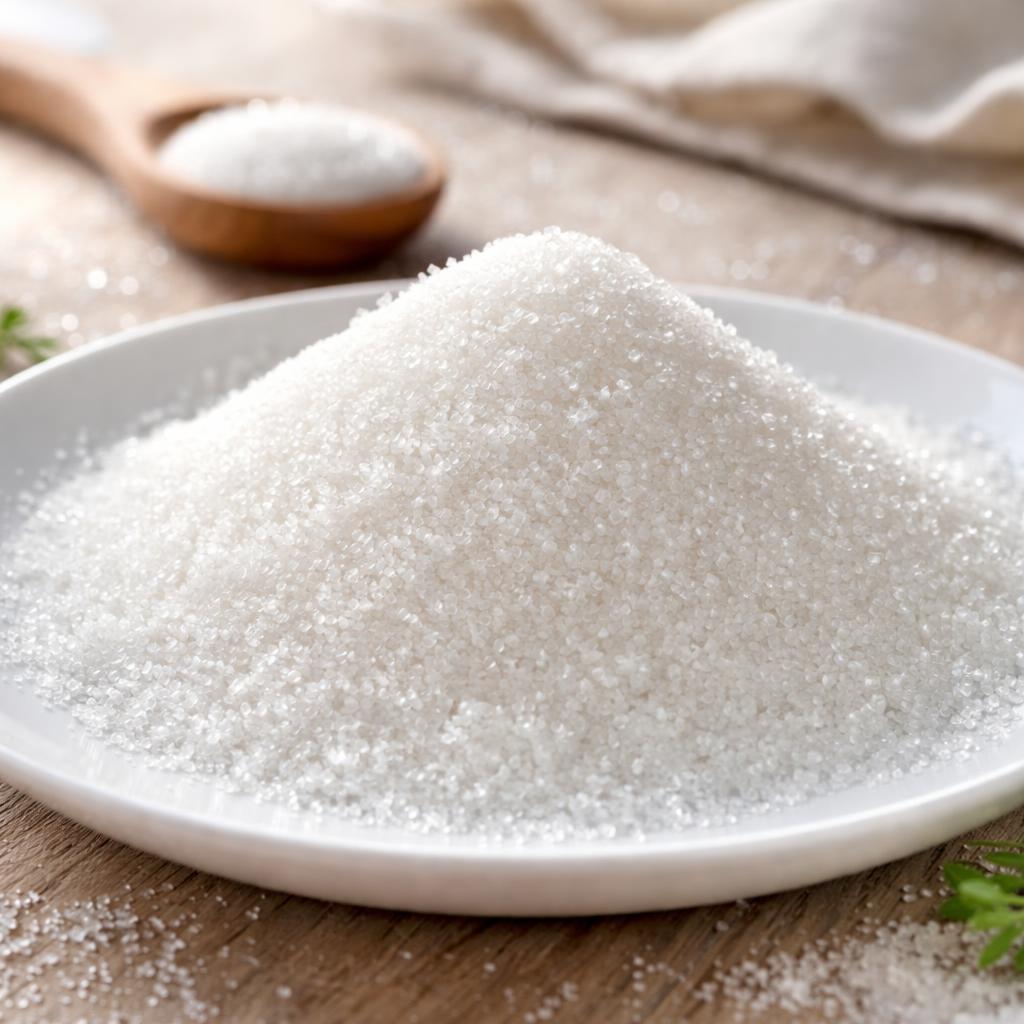
Sugar
🎯 Quick Verdict
Avocado is nutritionally superior to sugar, offering healthy fats, fiber, and vitamins, while sugar is purely composed of energy with no appreciable nutrients. Choose avocado for nutrient-dense health benefits, and use sugar sparingly for energy or culinary applications.

Smart Nutrition Tracking with SnapCalorie

📊 Nutritional Comparison
Macronutrients
| Nutrient | Food 1 | Food 2 | Winner |
|---|---|---|---|
| Calories | 160 | 387 | ✓ |
| Protein | 2g | 0g | ✓ |
| Carbs | 9g | 100g | ✓ |
| Fat | 15g | 0g | ✓ |
| Fiber | 7g | 0g | ✓ |
Vitamins & Minerals
| Nutrient | Food 1 | Food 2 | Winner |
|---|---|---|---|
| Vitamin K | 21mcg (30% DV) | 0mcg | ✓ |
| Vitamin E | 2.7mg (14% DV) | 0mg | ✓ |
| Potassium | 485mg | 2mg | ✓ |
| Vitamin C | 10mg (12% DV) | 0mg | ✓ |
🏆 Category Winners
Protein
Avocado provides 2g of protein per serving, while sugar contains none.
Fiber
Avocado contains 7g of fiber, making it excellent for digestive health, whereas sugar has no fiber.
Calories
Avocado has less than half the calories of sugar per serving.
Vitamins
Avocado offers a wide range of micronutrients including vitamin K, vitamin C, potassium, and vitamin E, while sugar provides none.
🥗 Diet Compatibility
Keto
Food 1: Compatible
Food 2: Not Compatible
Avocado is low-carb and high-fat, suitable for a keto diet, whereas sugar is high in carbs.
Vegan
Food 1: Compatible
Food 2: Compatible
Both foods are plant-based and suitable for a vegan diet.
Gluten Free
Food 1: Compatible
Food 2: Compatible
Neither food contains gluten.
Paleo
Food 1: Compatible
Food 2: Not Compatible
Avocado is paleo-approved, whereas refined sugar is not allowed on paleo diets.
Low Carb
Food 1: Compatible
Food 2: Not Compatible
Avocado is a low-carb food, while sugar is extremely high in carbohydrates.
💪 Health Benefits Comparison
Food 1 Benefits
- Rich in heart-healthy monounsaturated fats
- Provides essential vitamins like K, E, and C
- Contains fiber for gut health and satiety
- Supports potassium intake for electrolyte balance
Food 2 Benefits
- Quick source of energy for intense physical activity
- Useful for sweetening recipes and culinary applications
- Easily digestible carbohydrate
✅ The Bottom Line
Avocado is an excellent choice for balanced nutrition and should be prioritized in a healthy diet. Sugar offers quick energy but lacks nutrients and should be used sparingly. Avocado is versatile for meals, while sugar works best as an occasional sweetener.
Choose Food 1 for: Weight management, heart health, nutrient-dense diets
Choose Food 2 for: Short-term energy boosts, baking, and occasional indulgences


