Avocado VS Roast Chicken Leg
A detailed nutritional comparison
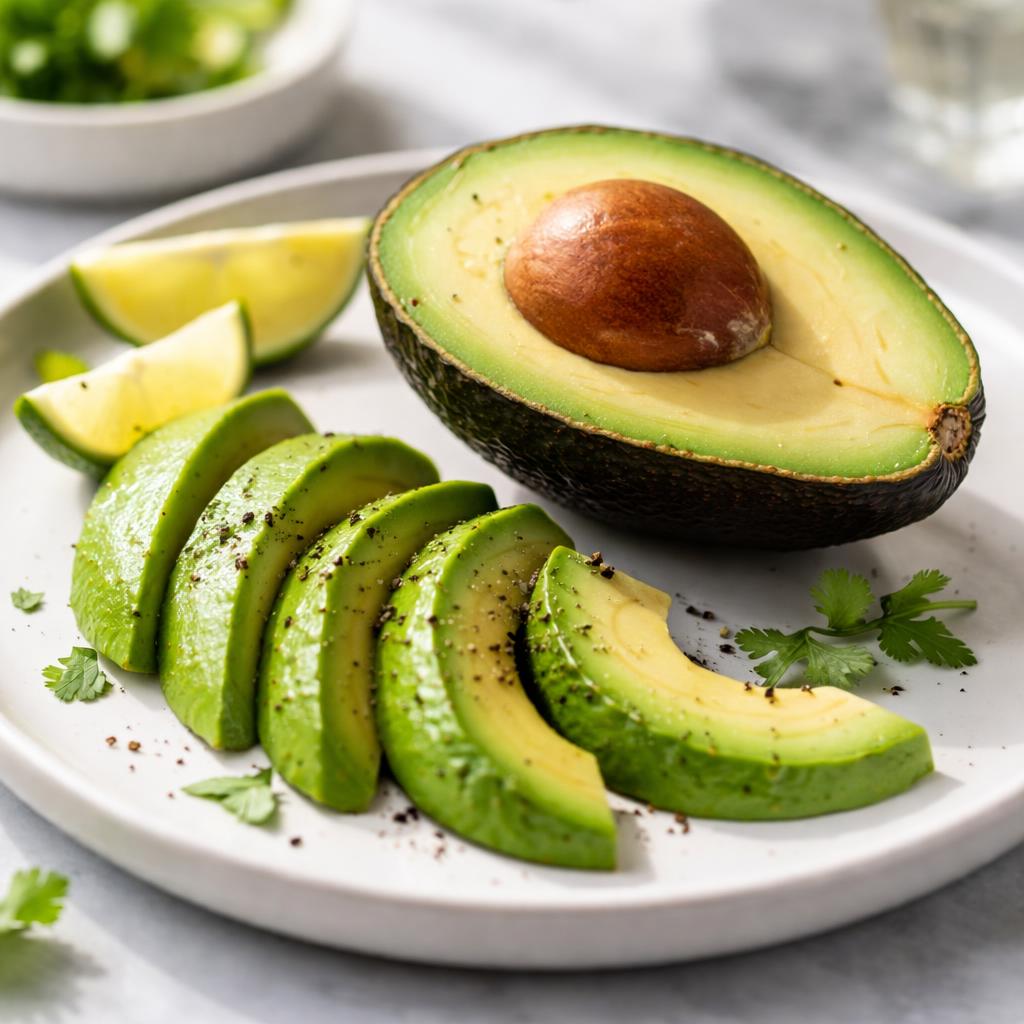
Avocado

Roast Chicken Leg
🎯 Quick Verdict
Avocado is a nutrient-dense fruit high in healthy fats, fiber, and vitamins like potassium, while roast chicken leg is an excellent source of complete protein and essential minerals like iron. Avocado suits plant-based diets and digestion-focused goals, whereas roast chicken is ideal for muscle recovery and high-protein diets.

Smart Nutrition Tracking with SnapCalorie

📊 Nutritional Comparison
Macronutrients
| Nutrient | Food 1 | Food 2 | Winner |
|---|---|---|---|
| Calories | 160 | 250 | ✓ |
| Protein | 2g | 25g | ✓ |
| Carbs | 9g | 0g | ✓ |
| Fat | 15g | 10g | ✓ |
| Fiber | 7g | 0g | ✓ |
Vitamins & Minerals
| Nutrient | Food 1 | Food 2 | Winner |
|---|---|---|---|
| Vitamin D | 0mcg | 1.3mcg | ✓ |
| Potassium | 485mg | 230mg | ✓ |
| Calcium | 12mg | 11mg | − |
| Iron | 0.5mg | 1.84mg | ✓ |
🏆 Category Winners
Protein
Food2 is a rich source of complete protein with 25g per serving compared to 2g in avocado.
Fiber
Avocado provides 7g of dietary fiber per serving versus zero in roast chicken leg.
Calories
Avocado is lower in calories (160 vs 250 per serving), making it more suitable for calorie-conscious diets.
Vitamins
Avocado excels in potassium content, an important mineral for heart health and muscle function.
🥗 Diet Compatibility
Keto
Food 1: Compatible
Food 2: Compatible
Both foods are low in carbohydrates, making them suitable for a keto diet.
Vegan
Food 1: Compatible
Food 2: Not Compatible
Avocado is plant-based while roast chicken leg is an animal product.
Gluten Free
Food 1: Compatible
Food 2: Compatible
Neither food contains gluten, making them safe for gluten-free diets.
Paleo
Food 1: Compatible
Food 2: Compatible
Both avocado and roast chicken leg fit within paleo guidelines.
Low-Carb
Food 1: Compatible
Food 2: Compatible
Both foods are naturally low in carbohydrates.
💪 Health Benefits Comparison
Food 1 Benefits
- Rich in healthy monounsaturated fats for heart health
- Excellent source of potassium for electrolyte balance
- Provides dietary fiber for digestion and gut health
- Contains antioxidants that support cell repair
Food 2 Benefits
- High-protein content supports muscle growth and repair
- Provides iron for healthy red blood cells and energy
- Contains vitamin D for bone health and immunity
- Source of selenium, an antioxidant supporting metabolic function
✅ The Bottom Line
Choose avocado for heart health, fiber intake, and plant-based diets. Go for roast chicken leg if you need high protein for muscle recovery or a low-carb meal option. Both are excellent choices depending on dietary needs.
Choose Food 1 for: Plant-based diets, heart health, digestion support
Choose Food 2 for: Post-workout recovery, high-protein diets, energy needs


