Avocado VS Red Onion
A detailed nutritional comparison
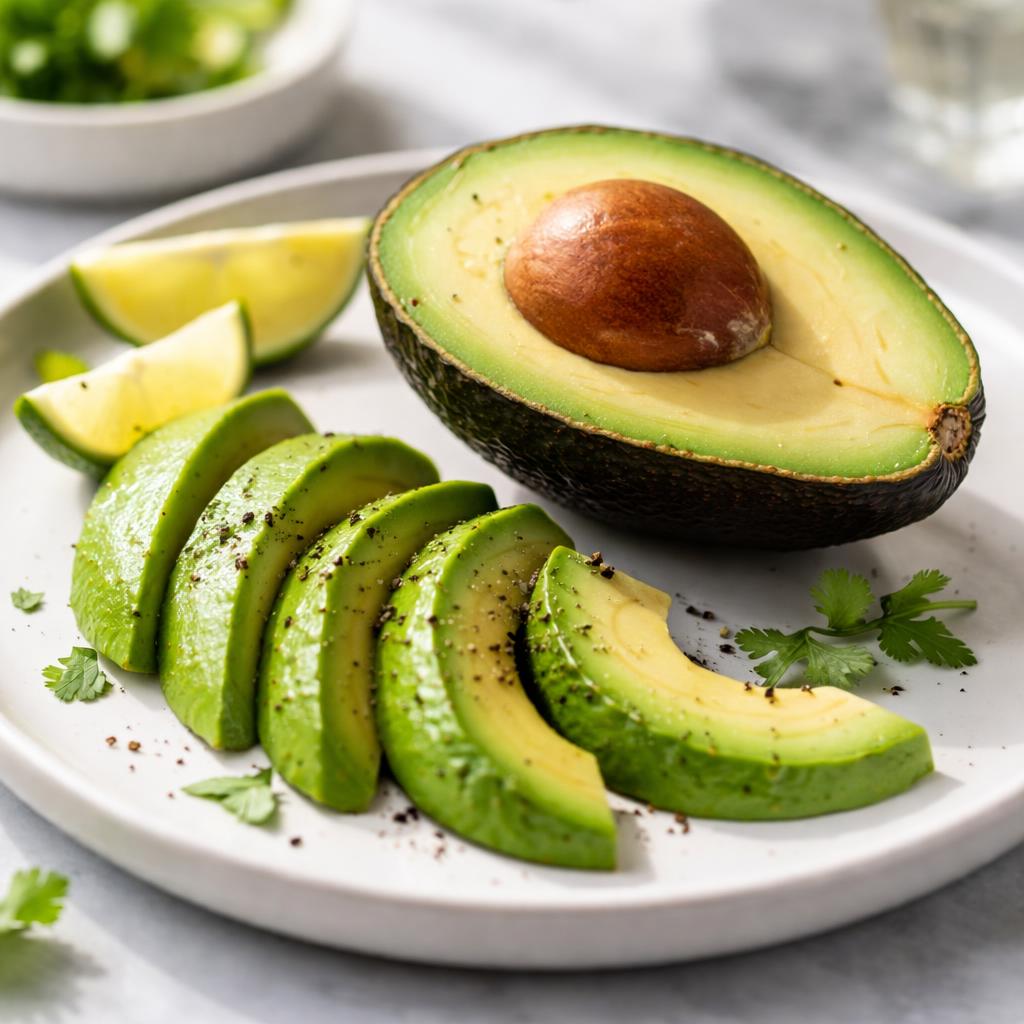
Avocado
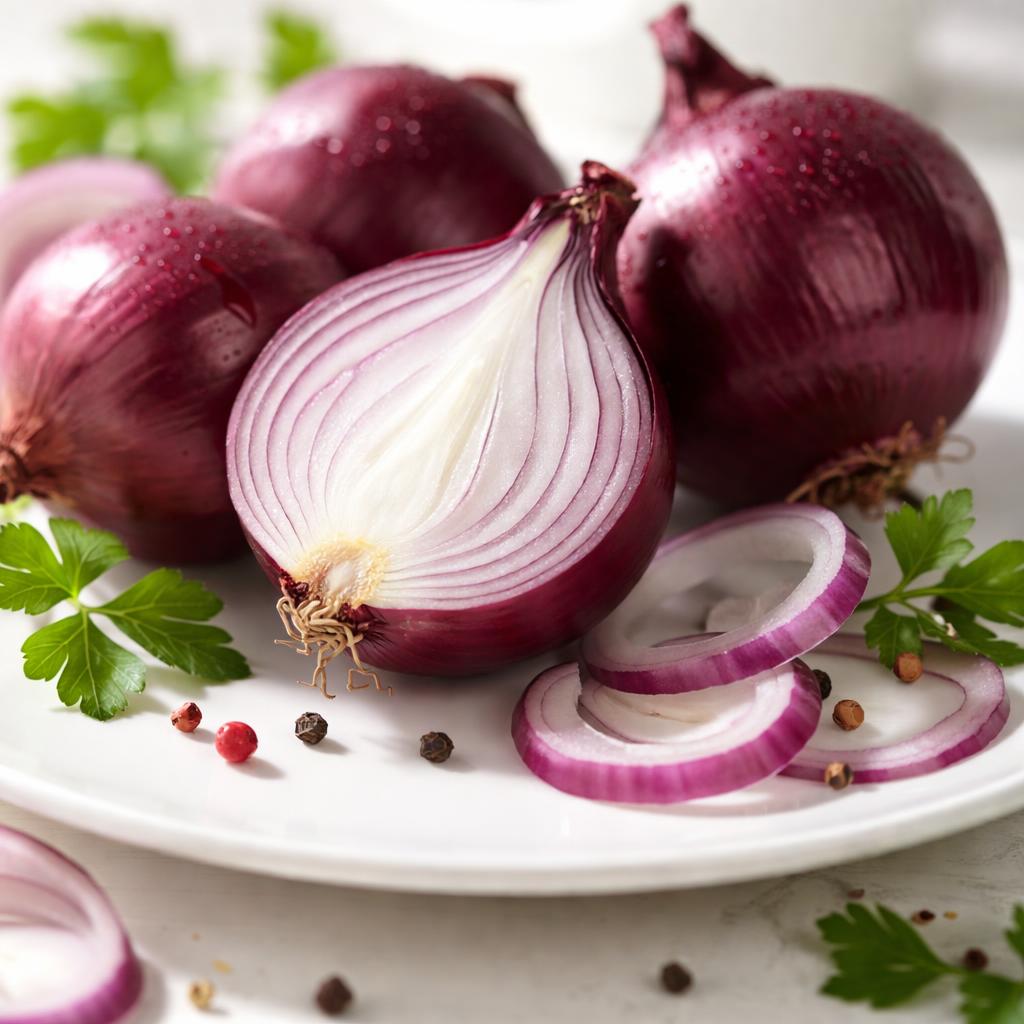
Red Onion
🎯 Quick Verdict
Avocados are rich in healthy fats, fiber, and provide more protein and vitamins like vitamin E and potassium compared to red onions. Red onions are low in calories, contain antioxidants such as quercetin, and offer a flavorful addition to dishes without adding significant fat. Avocado is better suited for nutrient density, while red onion excels in low-calorie diets and boosting flavor without extra bulk.

Smart Nutrition Tracking with SnapCalorie

📊 Nutritional Comparison
Macronutrients
| Nutrient | Food 1 | Food 2 | Winner |
|---|---|---|---|
| Calories | 160 (per 100g) | 40 (per 100g) | − |
| Protein | 2g | 1g | − |
| Carbs | 9g | 9g | − |
| Fat | 15g | 0.1g | − |
| Fiber | 7g | 1.7g | − |
Vitamins & Minerals
| Nutrient | Food 1 | Food 2 | Winner |
|---|---|---|---|
| Vitamin C | 10mg | 7mg | − |
| Vitamin E | 2.7mg | 0mg | − |
| Vitamin K | 21mcg | 0.4mcg | − |
| Potassium | 485mg | 146mg | − |
| Quercetin (antioxidant) | 0mg | High | − |
🏆 Category Winners
Protein
Avocado contains twice as much protein as red onion.
Fiber
Avocado provides over four times more fiber per 100g.
Calories
Red onion is significantly lower in calories, making it ideal for calorie-conscious diets.
Vitamins
Avocado has a higher concentration of essential vitamins like E, K, and potassium.
🥗 Diet Compatibility
Keto
Food 1: Compatible
Food 2: Compatible
Both foods are low-carb and fit into keto dietary guidelines.
Vegan
Food 1: Compatible
Food 2: Compatible
Both are plant-based foods.
Gluten Free
Food 1: Compatible
Food 2: Compatible
Neither contains gluten.
Paleo
Food 1: Compatible
Food 2: Compatible
Both are whole, unprocessed foods compliant with paleo diets.
Low-Carb
Food 1: Compatible
Food 2: Compatible
Both foods have low carbohydrate content.
💪 Health Benefits Comparison
Food 1 Benefits
- Rich in healthy monounsaturated fats for heart health.
- High fiber content supports digestion and gut health.
- Contains potassium to regulate blood pressure.
Food 2 Benefits
- Low calorie count makes it ideal for weight management.
- Rich in quercetin, an antioxidant benefiting immune health.
- Provides trace amounts of chromium, which aids insulin regulation.
✅ The Bottom Line
For nutrient density and overall health benefits, avocado is a better choice, providing healthy fats, fiber, and vitamins. On the other hand, red onion is excellent for those seeking low-calorie options that add flavor and antioxidants to dishes without significantly altering macronutrient balances.
Choose Food 1 for: Nutrient-dense snacks, heart health, keto-friendly meals.
Choose Food 2 for: Weight management, improving flavor profiles, antioxidant boost.


