Avocado VS Protein
A detailed nutritional comparison
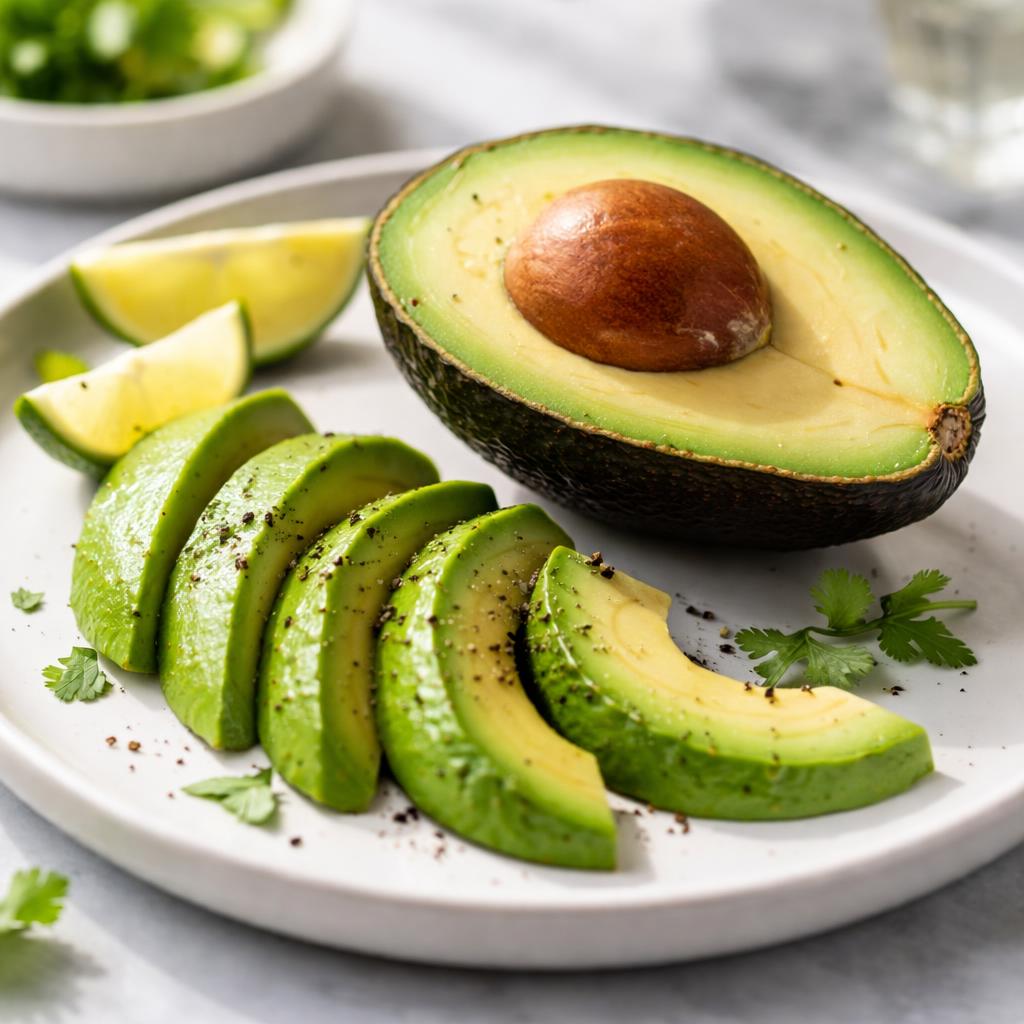
Avocado

Protein
🎯 Quick Verdict
Avocados shine as an excellent source of healthy fats, fiber, and vitamins, while protein powder offers concentrated protein for muscle growth and repair. Avocado is better for nutrient density and sustained energy, whereas protein powder is ideal for high-protein needs and lower calorie goals.

Smart Nutrition Tracking with SnapCalorie

📊 Nutritional Comparison
Macronutrients
| Nutrient | Food 1 | Food 2 | Winner |
|---|---|---|---|
| Calories | 160 | 120 | ✓ |
| Protein | 2g | 20g | ✓ |
| Carbs | 9g | 3g | ✓ |
| Fat | 15g | 1g | ✓ |
| Fiber | 7g | 0g | ✓ |
Vitamins & Minerals
| Nutrient | Food 1 | Food 2 | Winner |
|---|---|---|---|
| Vitamin E | 2.7mg | 0mg | ✓ |
| Vitamin K | 21mcg | 0mcg | ✓ |
| Potassium | 485mg | 150mg | ✓ |
🏆 Category Winners
Protein
Protein powder has 10x more protein per serving than avocado.
Fiber
Avocado contains 7g of fiber compared to none in protein powder.
Calories
Protein powder has 25% fewer calories per serving.
Vitamins
Avocado is rich in Vitamin E, Vitamin K, and potassium.
🥗 Diet Compatibility
Keto
Food 1: Compatible
Food 2: Compatible
Both are low-carb and fit well within the keto diet.
Vegan
Food 1: Compatible
Food 2: Check Label
Avocado is plant-based, while some protein powders may contain whey or animal derivatives.
Gluten Free
Food 1: Compatible
Food 2: Compatible
Neither contains gluten.
Paleo
Food 1: Compatible
Food 2: Depends on Ingredients
Avocado is naturally paleo-friendly, but select protein powders may not align with paleo guidelines.
Low-Carb
Food 1: Compatible
Food 2: Compatible
Both are low in carbohydrates, though protein powder typically has fewer carbs.
💪 Health Benefits Comparison
Food 1 Benefits
- Rich in heart-healthy monounsaturated fats
- High in fiber, supporting digestion and regularity
- Provides potassium, benefiting muscle and nerve function
- Contains antioxidants like Vitamin E for skin and immune health
Food 2 Benefits
- Provides high protein content for muscle repair and growth
- Lower in calories, supporting weight loss or maintenance
- Easy to prepare and versatile in recipes (smoothies, shakes)
- Can be fortified with additional nutrients depending on brand
✅ The Bottom Line
Choose avocado for nutrient density, heart health, and fiber, making it a great whole-food option. Opt for protein powder for high-protein needs, low-calorie diets, or post-workout recovery. Both can complement a balanced diet effectively.
Choose Food 1 for: Heart health, digestion, nutrient density
Choose Food 2 for: Muscle building, weight loss, post-workout recovery


