Avocado VS Poached Eggs
A detailed nutritional comparison
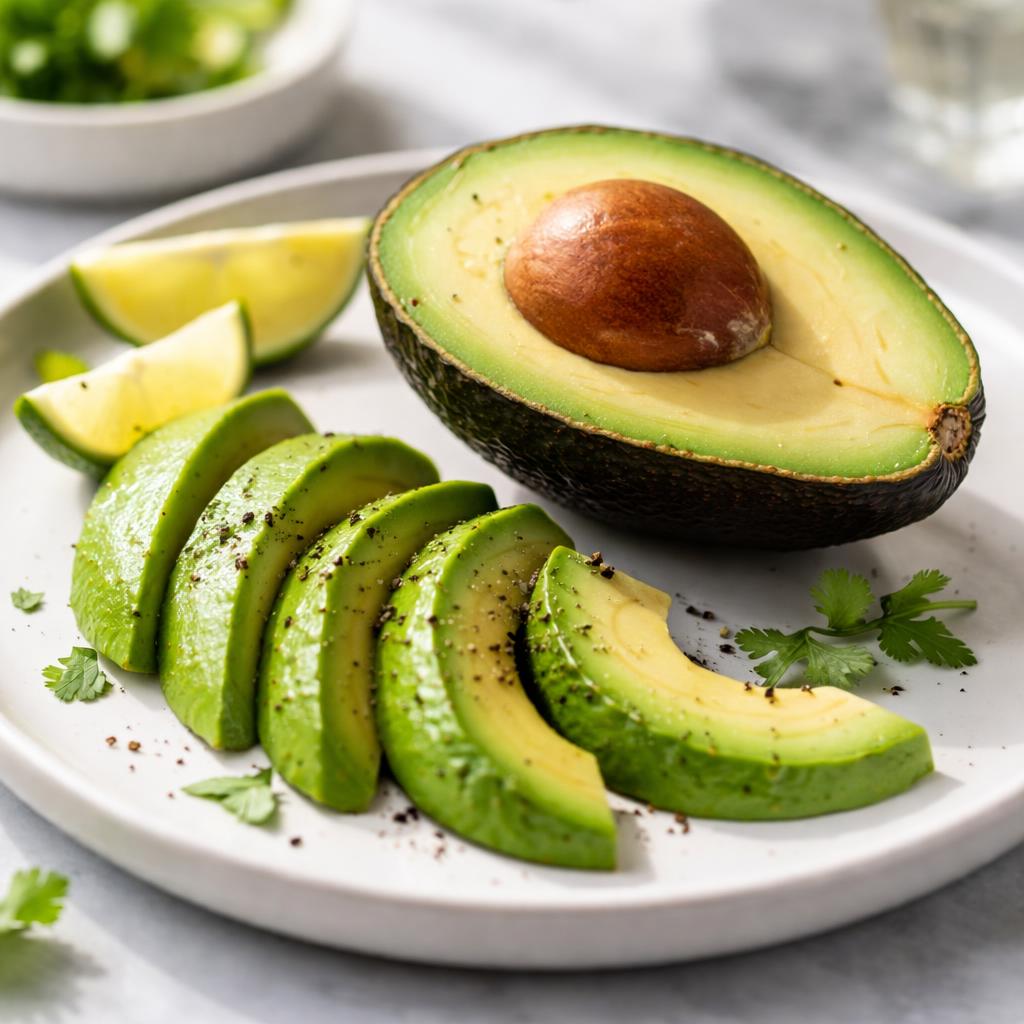
Avocado

Poached Eggs
🎯 Quick Verdict
Avocado and poached eggs both offer unique benefits. Avocado is rich in healthy fats, fiber, and key vitamins, while poached eggs excel in protein and offer lower-calorie options. Choose avocado for nutrient density and digestion support, and opt for poached eggs when prioritizing protein intake and a light calorie count.

Smart Nutrition Tracking with SnapCalorie

📊 Nutritional Comparison
Macronutrients
| Nutrient | Food 1 | Food 2 | Winner |
|---|---|---|---|
| Calories | 160 | 70 | ✓ |
| Protein | 2g | 6g | ✓ |
| Carbs | 9g | 0.5g | ✓ |
| Fat | 15g | 5g | ✓ |
| Fiber | 7g | 0g | ✓ |
Vitamins & Minerals
| Nutrient | Food 1 | Food 2 | Winner |
|---|---|---|---|
| Vitamin D | 0mcg | 1mcg | ✓ |
| Vitamin C | 10mg | 0mg | ✓ |
| Potassium | 485mg | 69mg | ✓ |
| Folate | 81mcg | 24mcg | ✓ |
🏆 Category Winners
Protein
Poached eggs contain triple the protein of avocado per serving.
Fiber
Avocado provides significant fiber (7g), while eggs contain none.
Calories
Poached eggs have less than half the calories of avocado.
Vitamins
Avocado is rich in vitamin C, potassium, and folate, which eggs lack.
🥗 Diet Compatibility
Keto
Food 1: Compatible
Food 2: Compatible
Both are low-carb and rich in fats or protein.
Vegan
Food 1: Compatible
Food 2: Not Compatible
Avocado is plant-based, while eggs are animal-derived.
Gluten Free
Food 1: Compatible
Food 2: Compatible
Neither food contains gluten.
Paleo
Food 1: Compatible
Food 2: Compatible
Both fit within paleo diet guidelines.
Low Carb
Food 1: Compatible
Food 2: Compatible
Each food has low carbohydrate content.
💪 Health Benefits Comparison
Food 1 Benefits
- Provides heart-healthy monounsaturated fats
- Rich in fiber to support digestive health
- High in potassium for electrolyte balance
- Good source of folate for cell function
Food 2 Benefits
- High in protein for muscle maintenance
- Contains essential amino acids for body repair
- Provides vitamin D to support bone health
- Low-calorie option for weight management
✅ The Bottom Line
Both avocado and poached eggs are nutrient-dense foods with complementary benefits. Choose avocado for its fiber, healthy fats, and micronutrients; perfect for digestion and heart health. Opt for poached eggs when seeking a low-calorie, high-protein food, great for muscle building and weight loss.
Choose Food 1 for: Heart health, digestive health, nutrient density
Choose Food 2 for: Weight loss, muscle building, low-calorie diets


