Avocado VS Mustard
A detailed nutritional comparison
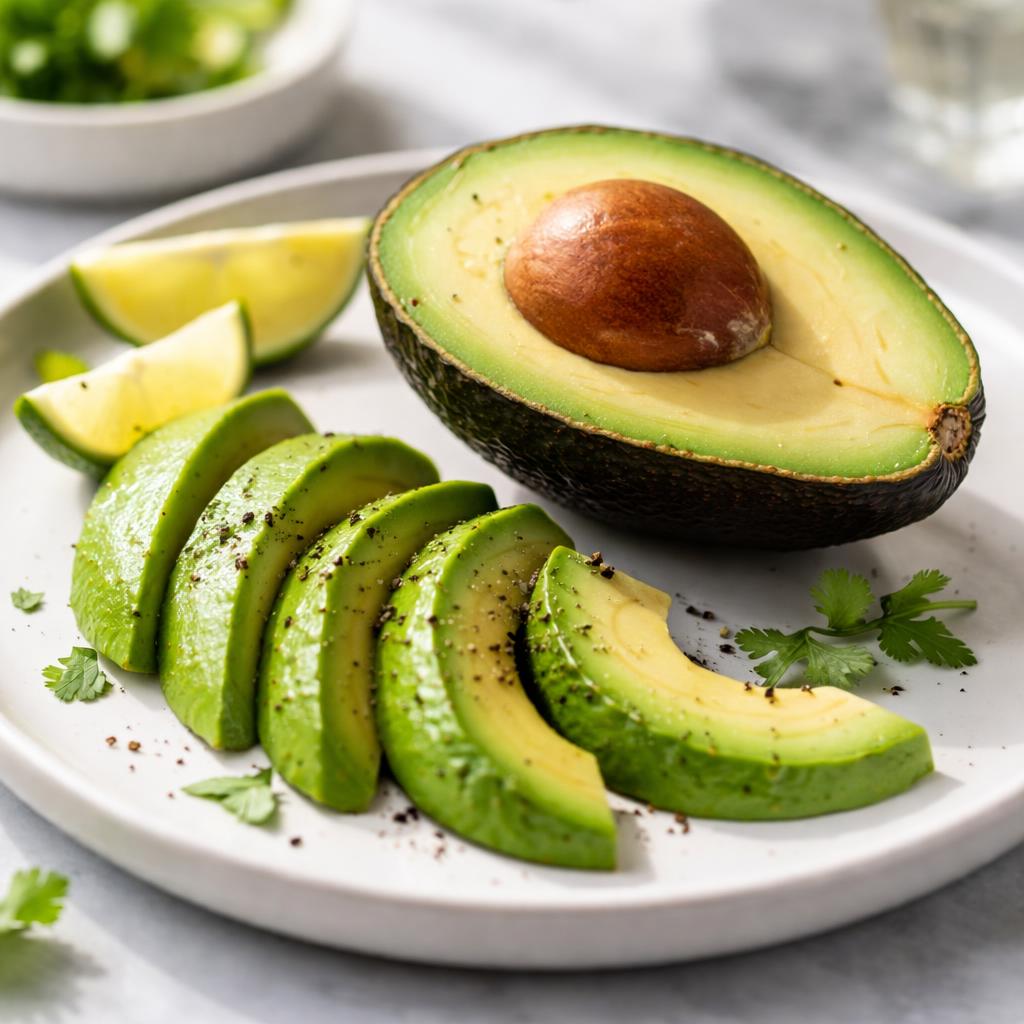
Avocado
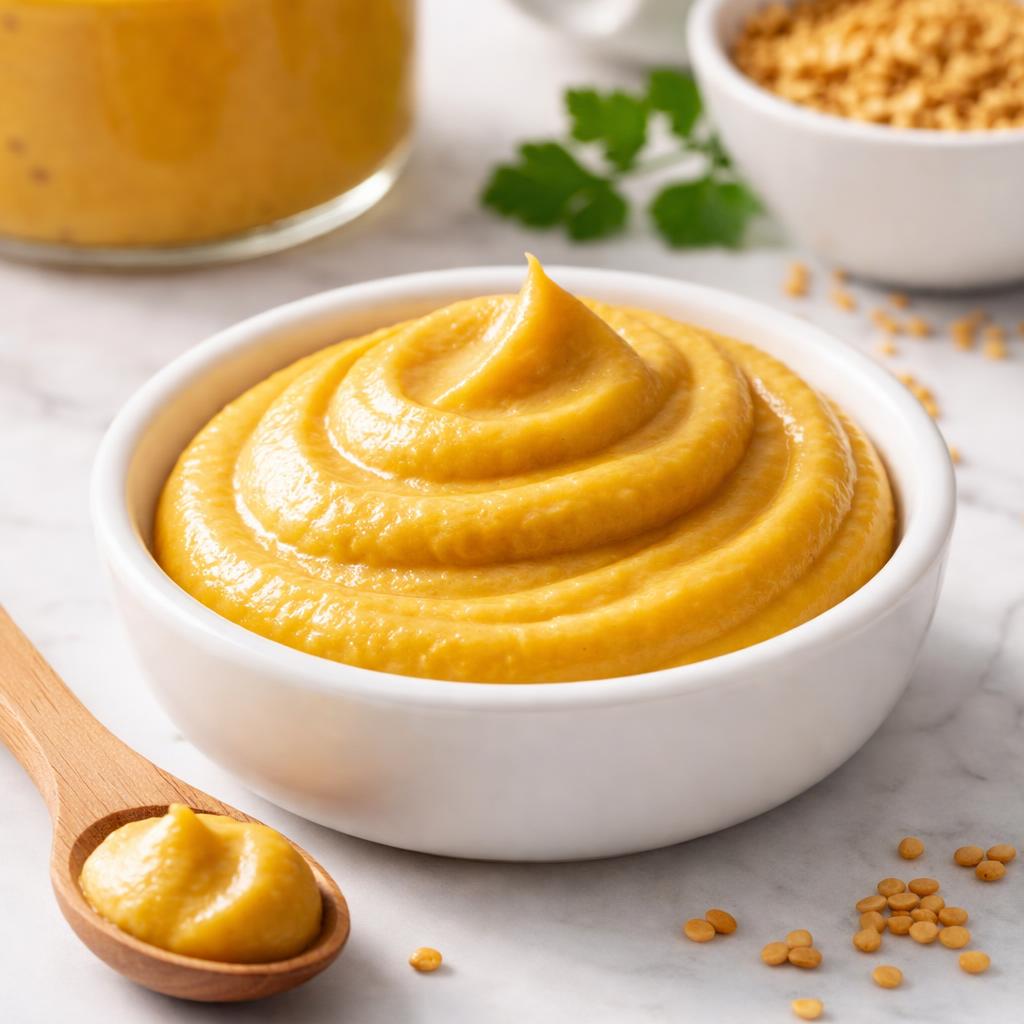
Mustard
🎯 Quick Verdict
Avocado and mustard offer distinct benefits, with avocado being nutrient-dense, high in fiber, healthy fats, and certain vitamins, while mustard is a very low-calorie condiment containing trace amounts of essential minerals. Avocado is ideal for nutrient-packed meals, while mustard serves as a flavorful addition without adding significant calories.

Smart Nutrition Tracking with SnapCalorie

📊 Nutritional Comparison
Macronutrients
| Nutrient | Food 1 | Food 2 | Winner |
|---|---|---|---|
| Calories | 160 | 5 | ✓ |
| Protein | 2g | 0.2g | − |
| Carbs | 9g | 0.9g | ✓ |
| Fat | 15g | 0.1g | ✓ |
| Fiber | 7g | 0g | ✓ |
Vitamins & Minerals
| Nutrient | Food 1 | Food 2 | Winner |
|---|---|---|---|
| Vitamin C | 10mg | 1mg | ✓ |
| Vitamin K | 21mcg | 5mcg | ✓ |
| Potassium | 485mg | 20mg | ✓ |
🏆 Category Winners
Protein
Both foods contain minimal protein in comparison to typical protein sources.
Fiber
Avocado contains 7g of fiber per serving, while mustard has none.
Calories
Mustard has only 5 calories compared to 160 calories in avocado, ideal for low-calorie diets.
🥗 Diet Compatibility
Keto
Food 1: Compatible
Food 2: Compatible
Both are very low in carbohydrates per serving.
Vegan
Food 1: Compatible
Food 2: Compatible
Both foods are plant-based.
Gluten Free
Food 1: Compatible
Food 2: Compatible
Neither contains gluten.
Paleo
Food 1: Compatible
Food 2: Compatible
Both align with paleo guidelines as whole-food choices.
Low Carb
Food 1: Compatible
Food 2: Compatible
Both are low-carb foods suitable for such diets.
💪 Health Benefits Comparison
Food 1 Benefits
- High in healthy monounsaturated fats for heart health
- Rich in fiber for digestive health
- Contains potassium to help regulate blood pressure
- Includes vitamin C and antioxidants for immune support
Food 2 Benefits
- Ultra-low calorie option for weight management
- Contains trace minerals like selenium for metabolic health
- Provides antioxidants that may support cellular health
- Adds flavor to meals without increasing fat or sugar intake
✅ The Bottom Line
Avocado is an excellent choice when prioritizing nutrient density, healthy fats, and fiber, making it suitable for meals and snacks that require robust energy and satiety. Mustard is a low-calorie flavor enhancer perfect for diets where calorie control is paramount. Each food serves different roles based on dietary needs.
Choose Food 1 for: High-fiber diets, heart health, balanced meals
Choose Food 2 for: Weight loss, flavor enhancement, ultra-low calorie diets


