Avocado VS Lettuce Salad
A detailed nutritional comparison
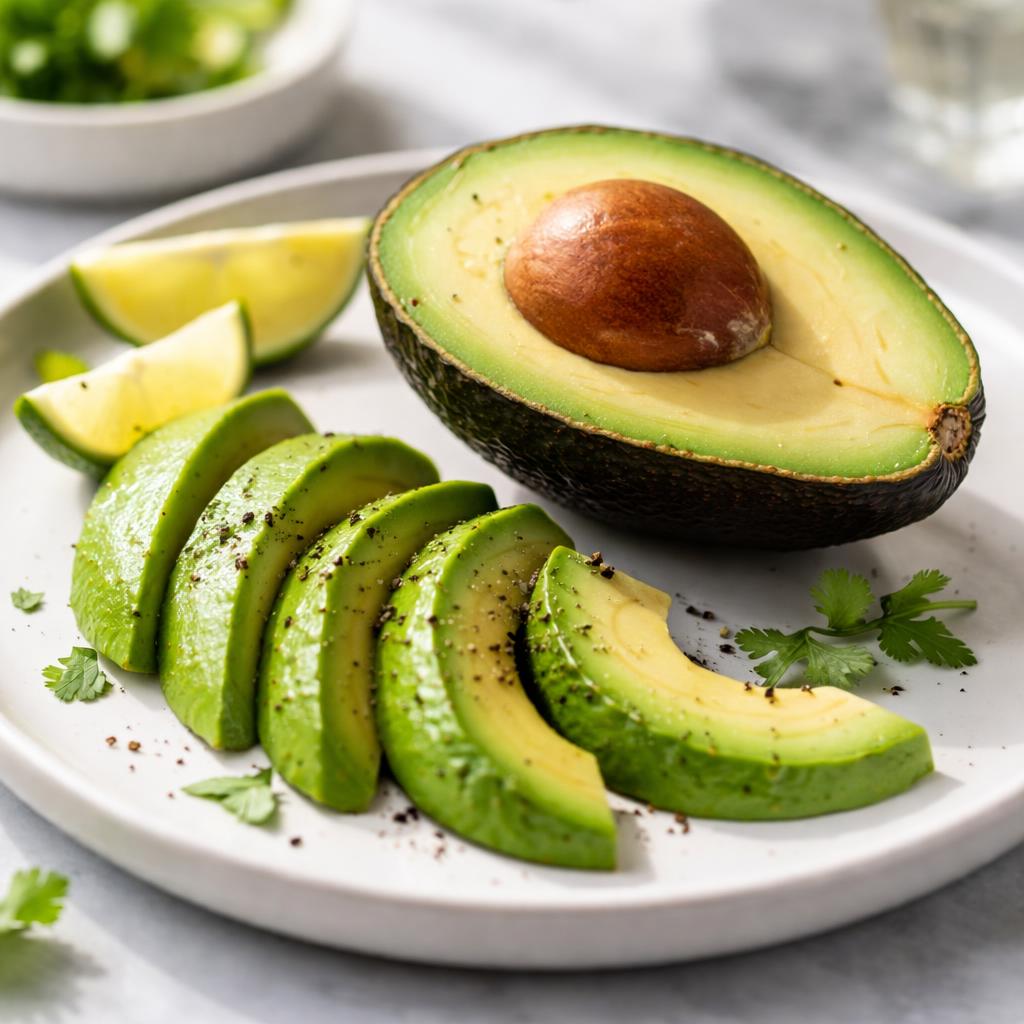
Avocado
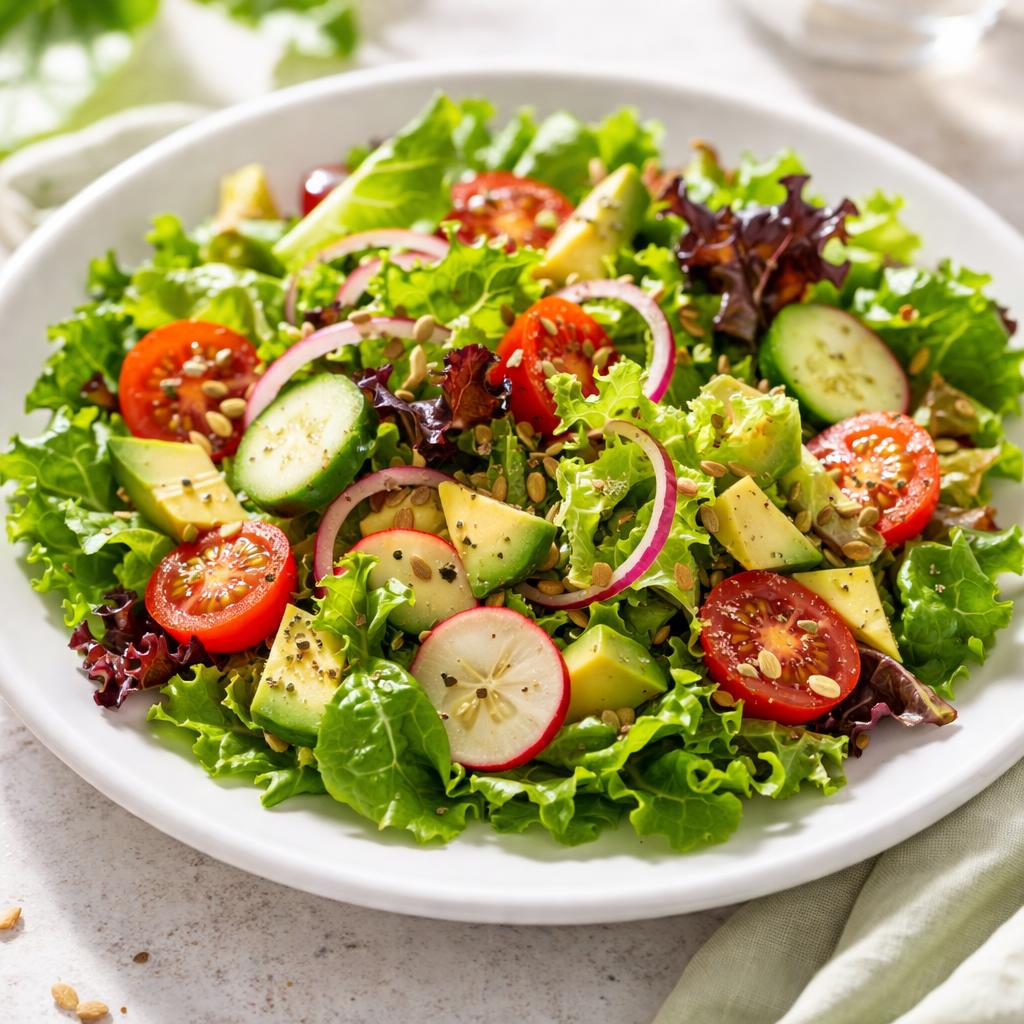
Lettuce Salad
🎯 Quick Verdict
Avocado is nutrient-dense with higher amounts of protein, fiber, healthy fats, and key vitamins, making it excellent for weight maintenance and overall health. Lettuce salad is very low in calories and carbs, making it ideal for weight loss and as a base for light meals but less nutrient-dense overall. Avocado is better for those seeking energy and nutrients, while lettuce is best for calorie-conscious diets.

Smart Nutrition Tracking with SnapCalorie

📊 Nutritional Comparison
Macronutrients
| Nutrient | Food 1 | Food 2 | Winner |
|---|---|---|---|
| Calories | 160 | 15 | ✓ |
| Protein | 2g | 0.5g | ✓ |
| Carbs | 9g | 3g | ✓ |
| Fat | 15g | 0g | ✓ |
| Fiber | 7g | 1g | ✓ |
Vitamins & Minerals
| Nutrient | Food 1 | Food 2 | Winner |
|---|---|---|---|
| Vitamin K | 21mcg | 24mcg | ✓ |
| Vitamin E | 2mg | 0.1mg | ✓ |
| Vitamin C | 10mg | 4mg | ✓ |
| Potassium | 485mg | 194mg | ✓ |
🏆 Category Winners
Protein
Avocado contains 4 times more protein than lettuce salad (2g vs 0.5g).
Fiber
Avocado provides 7g of fiber vs lettuce salad’s 1g.
Calories
Lettuce salad has only 15 calories per serving compared to 160 calories in avocado.
Vitamins
Avocado wins overall for vitamin content due to higher Vitamin E, C, and potassium levels.
🥗 Diet Compatibility
Keto
Food 1: Compatible
Food 2: Compatible
Both foods are keto-friendly, with lettuce being low in carbs and avocado providing healthy fats.
Vegan
Food 1: Compatible
Food 2: Compatible
Both are plant-based and suitable for vegan diets.
Gluten Free
Food 1: Compatible
Food 2: Compatible
Neither contains gluten.
Paleo
Food 1: Compatible
Food 2: Compatible
Both foods align with the paleo diet principles.
Low-Carb
Food 1: Compatible
Food 2: Compatible
Avocado is low in net carbs, and lettuce has minimal carbohydrates.
💪 Health Benefits Comparison
Food 1 Benefits
- Rich in healthy monounsaturated fats, supporting heart health and cholesterol regulation.
- High in fiber for improved digestion and satiety.
- Great source of potassium for electrolyte balance and muscle function.
- Contains antioxidants like Vitamin E for skin health and reducing inflammation.
Food 2 Benefits
- Extremely low in calories, supporting weight loss and low-calorie diets.
- Contains Vitamin K to promote bone and blood health.
- Hydrating and refreshing due to high water content (~90%).
- Provides small amounts of Vitamin A for vision health.
✅ The Bottom Line
Avocado is ideal for individuals seeking nutrient-dense, high-energy foods that are versatile and promote satiety. Lettuce salad is perfect for calorie-conscious meals or as a base for adding other toppings. Both have unique benefits, with avocado being better suited for nutritional density and lettuce salad for weight loss and hydration.
Choose Food 1 for: Weight maintenance, heart health, high-fiber diets, nutrient boosting dishes.
Choose Food 2 for: Low-calorie diets, refreshing hydration, and as a base for healthy salads.


