Avocado VS Grilled Tomato
A detailed nutritional comparison
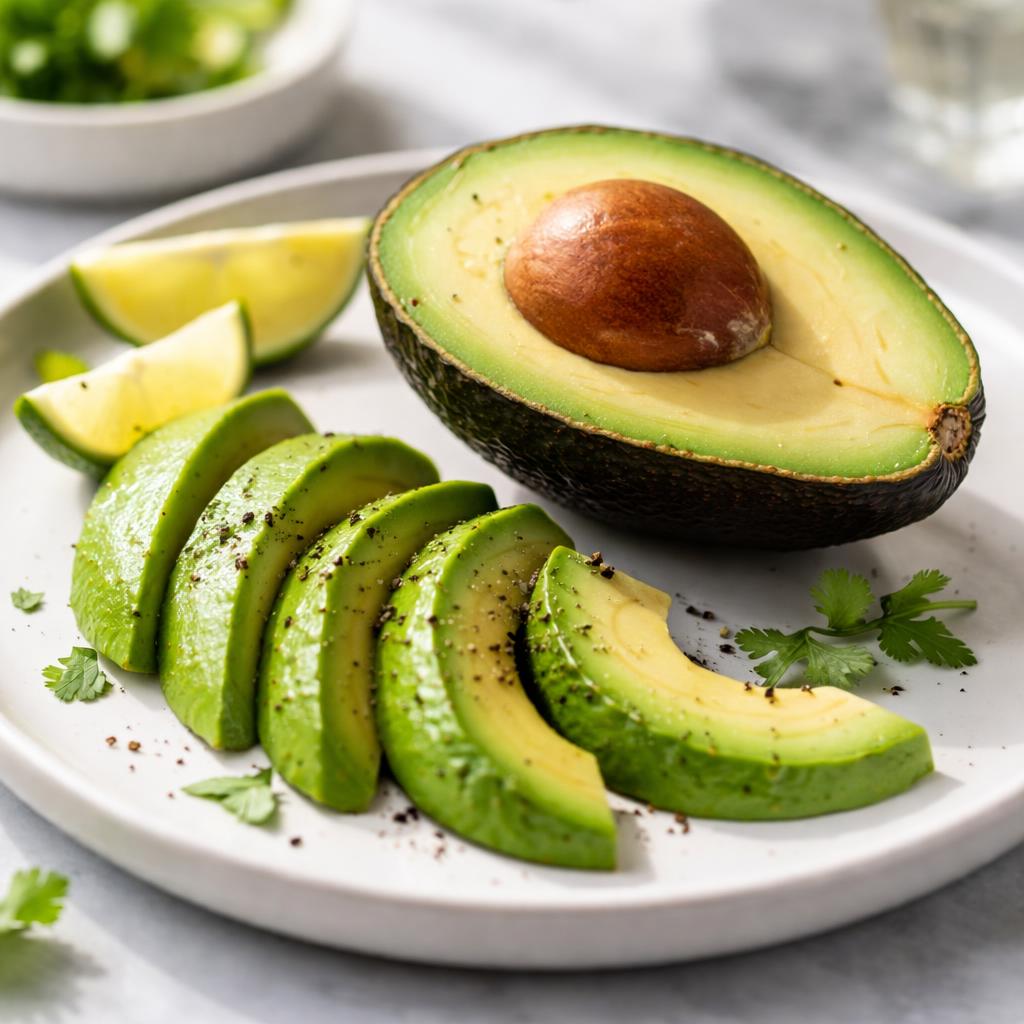
Avocado
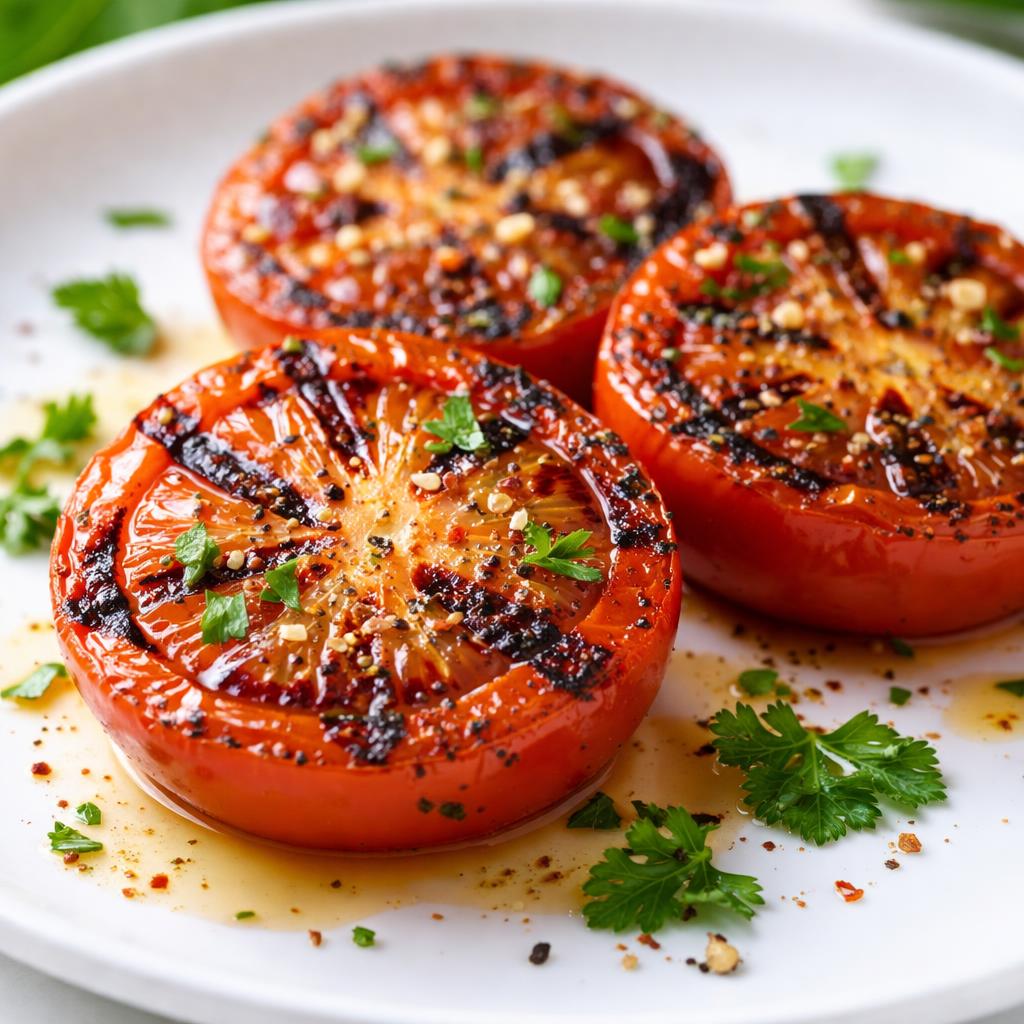
Grilled Tomato
🎯 Quick Verdict
Avocado and grilled tomato both offer unique nutritional benefits. Avocado is higher in healthy fats and fiber, making it ideal for satiety and heart health, while grilled tomatoes are lower in calories and rich in antioxidants, such as lycopene. Choose avocado for energy-dense meals and tomatoes for light, nutrient-packed side dishes or snacks.

Smart Nutrition Tracking with SnapCalorie

📊 Nutritional Comparison
Macronutrients
| Nutrient | Food 1 | Food 2 | Winner |
|---|---|---|---|
| Calories | 160 | 35 | ✓ |
| Protein | 2g | 2g | − |
| Carbs | 9g | 7g | ✓ |
| Fat | 15g | 0.5g | ✓ |
| Fiber | 7g | 1g | ✓ |
Vitamins & Minerals
| Nutrient | Food 1 | Food 2 | Winner |
|---|---|---|---|
| Vitamin D | 0mcg | 0mcg | − |
| Vitamin C | 10mg | 13.7mg | ✓ |
| Vitamin A | 146IU | 1025IU | ✓ |
| Potassium | 485mg | 237mg | ✓ |
🏆 Category Winners
Protein
Both foods contain 2g of protein per serving.
Fiber
Avocado contains 7g of fiber, making it far superior for digestive health.
Calories
Grilled tomato has only 35 calories compared to 160 in avocado.
Vitamins
Grilled tomato is richer in vitamin C and A, supporting vision and immunity.
🥗 Diet Compatibility
Keto
Food 1: Compatible
Food 2: Compatible
Both are low in carbs and high in nutrients.
Vegan
Food 1: Compatible
Food 2: Compatible
Both foods are plant-based.
Gluten Free
Food 1: Compatible
Food 2: Compatible
Neither contains gluten.
Paleo
Food 1: Compatible
Food 2: Compatible
Both fit paleo guidelines as whole, unprocessed plant foods.
Low-Carb
Food 1: Compatible
Food 2: Conditionally Compatible
Avocado is lower in net carbs; tomatoes should be consumed in moderation.
💪 Health Benefits Comparison
Food 1 Benefits
- Rich in healthy monounsaturated fats for heart health
- High fiber content improves digestion and satiety
- Contains potassium, which helps regulate blood pressure
- Provides antioxidants like lutein for eye health
Food 2 Benefits
- Low in calories, ideal for weight management
- Rich in lycopene, an antioxidant supporting heart health and cancer prevention
- Provides vitamin A for vision health
- Good source of vitamin C for immune support and skin health
✅ The Bottom Line
Avocado is great for energy-dense meals, improving satiety, and heart health due to its fats and fiber, while grilled tomatoes are better when seeking a low-calorie, nutrient-dense option high in vitamins and antioxidants. These foods complement each other well in a balanced diet.
Choose Food 1 for: Heart health, sustained energy, high-fiber meals
Choose Food 2 for: Low-calorie diets, antioxidant support, weight management


