Avocado VS Greek Salad
A detailed nutritional comparison
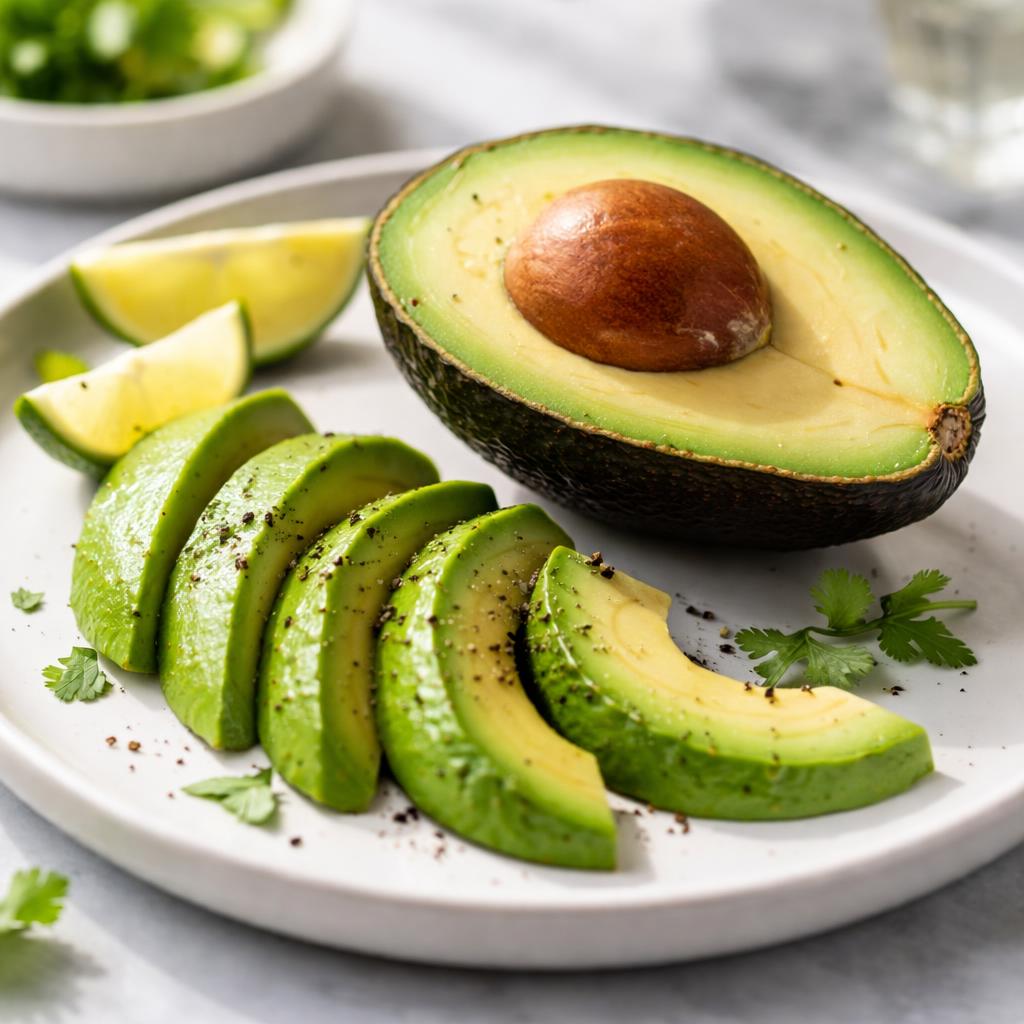
Avocado
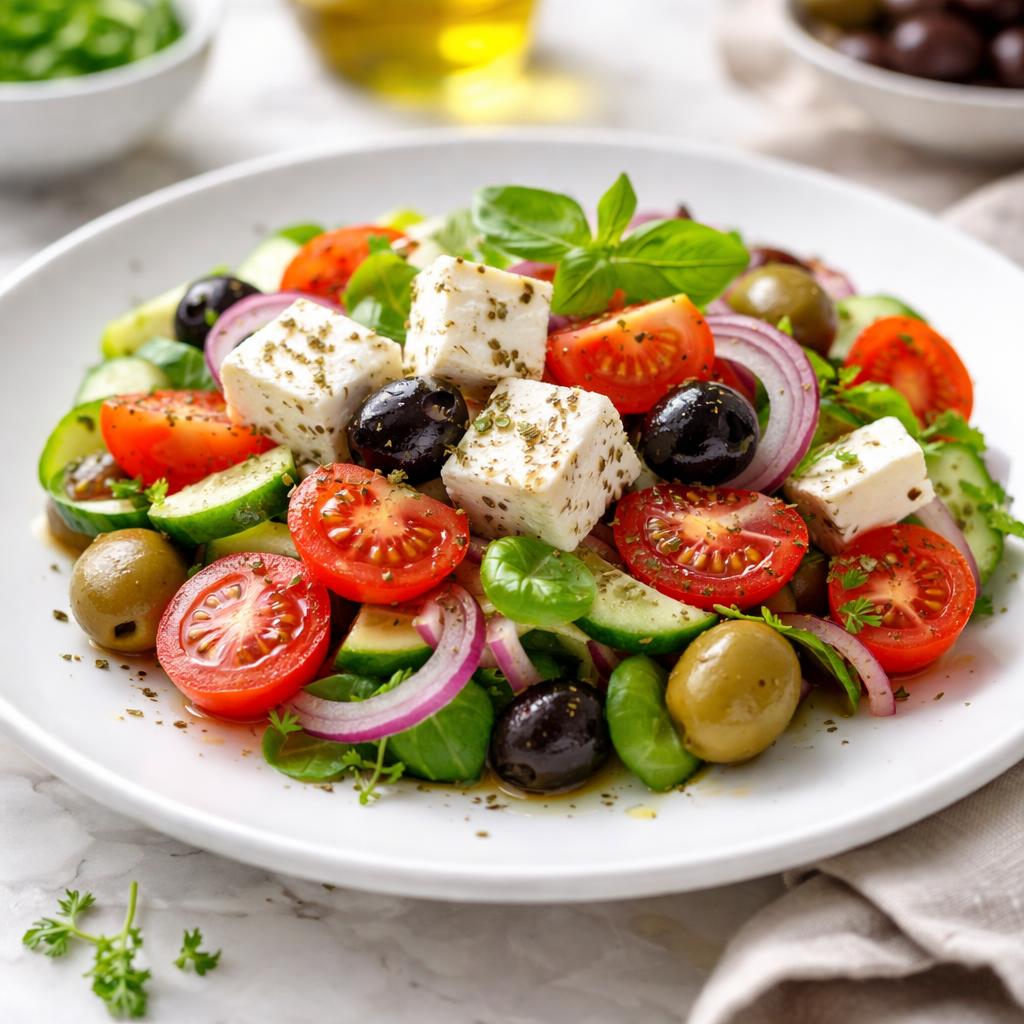
Greek Salad
🎯 Quick Verdict
Avocado offers healthy fats and higher fiber levels for digestion, while Greek salad shines with its protein from feta cheese and fewer calories overall. Both provide valuable vitamins and are suitable for various diets, but fit best into different dietary goals depending on priorities like weight loss or nutrient density.

Smart Nutrition Tracking with SnapCalorie

📊 Nutritional Comparison
Macronutrients
| Nutrient | Food 1 | Food 2 | Winner |
|---|---|---|---|
| Calories | 240 (per 100g) | 120 (per serving) | ✓ |
| Protein | 3g | 5g | ✓ |
| Carbs | 12g | 8g | ✓ |
| Fat | 22g | 6g | ✓ |
| Fiber | 7g | 2g | ✓ |
Vitamins & Minerals
| Nutrient | Food 1 | Food 2 | Winner |
|---|---|---|---|
| Vitamin C | 10mg | 8mg | ✓ |
| Vitamin K | 21mcg | 24mcg | ✓ |
| Potassium | 485mg | 220mg | ✓ |
| Calcium | 10mg | 100mg | ✓ |
🏆 Category Winners
Protein
Greek salad has 66% more protein due to feta cheese.
Fiber
Avocado contains over 3 times more fiber, supporting digestion.
Calories
Greek salad is lower in calories, making it a better choice for weight-conscious diets.
Vitamins
Both provide important vitamins, with avocado being higher in potassium and Greek salad offering more calcium.
🥗 Diet Compatibility
Keto
Food 1: Compatible
Food 2: Compatible
Both are low in carbs and high in healthy fats or protein.
Vegan
Food 1: Compatible
Food 2: Not Compatible
Greek salad contains feta cheese which is animal-derived.
Gluten Free
Food 1: Compatible
Food 2: Compatible
Neither contains gluten.
Paleo
Food 1: Compatible
Food 2: Compatible
Both are whole, unprocessed foods that fit into paleo diets.
Low Carb
Food 1: Compatible
Food 2: Compatible
Both foods have manageable carb levels suitable for low-carb diets.
💪 Health Benefits Comparison
Food 1 Benefits
- Rich in healthy monounsaturated fats for heart health
- Excellent source of fiber for improved digestion
- High potassium levels for better muscle and nerve function
- Provides Vitamin C for immune support
Food 2 Benefits
- High protein to support muscle maintenance
- Good source of calcium for strong bones
- Contains antioxidants from vegetables like tomatoes and cucumbers
- Low-calorie option for weight-conscious individuals
✅ The Bottom Line
Avocado is a great choice for healthy fats and digestion, whereas Greek salad excels in protein and lower calorie content, making it versatile for a light meal or active lifestyle. Choose avocado for its fiber and nutrients or Greek salad for its protein and weight-management benefits.
Choose Food 1 for: Heart health, digestive support, nutrient boosting
Choose Food 2 for: Weight loss, protein needs, bone health


